India to Restore UPI Merchant Fees, PhonePe Gains Most
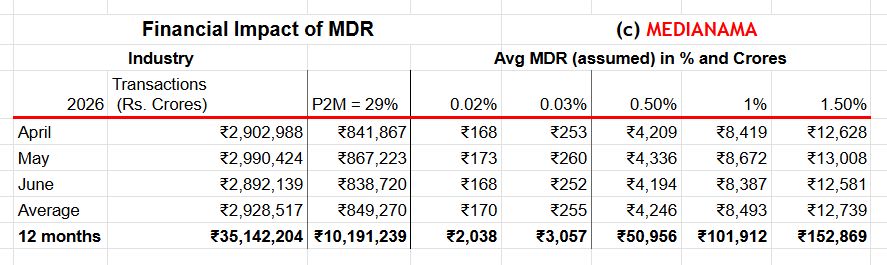
India's government plans to amend the Payment and Settlement Systems Act to restore UPI merchant discount rates, ending the zero-MDR regime in place since January 2020.
Key Takeaways
May 2, 2026 · 2 min read · By Rishabh Bhardwaj
·
AI-assisted, human-reviewed · Our editorial standards

Senior citizens turned out in notable numbers to cast their votes in Tamil Nadu's 2026 state election, despite the heat, signalling strong civic participation among older voters in the state.
High voter turnout among the elderly is often seen as a marker of broader public engagement with an election. When older voters, who may face physical challenges and weather-related discomfort, still make the effort to reach polling booths, it tends to reflect both motivation and organized community support structures at the ground level.
Tamil Nadu's 2026 assembly election is a closely watched contest. Senior citizen turnout, particularly when it cuts across urban and rural constituencies, can influence results in seats where margins are thin. Older voters as a group tend to have consistent voting patterns and are often courted actively by political parties through targeted welfare promises, including health schemes, pension guarantees, and transport access to polling booths.
The heat factor is not trivial. Summer elections in Tamil Nadu have historically posed a logistical challenge, with temperatures making the physical act of standing in queues difficult for elderly and differently-abled voters. That seniors stepped out despite this points to either strong political motivation, effective mobilization by party workers, or both.
Final voter turnout figures, once officially released by the Election Commission of India, will clarify whether this senior citizen participation translated into an overall high-turnout election or was concentrated in specific districts. The demographic breakdown of votes will also matter when results are counted, as parties that invested in elder-focused outreach will be watching closely to see if that effort paid off.
More specific data on turnout percentages, district-wise participation, and any official facilitation measures for elderly voters was not available in the source report.
India's government plans to amend the Payment and Settlement Systems Act to restore UPI merchant discount rates, ending the zero-MDR regime in place since January 2020.
India's government has introduced the Taxation and Other Laws (Amendment) Bill, 2026, proposing changes to payments regulation, income tax, and the Finance Act to attract FDI and support Make in India. The Bill's final shape will depend on parliamentary debate and committee review.
The government's Taxation and Other Laws (Amendment) Bill, 2026, proposes to replace the blanket UPI MDR ban with a system allowing the Centre to notify which payment modes stay fee-free.
Prime Minister Narendra Modi inaugurated the Rs 5,000 crore Bhogapuram greenfield airport in Andhra Pradesh, built under a public-private partnership model. He also laid foundation stones for infrastructure projects worth nearly Rs 18,000 crore in the state, signalling a broad investment push for the region.