India to Restore UPI Merchant Fees, PhonePe Gains Most
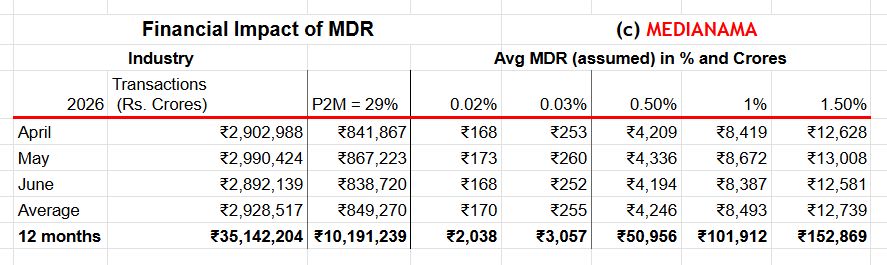
India's government plans to amend the Payment and Settlement Systems Act to restore UPI merchant discount rates, ending the zero-MDR regime in place since January 2020.
Key Takeaways
May 4, 2026 · 2 min read · By Rishabh Bhardwaj
·
AI-assisted, human-reviewed · Our editorial standards
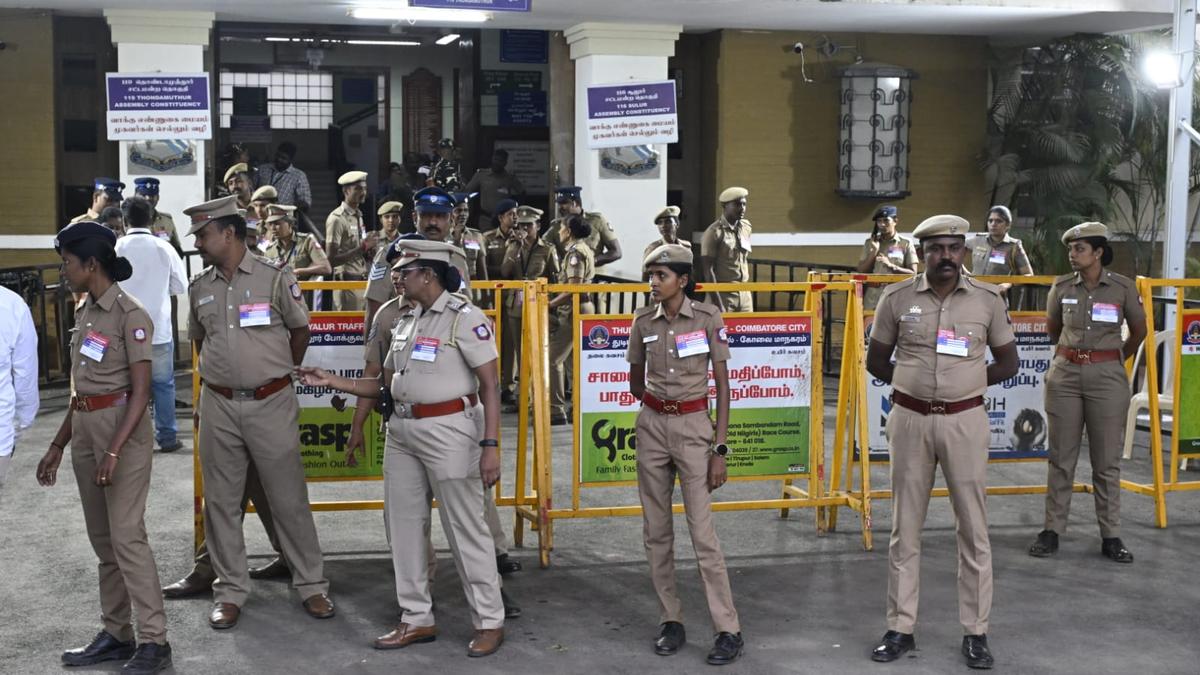
Tamil Nadu is counting votes today for its 2026 Assembly election, with two questions dominating the result: whether the DMK can win back-to-back terms, and how strongly Vijay's Tamilaga Vettri Kazhagam (TVK) performs in its first-ever election.
Most exit polls favored the DMK-led alliance, projecting it ahead of the AIADMK and other opposition groups. The ruling party, led by Chief Minister M.K. Stalin, is seeking a rare second consecutive term, something Tamil Nadu's volatile electorate has historically been reluctant to grant any party.
The bigger wildcard is TVK, the party launched by actor-turned-politician Vijay. While most pollsters gave it a modest showing, Axis My India projected a striking 98 to 120 seats for TVK, a range that, if accurate, would make it a serious force in the Assembly and potentially reshape the state's two-party dynamic that has alternated between DMK and AIADMK for decades.
A result anywhere near that projection would signal that Vijay's celebrity pull has translated into genuine voter support, not just enthusiasm. A much lower seat count, by contrast, would suggest TVK remains a work in progress despite the hype around its entry.
Tamil Nadu has 234 Assembly seats, so a majority requires 118. The DMK won a strong majority in 2021 with 133 seats. The question is whether anti-incumbency, rising competition from TVK, and alliance arithmetic have dented that base enough to matter.
For the AIADMK, a poor showing would deepen questions about its leadership and relevance after its split with the BJP ahead of this election. For TVK, the seat tally will set the tone for how seriously national parties and investors in Tamil Nadu's political future treat Vijay going forward.
Watch for early leads from urban constituencies in Chennai and Coimbatore, which tend to report faster and often signal broader trends. The final picture will take most of the day to emerge given the state's size and voter turnout levels.
India's government plans to amend the Payment and Settlement Systems Act to restore UPI merchant discount rates, ending the zero-MDR regime in place since January 2020.
India's government has introduced the Taxation and Other Laws (Amendment) Bill, 2026, proposing changes to payments regulation, income tax, and the Finance Act to attract FDI and support Make in India. The Bill's final shape will depend on parliamentary debate and committee review.
The government's Taxation and Other Laws (Amendment) Bill, 2026, proposes to replace the blanket UPI MDR ban with a system allowing the Centre to notify which payment modes stay fee-free.
Prime Minister Narendra Modi inaugurated the Rs 5,000 crore Bhogapuram greenfield airport in Andhra Pradesh, built under a public-private partnership model. He also laid foundation stones for infrastructure projects worth nearly Rs 18,000 crore in the state, signalling a broad investment push for the region.