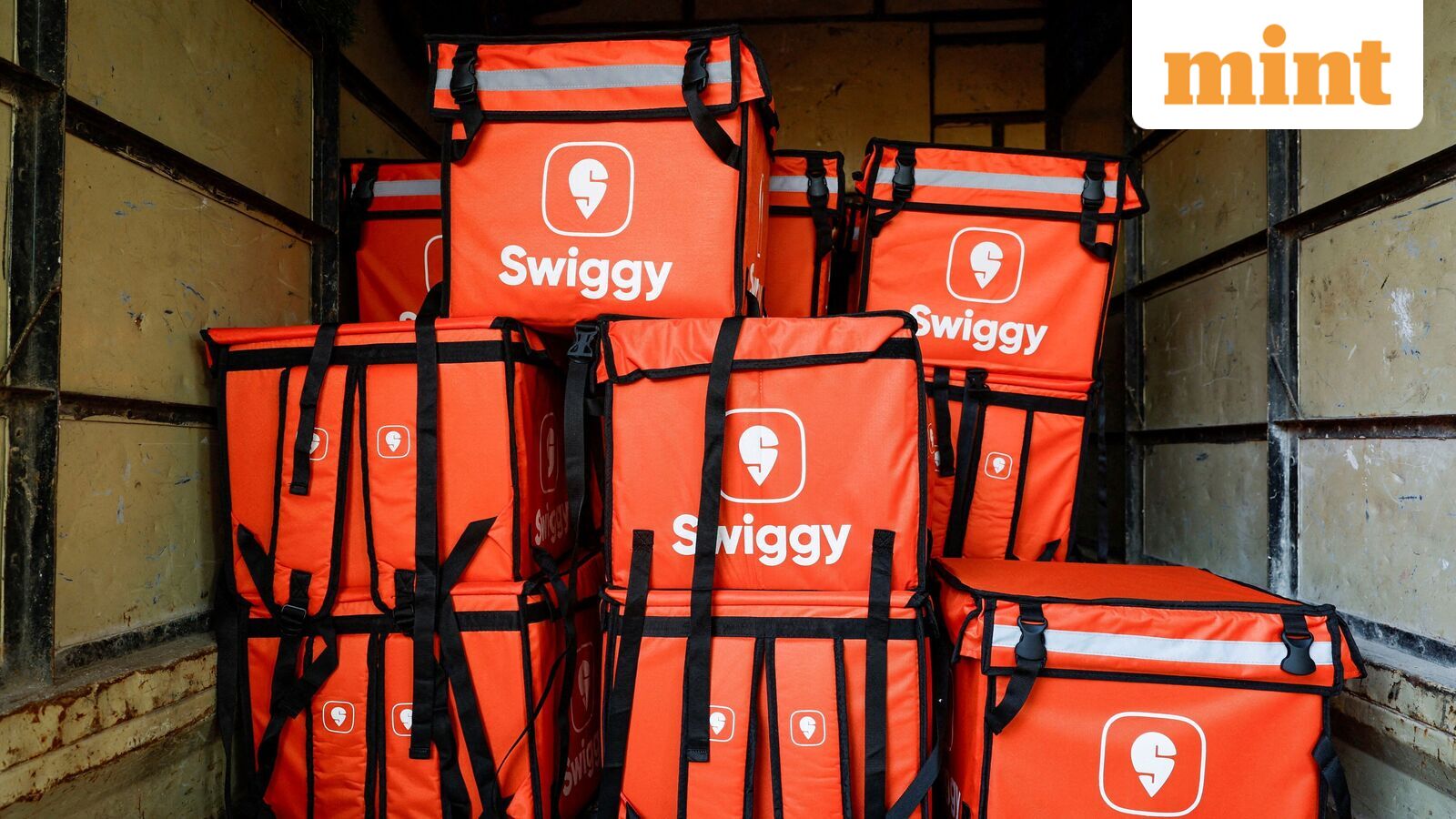
Swiggy's stock fell more than 7% on July 24, 2026, touching levels close to its all-time low, after the food delivery company proposed limiting foreign ownership to 49.5% of its total shares.
The trigger is a proposed cap on foreign shareholding. If approved, this change would restrict how much of the company overseas investors can collectively hold. Right now, many global index providers include Indian stocks only when foreign investors can freely buy and sell them. A hard cap at 49.5% raises the possibility that Swiggy could breach that threshold, or be seen as at risk of doing so, which in turn could force index providers to reduce or remove Swiggy from benchmarks like the MSCI or FTSE indices.
Why Passive Funds Matter Here
Passive funds, which automatically track an index without human stock-picking, must sell a stock if it gets removed from their benchmark. They have no discretion. If Swiggy is cut from a major global index, every fund tracking that index would be required to offload its holdings, regardless of the company's business outlook. That kind of forced, rule-driven selling can push prices down sharply and quickly, which is part of what markets are pricing in today.
Even the threat of removal, before any formal decision by an index provider, is enough to prompt pre-emptive selling by active fund managers who want to avoid being caught holding a stock in freefall. That explains why the stock moved so sharply on news of the proposal alone.
The foreign ownership cap proposal also signals a shift in how Swiggy's board is thinking about its investor base. Capping foreign ownership typically reflects a desire to give domestic investors a larger stake, or to comply with sector-specific rules. But the short-term cost is real: global institutional money, which tends to be large and sticky, may look for the exit if its ability to hold the stock freely is constrained.
A Stock Already Under Pressure
Today's drop compounds a difficult run. Swiggy's stock has lost 41% over the past year, making it one of the weaker performers among listed Indian consumer-tech companies. The record low is now visibly close, and a further drop could set a new one.
The business itself operates in a competitive market. Swiggy competes directly with Zomato in food delivery and has been expanding into quick commerce, a segment that requires heavy investment before it generates returns. Investor patience for that kind of spending cycle has been limited across the sector globally, and Swiggy's declining stock price reflects ongoing uncertainty about when profitability will arrive at scale.
The foreign ownership cap proposal adds a structural layer on top of those operational concerns. It is not just about near-term earnings or quarterly performance. It changes who can own the stock and in what quantity, which affects liquidity, the size of the investor base, and how global funds classify the stock in their portfolios.
What to watch next: whether Swiggy formally adopts the foreign ownership cap and how index providers respond. If MSCI or FTSE flag a review, that would likely trigger another round of selling pressure. If the company modifies or withdraws the proposal, some of today's losses could reverse. Domestic investors and mutual funds may also step in as buyers if foreign outflows create a price gap, but that depends on confidence in the company's path to profitability remaining intact.