India to Restore UPI Merchant Fees, PhonePe Gains Most
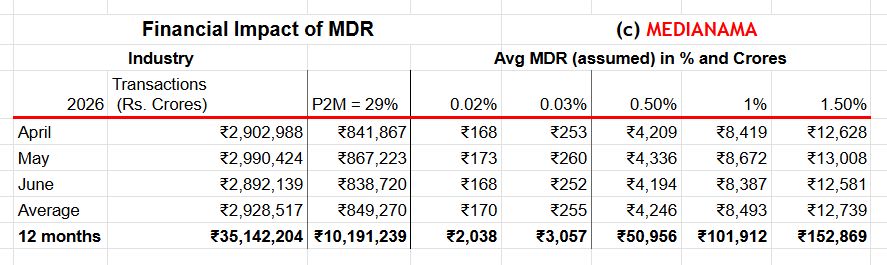
India's government plans to amend the Payment and Settlement Systems Act to restore UPI merchant discount rates, ending the zero-MDR regime in place since January 2020.
Key Takeaways
May 8, 2026 · 2 min read · By Rishabh Bhardwaj
·
AI-assisted, human-reviewed · Our editorial standards
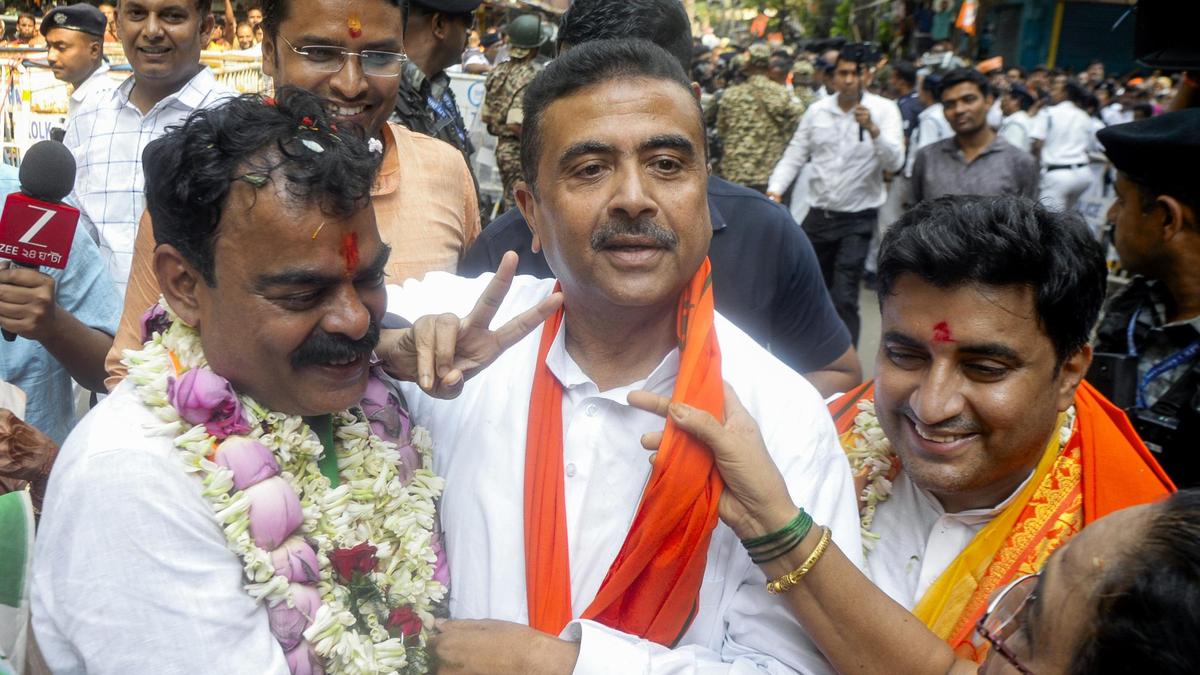
Suvendu Adhikari is set to become West Bengal's first BJP Chief Minister, after meeting Governor R.N. Ravi at Kolkata's Lok Bhavan to formally stake claim to form the government. His swearing-in is scheduled at Brigade Parade Grounds in Kolkata on Saturday.
West Bengal has been governed by the Trinamool Congress under Mamata Banerjee for over a decade, and before that by the Left Front for 34 years. A BJP government in the state would mark the most significant political realignment in Bengal in nearly four decades.
Adhikari himself is a former Trinamool Congress leader who defected to the BJP. His rise to the top post underlines how dramatically the state's political landscape has shifted, with the BJP converting years of organisational effort in Bengal into a majority government.
The oath ceremony at Brigade Parade Grounds is symbolically significant, the venue has historically been used for large political rallies by Left and Trinamool governments alike. A BJP swearing-in there would signal the party's intent to project strength and legitimacy in a state where it was a marginal force not long ago.
The immediate focus will be on cabinet composition, which will signal how the BJP plans to govern a state with a complex social fabric, a strong opposition tradition, and ongoing law-and-order concerns that featured heavily in the election campaign. Central government relations and fund flows to Bengal, long a point of friction under Mamata Banerjee's administration, are also likely to shift with a BJP state government now aligned with New Delhi.
For markets and business, a change in Bengal's government could reopen conversations about investment climate in the state, which has lagged behind peers in attracting large industrial projects. Whether the new administration moves quickly on economic priorities will be a key early signal of its governance agenda.
India's government plans to amend the Payment and Settlement Systems Act to restore UPI merchant discount rates, ending the zero-MDR regime in place since January 2020.
India's government has introduced the Taxation and Other Laws (Amendment) Bill, 2026, proposing changes to payments regulation, income tax, and the Finance Act to attract FDI and support Make in India. The Bill's final shape will depend on parliamentary debate and committee review.
The government's Taxation and Other Laws (Amendment) Bill, 2026, proposes to replace the blanket UPI MDR ban with a system allowing the Centre to notify which payment modes stay fee-free.
Prime Minister Narendra Modi inaugurated the Rs 5,000 crore Bhogapuram greenfield airport in Andhra Pradesh, built under a public-private partnership model. He also laid foundation stones for infrastructure projects worth nearly Rs 18,000 crore in the state, signalling a broad investment push for the region.