India to Restore UPI Merchant Fees, PhonePe Gains Most
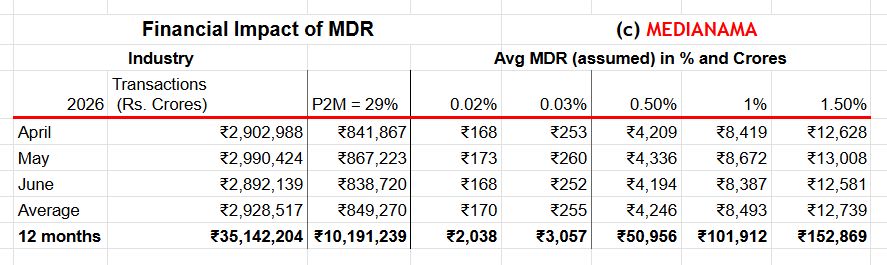
India's government plans to amend the Payment and Settlement Systems Act to restore UPI merchant discount rates, ending the zero-MDR regime in place since January 2020.
Key Takeaways
June 29, 2026 · 3 min read · By Rishabh Bhardwaj
·
AI-assisted, human-reviewed · Our editorial standards
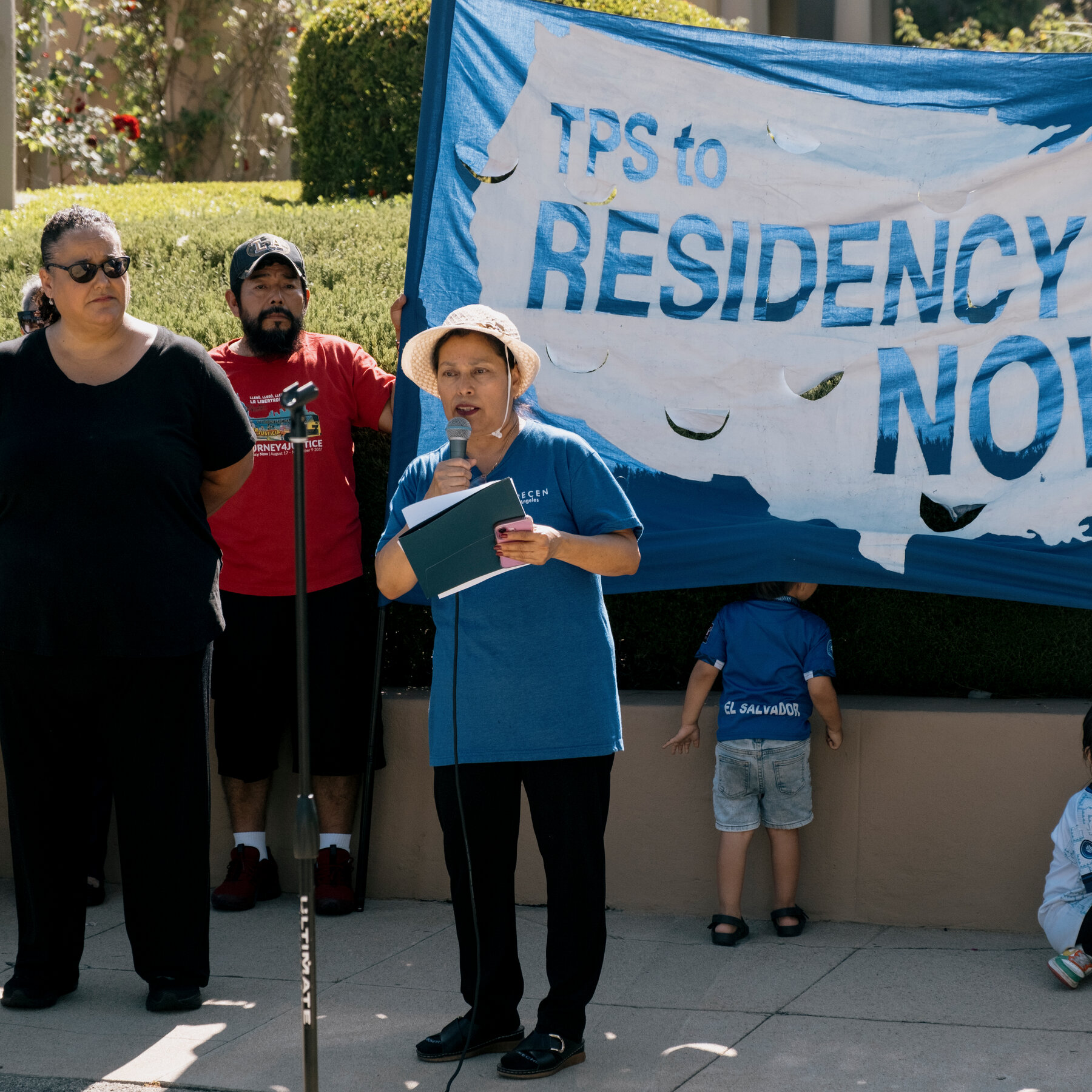
The U.S. Supreme Court has ruled against Temporary Protected Status (TPS) for Haitian migrants, a decision that strips deportation protection from roughly 1.3 million people across more than a dozen countries, many of whom have lived in the United States for years or decades.
TPS is a federal humanitarian designation that allows nationals from countries hit by war, natural disasters, or other extraordinary conditions to live and work legally in the U.S. without fear of removal. It is not a path to permanent residency, but it provides a renewable legal shield that many families have relied on for extended periods.
The Supreme Court's ruling, centered on a case involving Haitian TPS holders, effectively narrows the legal basis on which the government must grant or maintain TPS protections. By ruling against the Haitian applicants, the Court has set a precedent that leaves TPS holders from all covered nationalities, not just Haitians, exposed to renewed deportation risk.
The 1.3 million people now in legal limbo come from more than a dozen countries currently on the TPS list, which has historically included nations such as El Salvador, Honduras, Venezuela, Nepal, Syria, and Yemen, alongside Haiti. Many of these individuals have U.S.-born children, established businesses, and deep community ties built over years of continuous legal residence.
The immediate practical effect is uncertainty. People who held TPS and were abiding by its renewal requirements now face the prospect of losing work authorization and deportation proceedings if the government moves to act on the ruling. Employers who rely on TPS workers, particularly in construction, healthcare, and hospitality sectors, face potential workforce disruption.
The ruling also complicates the legal status of TPS holders who may have pending applications for other immigration benefits. Attorneys representing affected clients will need to assess each case individually, since TPS termination interacts differently with green card applications, asylum claims, and other relief categories.
The ruling does not automatically deport anyone overnight. The government must still initiate removal proceedings on a case-by-case basis, and immigration courts are already severely backlogged. However, it removes a key legal argument that TPS holders could use to resist deportation, making their position structurally weaker in any future enforcement action.
Congress retains the power to legislate a fix. Advocates and some lawmakers have long pushed for a bill that would create a path to permanent residency for long-term TPS holders, but no such legislation has cleared both chambers. The ruling increases pressure on Congress to act, though the current political environment makes swift passage uncertain.
For Haitian nationals specifically, the backdrop is severe. Haiti has faced compounding crises including political instability, gang violence, and the aftermath of natural disasters, conditions that originally qualified the country for TPS designation. Deportation to a country in active crisis raises serious humanitarian concerns that advocacy groups are expected to raise in continued legal and political challenges.
The decision is one of the most consequential immigration rulings in years. It redraws the line between temporary humanitarian protection and enforceable legal status, and it signals that long duration of residence under TPS does not, by itself, create a stronger legal claim to remain. For 1.3 million people, the path forward is now significantly narrower and less certain.
India's government plans to amend the Payment and Settlement Systems Act to restore UPI merchant discount rates, ending the zero-MDR regime in place since January 2020.
India's government has introduced the Taxation and Other Laws (Amendment) Bill, 2026, proposing changes to payments regulation, income tax, and the Finance Act to attract FDI and support Make in India. The Bill's final shape will depend on parliamentary debate and committee review.
The government's Taxation and Other Laws (Amendment) Bill, 2026, proposes to replace the blanket UPI MDR ban with a system allowing the Centre to notify which payment modes stay fee-free.
Prime Minister Narendra Modi inaugurated the Rs 5,000 crore Bhogapuram greenfield airport in Andhra Pradesh, built under a public-private partnership model. He also laid foundation stones for infrastructure projects worth nearly Rs 18,000 crore in the state, signalling a broad investment push for the region.