India to Restore UPI Merchant Fees, PhonePe Gains Most
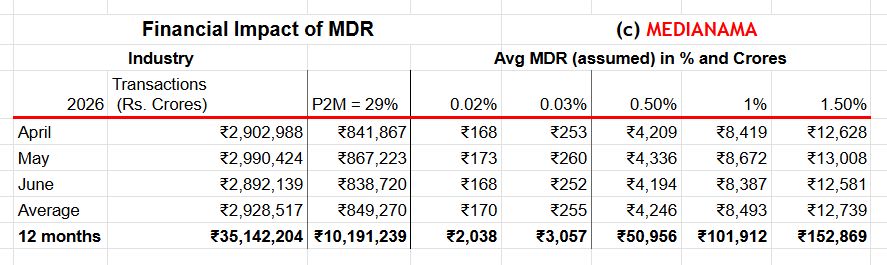
India's government plans to amend the Payment and Settlement Systems Act to restore UPI merchant discount rates, ending the zero-MDR regime in place since January 2020.
Key Takeaways
June 26, 2026 · 3 min read · By Rishabh Bhardwaj
·
AI-assisted, human-reviewed · Our editorial standards
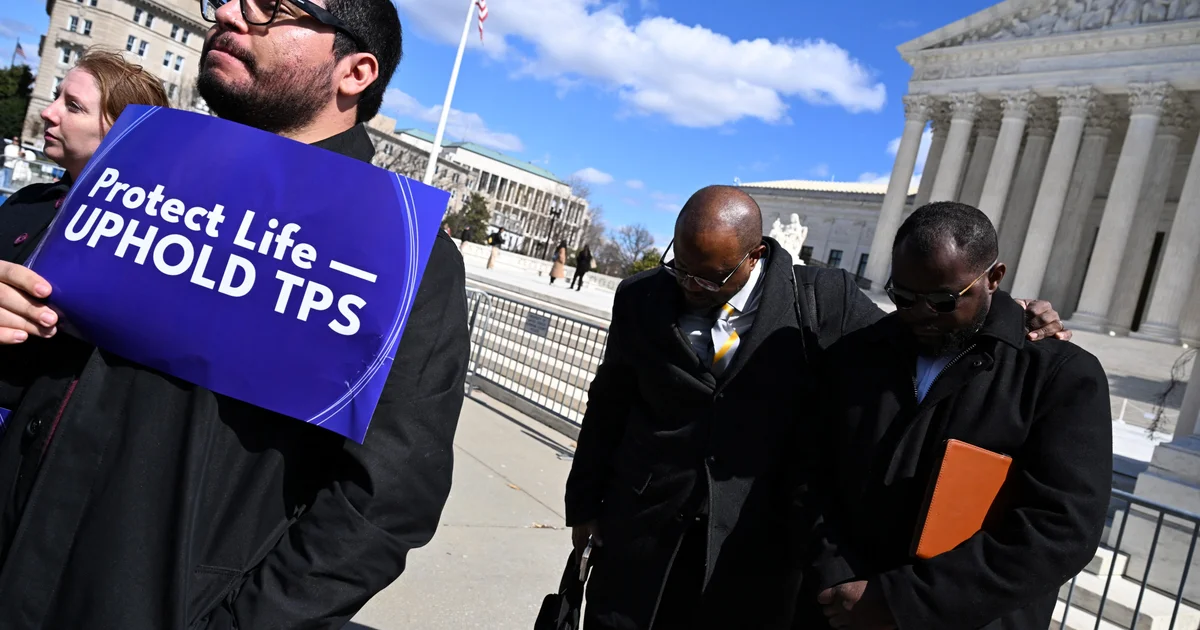
The U.S. Supreme Court has cleared the way for the Trump administration to end temporary deportation protections for more than 356,000 Syrian and Haitian immigrants, a ruling that puts hundreds of thousands of people at immediate risk of removal from the United States.
The decision allows the administration to proceed with terminating Temporary Protected Status, known as TPS, for the two groups. TPS is a federal designation that shields nationals of countries facing war, natural disaster, or other extraordinary conditions from deportation and allows them to work legally in the United States. It does not provide a path to permanent residency, but it has historically been renewed for years or even decades for qualifying countries.
Syria and Haiti both currently hold TPS designations based on severe ongoing conditions. Syria has been in a state of civil conflict and political upheaval for over a decade. Haiti has faced compounding crises including a catastrophic 2010 earthquake, political instability, and widespread gang violence. The Trump administration has argued that the conditions justifying TPS can be reconsidered and that the executive branch holds broad authority to revoke the designation.
For the roughly 356,000 people affected, losing TPS means losing both legal status and the right to work in the United States. Without another qualifying immigration status, they would face potential deportation to countries that the U.S. government itself had previously deemed too dangerous or unstable to return to. Many TPS holders have lived in the United States for years, hold jobs, pay taxes, and have U.S.-born children who are citizens.
The Supreme Court's decision does not itself end TPS for these groups. It removes a legal obstacle that had been blocking the administration from moving forward while court challenges worked through lower courts. Enforcement timelines and further legal proceedings will determine exactly when and how the terminations take effect. Affected individuals and advocacy groups can still pursue other legal avenues to delay or challenge individual removals.
The ruling fits within a wider pattern of the Trump administration's immigration enforcement push in 2026, which has targeted multiple legal pathways used by foreign nationals to remain in the country. TPS has been a recurring point of contention, with the administration seeking to narrow or eliminate designations that it argues were extended too broadly under prior administrations.
The legal question at the core of these cases has been how much discretion the executive branch holds over TPS designations, and whether courts can review decisions to terminate them. Thursday's Supreme Court action signals that the administration has broad room to act, at least for now, while litigation continues.
For businesses in industries like construction, hospitality, and healthcare that employ significant numbers of TPS holders, the ruling introduces real workforce uncertainty. Employers may face pressure to verify the status of workers who had previously been authorized under TPS, and sectors with concentrated TPS employment could face labor supply disruptions.
What to watch next: the specific timelines the administration sets for winding down TPS for Syrians and Haitians, any emergency injunctions sought in lower courts, and whether Congress moves to legislate a more permanent status for long-term TPS holders.
India's government plans to amend the Payment and Settlement Systems Act to restore UPI merchant discount rates, ending the zero-MDR regime in place since January 2020.
India's government has introduced the Taxation and Other Laws (Amendment) Bill, 2026, proposing changes to payments regulation, income tax, and the Finance Act to attract FDI and support Make in India. The Bill's final shape will depend on parliamentary debate and committee review.
The government's Taxation and Other Laws (Amendment) Bill, 2026, proposes to replace the blanket UPI MDR ban with a system allowing the Centre to notify which payment modes stay fee-free.
Prime Minister Narendra Modi inaugurated the Rs 5,000 crore Bhogapuram greenfield airport in Andhra Pradesh, built under a public-private partnership model. He also laid foundation stones for infrastructure projects worth nearly Rs 18,000 crore in the state, signalling a broad investment push for the region.