India to Restore UPI Merchant Fees, PhonePe Gains Most
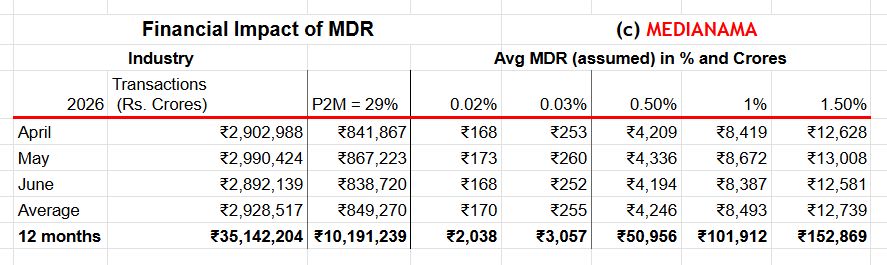
India's government plans to amend the Payment and Settlement Systems Act to restore UPI merchant discount rates, ending the zero-MDR regime in place since January 2020.
Key Takeaways
June 25, 2026 · 3 min read · By Rishabh Bhardwaj
·
AI-assisted, human-reviewed · Our editorial standards
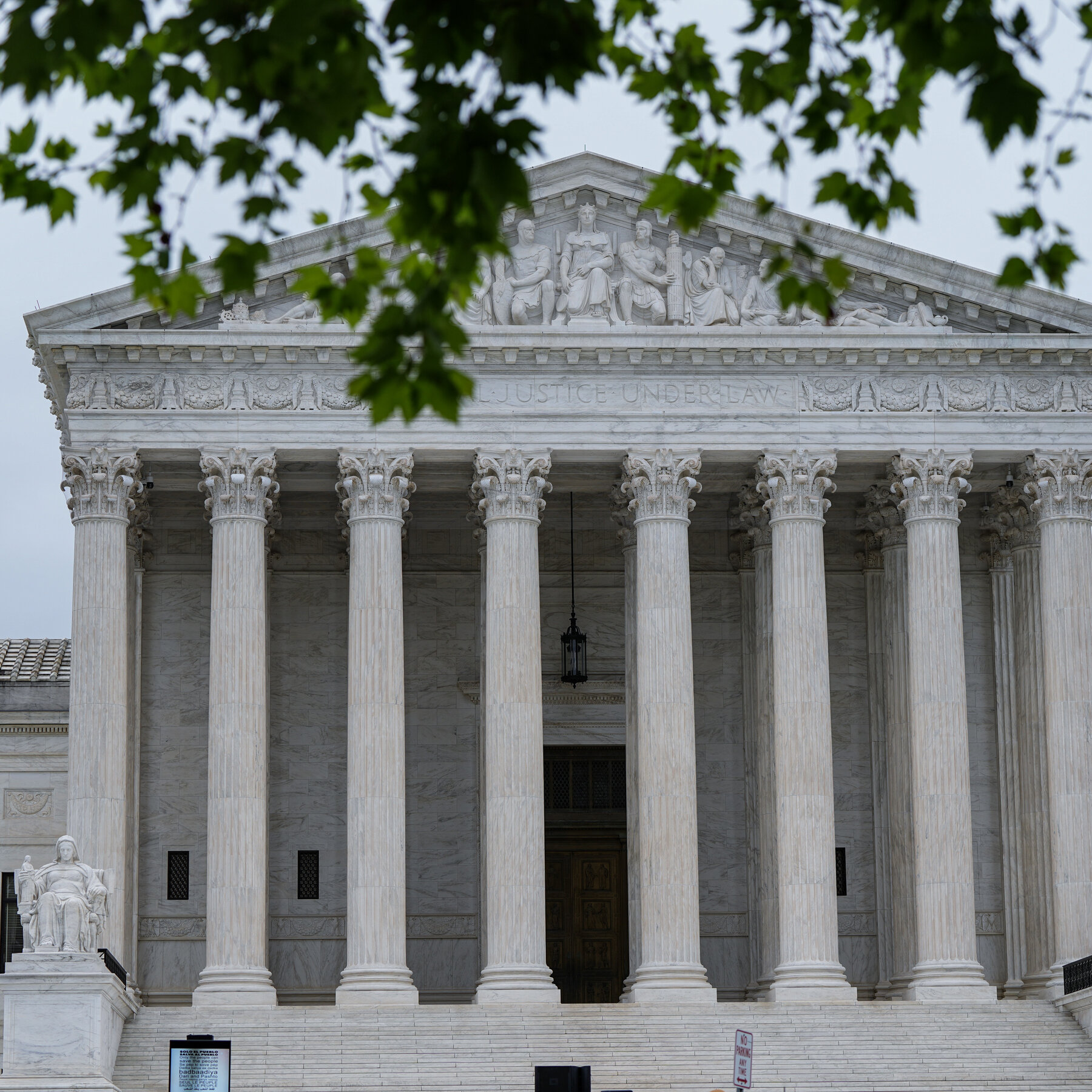
The U.S. Supreme Court has cleared the way for the Trump administration to end Temporary Protected Status (TPS) for hundreds of thousands of Haitian and Syrian nationals living in the United States, removing a legal shield that had allowed them to live and work in the country legally for years.
TPS is a federal designation that lets nationals from countries hit by war, natural disaster, or humanitarian crisis stay and work in the U.S. temporarily. It does not provide a path to permanent residency, but it does block deportation. The Trump administration moved to rescind TPS for both Haiti and Syria, arguing the original conditions that justified the protections no longer apply or that the designations had been extended beyond their intended scope.
The Supreme Court's decision allows the administration's terminations to take effect, lifting lower-court blocks that had kept the protections in place while legal challenges proceeded. The ruling does not settle the underlying cases permanently, but it is a significant procedural win for the administration because it means affected individuals lose their protected status while litigation continues, rather than keeping it while courts deliberate.
Haiti and Syria are among the countries with the largest TPS populations in the U.S. Haitian TPS holders number in the hundreds of thousands, a group that grew substantially after Haiti's 2010 earthquake and again after the 2021 assassination of President Jovenel Moise and a catastrophic earthquake that same year. Syrian TPS holders have been protected largely because of the country's prolonged civil war, which has displaced millions since 2011.
For those affected, the practical consequences are immediate and serious. Losing TPS means losing the legal right to remain in the U.S. and the work authorization that comes with it. Employers who currently hire TPS holders will need to verify new documentation or face compliance risk. Individuals without another immigration status face potential deportation to countries that remain deeply unstable.
Haiti is currently experiencing severe gang violence, a collapsed government infrastructure, and an acute humanitarian crisis. Syria, despite the fall of Bashar al-Assad's government, remains fragile and dangerous in many regions. Human rights groups and immigration advocates have argued that returning people to either country puts them at serious physical risk.
The decision adds to a broader pattern in 2026 of the Trump administration systematically dismantling humanitarian immigration protections, including earlier moves against TPS holders from Venezuela, El Salvador, and other nations. Each termination has followed a similar legal path: administrative rescission, court injunction, and now Supreme Court intervention allowing enforcement to proceed.
For businesses in sectors with high concentrations of TPS workers, including construction, hospitality, healthcare support, and agriculture, the ruling creates operational uncertainty. Losing a large block of legally authorized workers quickly can tighten already constrained labor markets in specific regions and industries.
The legal battles over TPS authority are not over. Courts will still decide whether the administration had the statutory power to rescind these designations and whether the process followed proper administrative law. But those rulings will now play out against a backdrop of people already having lost their status, which changes the political and legal stakes considerably.
Congress has the authority to create a permanent legislative fix for long-term TPS holders but has not passed comprehensive immigration reform in decades. Absent legislative action, the fate of these populations depends entirely on ongoing litigation and the administration's enforcement priorities.
India's government plans to amend the Payment and Settlement Systems Act to restore UPI merchant discount rates, ending the zero-MDR regime in place since January 2020.
India's government has introduced the Taxation and Other Laws (Amendment) Bill, 2026, proposing changes to payments regulation, income tax, and the Finance Act to attract FDI and support Make in India. The Bill's final shape will depend on parliamentary debate and committee review.
The government's Taxation and Other Laws (Amendment) Bill, 2026, proposes to replace the blanket UPI MDR ban with a system allowing the Centre to notify which payment modes stay fee-free.
Prime Minister Narendra Modi inaugurated the Rs 5,000 crore Bhogapuram greenfield airport in Andhra Pradesh, built under a public-private partnership model. He also laid foundation stones for infrastructure projects worth nearly Rs 18,000 crore in the state, signalling a broad investment push for the region.