India to Restore UPI Merchant Fees, PhonePe Gains Most
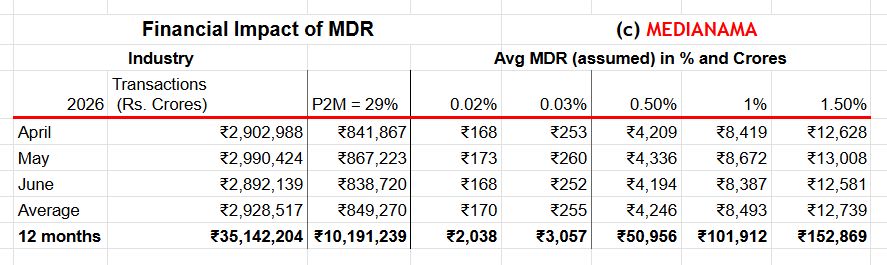
India's government plans to amend the Payment and Settlement Systems Act to restore UPI merchant discount rates, ending the zero-MDR regime in place since January 2020.
Key Takeaways
June 29, 2026 · 3 min read · By Rishabh Bhardwaj
·
AI-assisted, human-reviewed · Our editorial standards
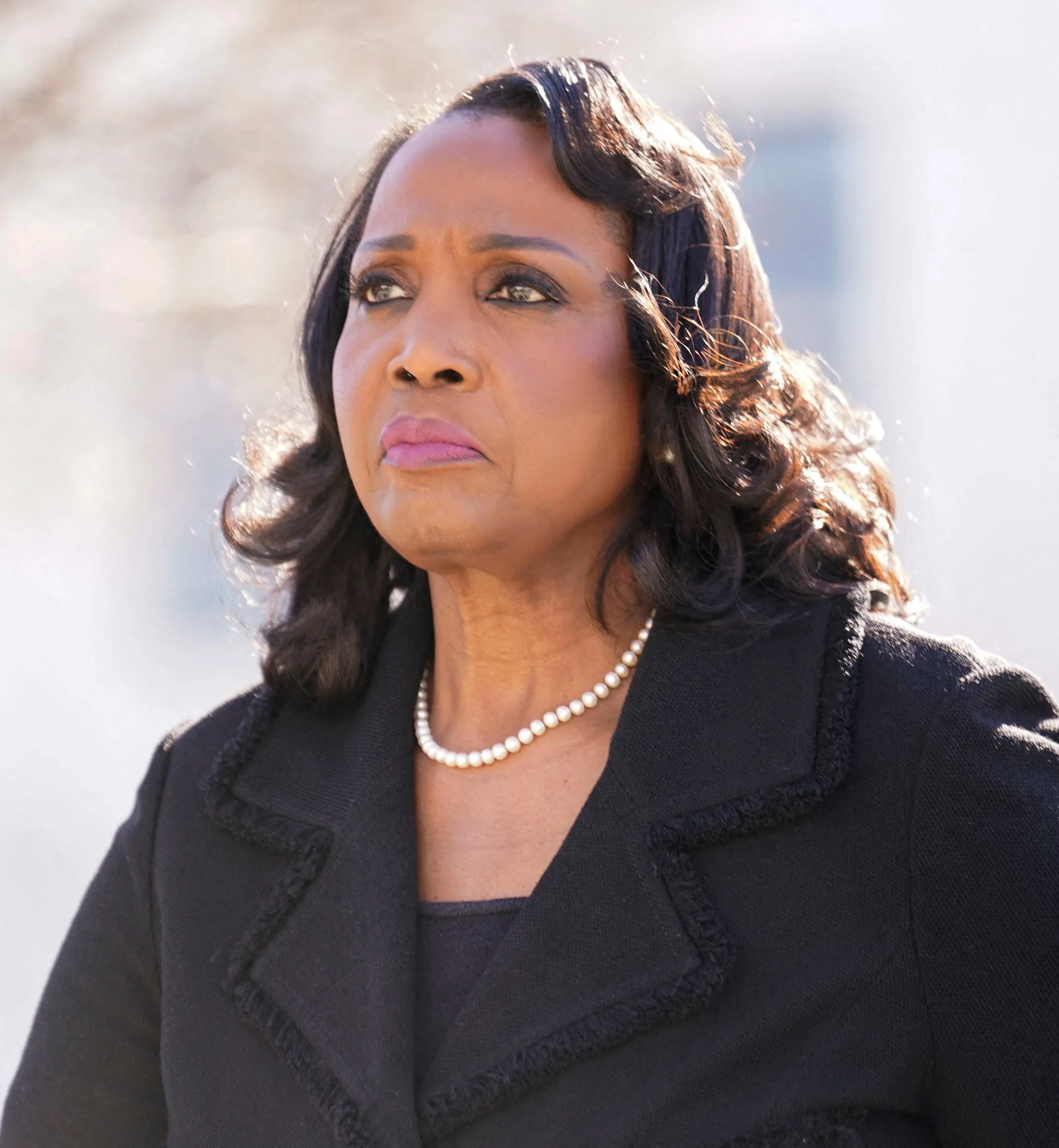
The US Supreme Court has blocked President Donald Trump's attempt to remove Federal Reserve governor Lisa Cook from her post, rejecting the administration's bid to oust her over allegations of mortgage fraud that the Court noted were unproven.
The ruling preserves Cook's position on the Fed's Board of Governors, at least for now, and marks a significant legal check on the White House's push to assert control over independent federal agencies. The Supreme Court's order means Cook stays in place while the underlying legal dispute continues to work its way through the courts.
The Trump administration had sought to remove Cook, one of seven members of the Fed's Board of Governors, citing allegations of mortgage fraud. The Court's blocking order underscores that those allegations remain unproven, and no court has found Cook guilty of any wrongdoing.
The Federal Reserve operates as an independent central bank, meaning the president does not have routine authority to fire its governors at will. Fed governors serve fixed 14-year terms under federal law, with removal permitted only for cause, such as proven misconduct. The administration's attempt to remove Cook tests whether the White House can expand its firing power to cover independent agencies, a legal frontier that has drawn intense scrutiny across multiple court battles in 2026.
If the administration had succeeded, it would have set a precedent allowing the president to remove Fed governors based on unverified allegations, fundamentally weakening the central bank's independence from political pressure. Markets watch Fed independence closely because a politically directed central bank could alter interest rate decisions in ways that serve short-term political goals rather than inflation and employment mandates.
Cook, appointed by President Joe Biden in 2022, was the first Black woman to serve as a Fed governor. Her removal would have opened a seat that Trump could fill with a more aligned nominee, shifting the internal balance of the seven-member board on rate-setting decisions.
The Supreme Court's block is an interim measure, not a final ruling on whether the president has the power to fire Fed governors. The core constitutional question, how far presidential removal power extends over independent agencies, is still being litigated. Lower courts will continue hearing the case, and the Supreme Court may eventually take it up on the merits.
The outcome matters well beyond Cook's individual position. A final ruling that expands presidential firing power over the Fed would structurally change how the central bank operates and how financial markets price the credibility of its decisions. Conversely, a ruling that firmly limits that power would reinforce the legal firewall that has protected Fed independence for decades.
For now, Cook remains on the board and the administration cannot move to remove her while the legal block stands. Investors and central bank watchers will track any further court developments closely, given that the Fed's rate path for the remainder of 2026 and into 2027 is already a source of significant market uncertainty.
India's government plans to amend the Payment and Settlement Systems Act to restore UPI merchant discount rates, ending the zero-MDR regime in place since January 2020.
India's government has introduced the Taxation and Other Laws (Amendment) Bill, 2026, proposing changes to payments regulation, income tax, and the Finance Act to attract FDI and support Make in India. The Bill's final shape will depend on parliamentary debate and committee review.
The government's Taxation and Other Laws (Amendment) Bill, 2026, proposes to replace the blanket UPI MDR ban with a system allowing the Centre to notify which payment modes stay fee-free.
Prime Minister Narendra Modi inaugurated the Rs 5,000 crore Bhogapuram greenfield airport in Andhra Pradesh, built under a public-private partnership model. He also laid foundation stones for infrastructure projects worth nearly Rs 18,000 crore in the state, signalling a broad investment push for the region.