India to Restore UPI Merchant Fees, PhonePe Gains Most
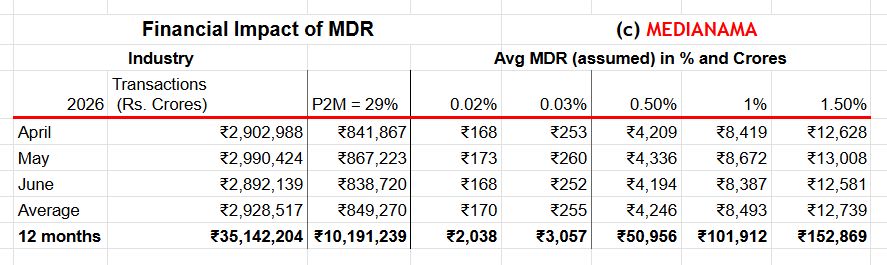
India's government plans to amend the Payment and Settlement Systems Act to restore UPI merchant discount rates, ending the zero-MDR regime in place since January 2020.
Key Takeaways
May 7, 2026 · 3 min read · By Rishabh Bhardwaj
·
AI-assisted, human-reviewed · Our editorial standards
The Supreme Court has questioned whether Parliament gave the 2023 Electoral Commissioners appointment law adequate debate before passing it, a pointed challenge to a statute that reversed the court's own landmark ruling from the same year.
At issue is the Chief Election Commissioner and Other Election Commissioners (Appointment, Conditions of Service and Term of Office) Act, which handed back control of CEC and EC appointments to the political executive. The court had earlier ruled, in its 2023 judgment, that a collegium-style committee, including the Chief Justice of India, should oversee these appointments, removing them from pure government control. Parliament responded with legislation that restored the executive's role, cutting out the judiciary.
The bench asked whether the "ethos" of its 2023 judgment, the reasoning and values behind it, was actually placed before Parliament and properly discussed before the law was passed. It is a significant question: the court is not just reviewing the law's text but probing whether legislators understood and engaged with the constitutional principles the court had laid down.
Lawyers appearing before the court pointed to a complicating fact: a large number of Opposition MPs had been suspended from Parliament before the debate on the Bill took place. That means the legislative discussion happened without the full range of elected voices, raising questions about whether the process met even the basic standard of informed deliberation the court seems to be looking for.
The Election Commission's independence sits at the foundation of free and fair elections. Who controls the appointment of the CEC and ECs directly shapes that independence. If the government of the day can appoint these officials without a meaningful check, the risk of partisan influence over electoral machinery rises.
The Supreme Court's 2023 ruling was precisely aimed at creating such a check. By passing a law that undid it, Parliament entered into a direct institutional standoff with the judiciary. The current proceedings suggest the court is not finished with the question.
A finding that parliamentary debate was inadequate could give the court grounds to scrutinize the law more aggressively, though striking down a law purely on grounds of insufficient debate is a high constitutional bar. More likely, the court is building a record that informs how it reads the law's intent and whether it satisfies the constitutional requirements it had earlier identified.
Watch for whether the court frames its eventual ruling narrowly, around procedure or debate quality, or broadly, revisiting the core question of whether the executive should control election commissioner appointments at all.
India's government plans to amend the Payment and Settlement Systems Act to restore UPI merchant discount rates, ending the zero-MDR regime in place since January 2020.
India's government has introduced the Taxation and Other Laws (Amendment) Bill, 2026, proposing changes to payments regulation, income tax, and the Finance Act to attract FDI and support Make in India. The Bill's final shape will depend on parliamentary debate and committee review.
The government's Taxation and Other Laws (Amendment) Bill, 2026, proposes to replace the blanket UPI MDR ban with a system allowing the Centre to notify which payment modes stay fee-free.
Prime Minister Narendra Modi inaugurated the Rs 5,000 crore Bhogapuram greenfield airport in Andhra Pradesh, built under a public-private partnership model. He also laid foundation stones for infrastructure projects worth nearly Rs 18,000 crore in the state, signalling a broad investment push for the region.