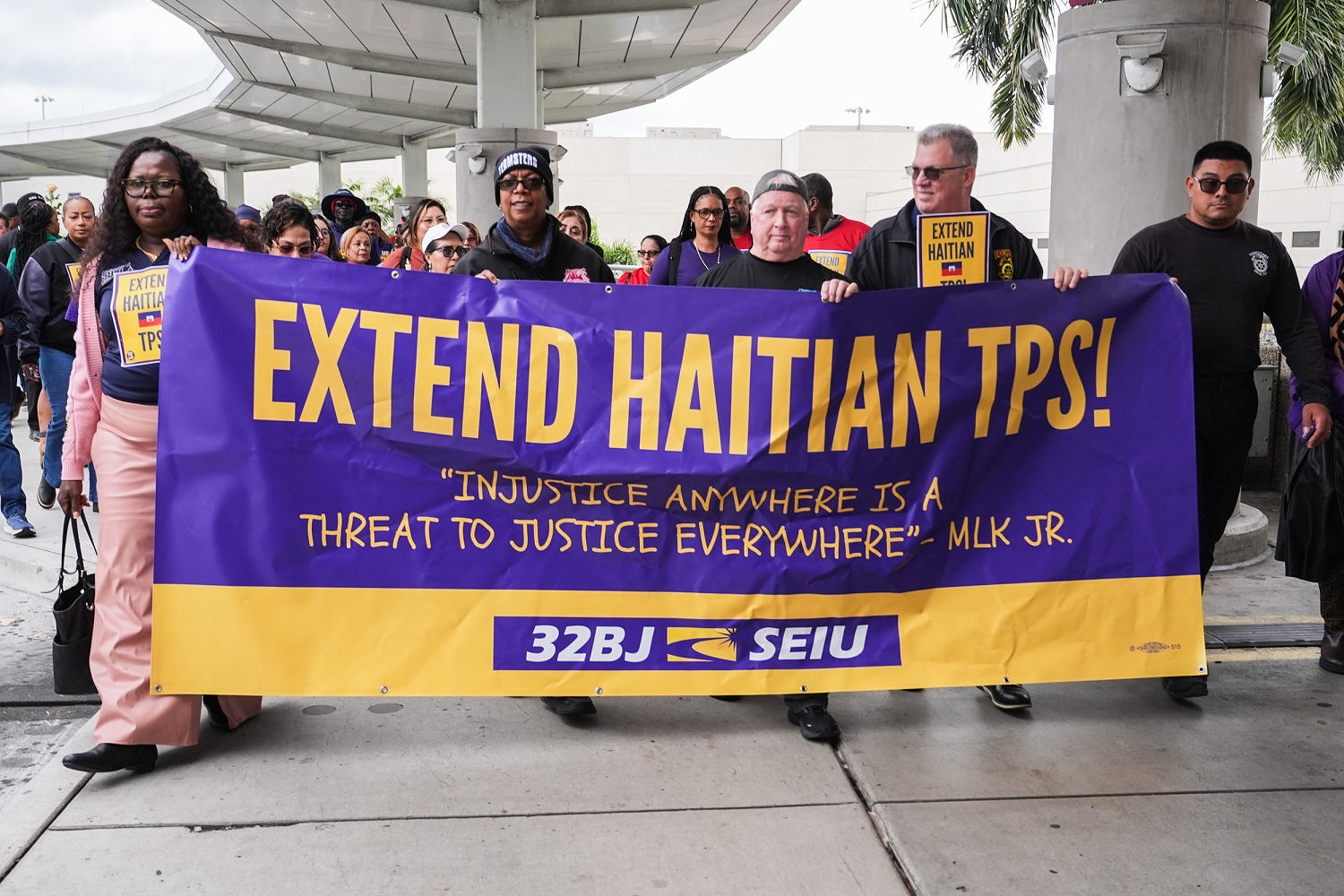
The U.S. Supreme Court has given the Trump administration the green light to strip legal protections from thousands of Haitian and Syrian immigrants, opening the door to their deportation.
The court's decision removes a legal barrier that had temporarily shielded these immigrants from losing their status. The protections at issue fall under Temporary Protected Status, or TPS, a federal program that allows nationals from countries experiencing armed conflict, natural disasters, or other extraordinary conditions to live and work legally in the United States without fear of removal.
The Biden administration had extended TPS designations for both Haiti and Syria, citing ongoing instability in each country. The Trump administration moved to terminate those designations after taking office, arguing it has broad executive authority over immigration policy. Lower courts had blocked those terminations, keeping the protections in place while legal challenges worked through the system. The Supreme Court's action clears the administration to proceed while litigation continues.
Who Is Affected
Haiti's TPS population is among the largest of any country in the program, with tens of thousands of Haitian nationals currently holding the status in the United States. Syria's designation covers a smaller but still significant group of immigrants who fled years of civil war. Both groups now face the prospect of losing their work authorization and legal residency protections, making them formally subject to deportation proceedings.
TPS does not provide a path to permanent residency on its own, but it does grant a legally recognized presence and work permits for the duration of a country's designation. Losing TPS means losing both, often abruptly, for people who in many cases have lived and worked in the United States for years or decades.
Why the Court Ruling Matters
The Supreme Court's move is significant beyond the two countries named. It signals that the administration has the legal footing, at least for now, to act on TPS terminations that have been contested in lower courts. Several other countries have active TPS designations that the Trump administration has also moved to end. A permissive ruling for Haiti and Syria could accelerate similar actions for nationals from Venezuela, El Salvador, Ukraine, and others currently protected under the program.
The administration's core legal argument is that TPS designations are discretionary executive decisions, not entitlements, and that the president has wide authority to end them. Opponents have argued the terminations were arbitrary, discriminatory, and procedurally flawed. The Supreme Court's willingness to allow the removals to proceed suggests at least a preliminary reading in the administration's favor on the core jurisdictional question.
For affected immigrants, the practical timeline is still uncertain. TPS terminations involve a wind-down period before actual deportation proceedings begin, and individual cases can be contested separately. But the legal safety net that had kept mass removal off the table has now been lifted for these two groups.
Immigration advocates and legal groups are expected to continue fighting the terminations in lower courts, but the Supreme Court's action significantly weakens their leverage to block enforcement in the near term. Congressional action to codify TPS protections into law has been proposed in previous sessions but has not advanced.
The ruling adds to a broader pattern of the current Supreme Court allowing the Trump administration to move forward on immigration enforcement measures while full legal review continues, a posture that effectively shifts the burden onto challengers to prove harm rather than onto the government to pause while courts deliberate.