India to Restore UPI Merchant Fees, PhonePe Gains Most
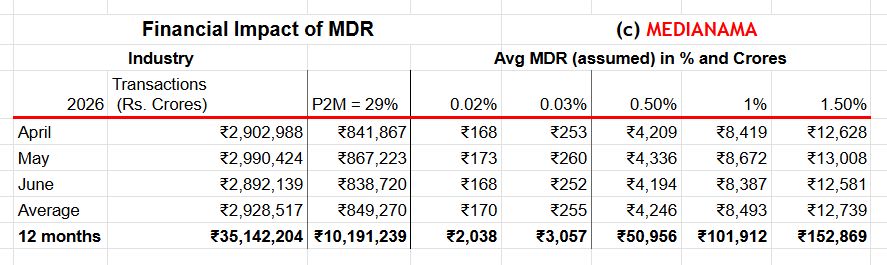
India's government plans to amend the Payment and Settlement Systems Act to restore UPI merchant discount rates, ending the zero-MDR regime in place since January 2020.
Key Takeaways
June 29, 2026 · 3 min read · By Rishabh Bhardwaj
·
AI-assisted, human-reviewed · Our editorial standards

The US Supreme Court has cleared the way for the Trump administration to end Temporary Protected Status for thousands of Haitian and Syrian immigrants, delivering a significant win for the administration's immigration enforcement agenda.
The court split along ideological lines, with the conservative majority siding with the administration and the liberal justices dissenting. The decision removes a key legal barrier that had kept the program intact for these two groups while court challenges played out.
Temporary Protected Status, known as TPS, is a federal designation that shields nationals of specific countries from deportation when conditions back home make return dangerous or impossible. Qualifying conditions include ongoing armed conflict, natural disasters, or other extraordinary circumstances. TPS holders can live and work legally in the United States for the duration of their designation, but the status must be periodically renewed by the executive branch.
Haiti and Syria were both designated under TPS because of severe instability: Haiti due to chronic political violence and natural disasters, Syria due to years of civil war. For many recipients, TPS has been the only legal basis for remaining in the country, in some cases for many years.
The Trump administration had moved to terminate TPS designations for both countries, arguing the executive branch holds broad authority over these determinations and that current conditions no longer meet the threshold for protection. Lower courts had previously blocked or delayed those terminations. The Supreme Court's ruling now allows the administration to proceed.
For affected immigrants, the practical consequence is stark. Without TPS, individuals lose their work authorization and protection from removal. They must either find another legal immigration pathway, depart voluntarily, or face potential deportation proceedings. Legal advocacy groups are likely to continue challenging the terminations in lower courts on procedural or other grounds, but the Supreme Court's order removes the broadest shield that had kept the policy on hold.
The scale of impact is substantial. Hundreds of thousands of Haitian immigrants held TPS designations, making Haiti one of the largest TPS-covered populations in the United States. Syria's TPS population is smaller but similarly vulnerable given the country's ongoing instability.
The ruling also carries weight beyond Haiti and Syria. The Supreme Court has now signaled that the executive branch holds wide discretion over TPS designations, which could affect the administration's ability to roll back status for nationals of other covered countries as well. Venezuela, El Salvador, Ukraine, and several others currently have active TPS designations, and advocates have warned that a broad legal green light here could accelerate termination efforts across those groups too.
For the administration, the decision reinforces a pattern of courts, at least at the highest level, deferring to executive authority on immigration enforcement. It follows earlier rulings that allowed other parts of the administration's immigration agenda to proceed while litigation continues in lower courts.
What to watch next: immigration attorneys and advocacy organizations will assess whether specific procedural or statutory arguments remain viable in lower federal courts to delay or block individual terminations. Congress could also theoretically act to codify TPS protections into law, though no such legislation appears imminent. For affected individuals, the immediate priority will be identifying any alternative legal status available before removal proceedings begin.
India's government plans to amend the Payment and Settlement Systems Act to restore UPI merchant discount rates, ending the zero-MDR regime in place since January 2020.
India's government has introduced the Taxation and Other Laws (Amendment) Bill, 2026, proposing changes to payments regulation, income tax, and the Finance Act to attract FDI and support Make in India. The Bill's final shape will depend on parliamentary debate and committee review.
The government's Taxation and Other Laws (Amendment) Bill, 2026, proposes to replace the blanket UPI MDR ban with a system allowing the Centre to notify which payment modes stay fee-free.
Prime Minister Narendra Modi inaugurated the Rs 5,000 crore Bhogapuram greenfield airport in Andhra Pradesh, built under a public-private partnership model. He also laid foundation stones for infrastructure projects worth nearly Rs 18,000 crore in the state, signalling a broad investment push for the region.