
Qatar Signals Progress in US-Iran War Talks
Qatar's foreign ministry said mediators including Qatar, Pakistan, and Oman have reached "very progressive stages" in efforts to end the US-Iran war, pushing Brent crude down more than four percent.
Key Takeaways
May 12, 2026 · 3 min read · By Rishabh Bhardwaj
·
AI-assisted, human-reviewed · Our editorial standards
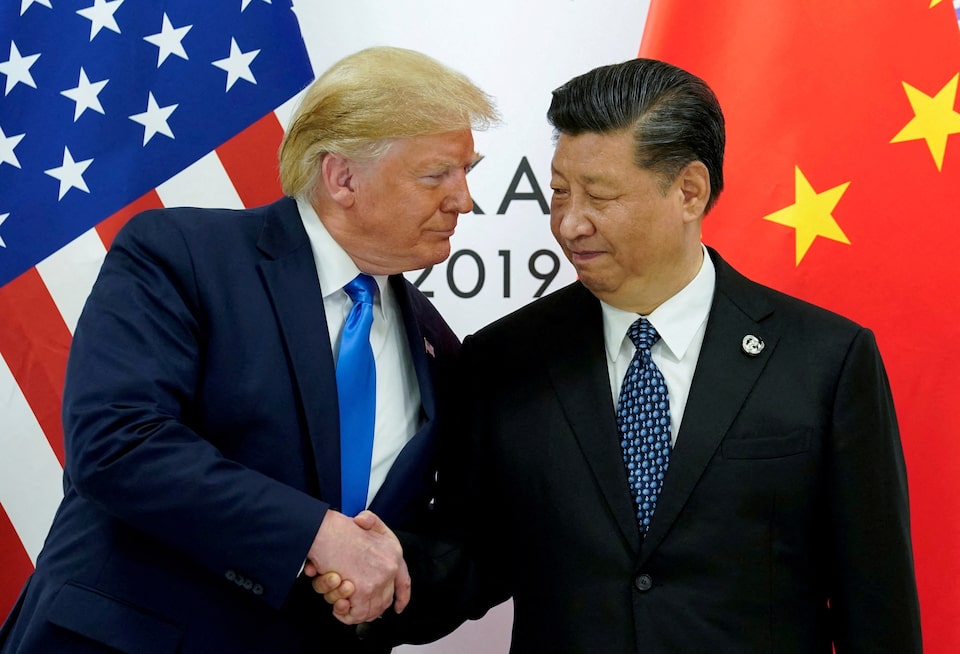
Donald Trump arrives in Beijing this week carrying more political baggage than bargaining chips. Analysts say the Iran conflict has drained both public goodwill and economic bandwidth, leaving Washington in a weaker position than it would like heading into talks with President Xi Jinping.
The trip is focused on two overlapping objectives: securing limited trade concessions and persuading Beijing to use its influence over Tehran in the aftermath of the Iran war. Neither goal is straightforward, and the two are entangled in ways that complicate the agenda.
On trade, the administration is not seeking a sweeping deal. The targets appear to be specific, visible wins that can be packaged for domestic audiences: purchases of American goods, movement on market access in select sectors, or commitments that slow the outflow of sensitive technology. These are the kinds of deliverables that travel well in a press release but require Beijing to give something without getting a clear reciprocal offer.
On Iran, the ask is more delicate. China is Tehran's largest trading partner and a key buyer of sanctioned Iranian oil. Washington wants Beijing to apply pressure, reduce purchases, or at minimum signal diplomatic distance from Iran's position. China has little obvious incentive to comply, particularly if the US is simultaneously pressing it on trade and technology.
The combination creates a structural problem for American negotiators. Asking a counterpart for two large favors at the same time, while offering limited concessions in return, tends to produce symbolic agreements rather than durable ones.
Analysts point to a few compounding factors that have narrowed Washington's room to maneuver. The Iran conflict raised defense spending pressures and added to an already stretched fiscal position. Domestically, it consumed political capital that the administration would otherwise direct toward economic policy. Markets have been watching the interaction between military commitments abroad and trade negotiations closely, because the two affect the dollar, Treasury yields, and the broader risk environment.
China, by contrast, enters the talks from a position of relative stability on the foreign policy front. Xi has no election cycle to manage and does not face the same short-term pressure to produce visible wins. That asymmetry shapes how each side calculates what a deal is worth and how long it can afford to wait.
Beijing also reads American domestic politics carefully. A president who needs wins is a president who may accept less favorable terms. That dynamic does not mean China will be maximally aggressive, but it does mean the negotiating baseline shifts.
For markets, the key question is whether the talks produce anything that moves the needle on tariffs, technology export controls, or supply chain decoupling. A genuine trade agreement, even a partial one, would be a positive signal for multinationals with China exposure and for commodities tied to Chinese demand. A communique heavy on language and light on commitments would likely be received as a non-event or mild disappointment.
On the Iran side, any visible Chinese move to reduce oil purchases from Tehran would tighten the sanctions regime and carry implications for global oil supply. That is a low-probability outcome in the near term, but it is the scenario that would most directly affect energy markets.
What to watch: whether the two sides announce any tariff adjustments, whether a joint statement addresses Iran explicitly, and whether either leader signals a follow-up mechanism. The absence of concrete deliverables will itself be a signal about how much space currently exists between Washington and Beijing on the issues that matter most.
Qatar's foreign ministry said mediators including Qatar, Pakistan, and Oman have reached "very progressive stages" in efforts to end the US-Iran war, pushing Brent crude down more than four percent.
Qatar confirmed it is mediating between the US and Iran but said no direct talks are currently planned. The clarification follows conflicting statements from President Trump, who claimed talks are under way, and Tehran, which denied any dialogue is happening.
Saudi Aramco reported sharply higher second-quarter 2026 profits as the Iran war restricts global oil supply and pushes crude prices up. Other oil supermajors also posted outsized earnings, raising concerns about sustained fuel cost pressure for importing economies.
President Trump called current Iran negotiations the "last chance" to end five months of conflict, pushing oil prices higher. Tehran denied formal talks are taking place, raising the risk of a diplomatic breakdown with direct consequences for global energy markets.