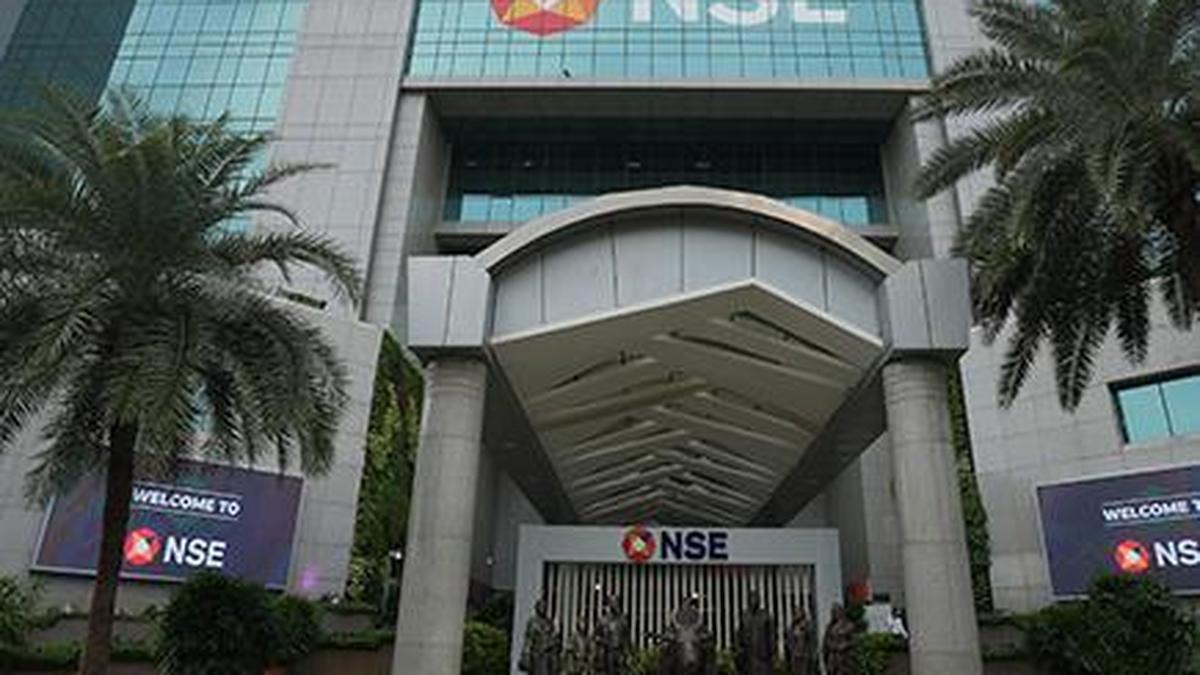
Indian stock markets fell in early trade on Monday, pulled lower by a sharp drop in HDFC Bank shares and rising global crude oil prices, even as Reliance Industries bucked the trend after posting record quarterly earnings.
What drove the early selloff
HDFC Bank, one of the heaviest weights on the Nifty 50 and Sensex, led the decline. When a stock of that size moves down, it drags index levels regardless of how other companies perform. At the same time, a spike in crude oil prices added to the pressure. India imports the vast majority of its oil, so higher crude directly raises costs for fuel, transport, and a wide range of goods. That makes investors nervous about inflation and corporate margins simultaneously.
The combination of a heavyweight banking stock falling and an oil-driven macro concern gave traders little reason to hold positions in the early session.
Reliance Industries stands apart
Against the broader weakness, Reliance Industries rose close to 1% after reporting record quarterly core profit and EBITDA for the April-June 2026 quarter. EBITDA, which stands for earnings before interest, taxes, depreciation, and amortisation, is the most widely watched measure of operating profitability for a conglomerate like Reliance. A record print on both metrics signals that its core businesses are generating more cash than at any prior point.
Reliance is India's most valuable listed company by market capitalisation, so its positive showing offered a partial offset to the index-level damage caused by HDFC Bank. Without that support, the market decline in early trade could have been steeper.
The contrast between the two stocks illustrates a pattern visible across markets right now: company-specific earnings news is competing with macro headwinds, and the macro is winning at the index level even when individual results are strong.
Why crude matters so much here
India's oil import bill is among the largest in the world. When Brent or WTI prices spike, the rupee comes under pressure as more dollars are needed to pay for the same volume of oil. That can widen the current account deficit, push up domestic fuel prices, and squeeze margins for sectors ranging from aviation and logistics to paints and chemicals. Equity investors tend to sell first and ask questions later when crude moves sharply, which is exactly what appears to have happened in this session.
For the Reserve Bank of India, a sustained rise in crude also complicates its inflation management. Higher fuel costs feed through to transport and food prices within weeks, limiting the central bank's room to cut interest rates even if growth data softens.
What to watch next
The key variable in the near term is whether crude oil prices stabilise or extend their rise. If global supply concerns ease, the macro drag on Indian equities could lift quickly. HDFC Bank's trajectory will also matter: as the largest private sector lender by assets, any shift in its outlook carries outsized index consequences.
On the earnings front, Reliance's record June quarter result sets a high bar for the rest of the reporting season. If other large-cap companies deliver comparably strong numbers, that could help limit index losses even if crude stays elevated. For now, though, the early session tone is cautious, and the balance of pressure is tilted to the downside.