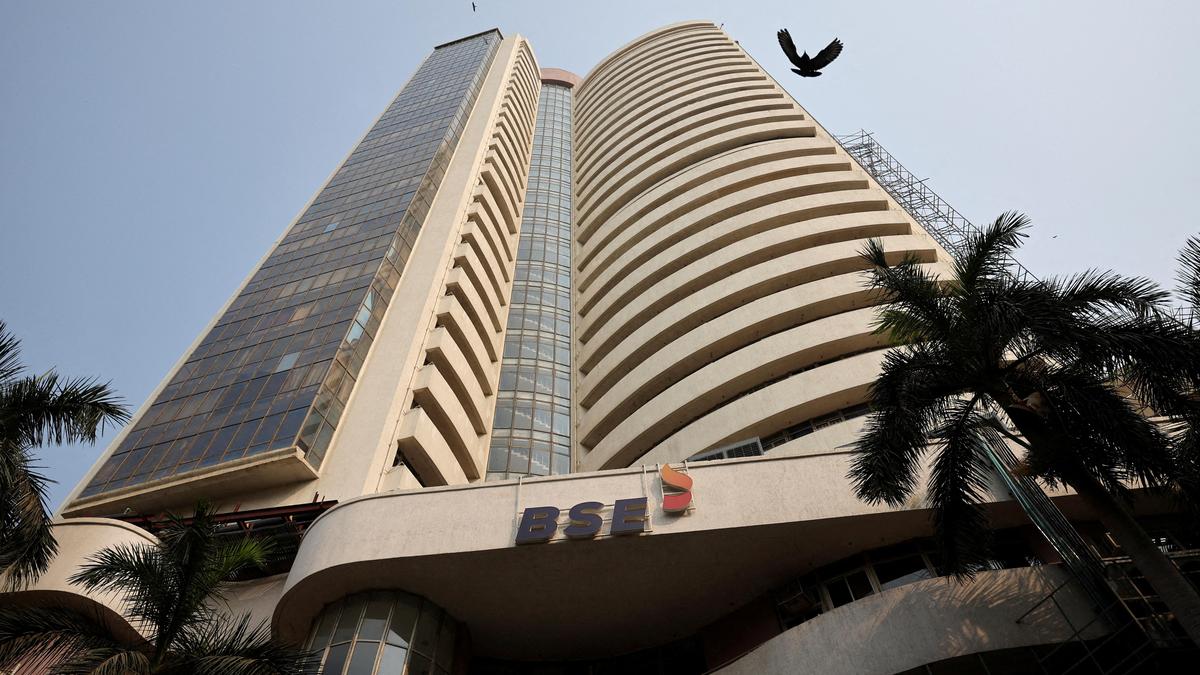
Indian equity markets fell for a second straight session on Tuesday, with the BSE Sensex dropping 516 points as renewed tensions in West Asia pushed investors toward safer assets and away from riskier emerging market stocks.
The 30-share Sensex closed at 77,328.19, down 516.33 points or 0.66%. At its session low, the index slid as far as 698 points to touch 77,146.43, before recovering some ground into the close. The two-day slide signals a cautious mood among investors tracking geopolitical developments closely.
Why West Asia Tensions Rattle Indian Markets
When conflict risks rise in the Middle East, oil prices tend to move higher. India imports roughly 85% of its crude oil, so any sustained spike in crude directly raises the country's import bill, widens the trade deficit, and puts pressure on the rupee. Higher oil also feeds into domestic fuel and transportation costs, which can push inflation up and complicate the Reserve Bank of India's rate decisions.
Beyond oil, conflict-driven uncertainty tends to trigger a broad pullback from emerging markets. Global funds often shift capital toward perceived safe havens like US Treasury bonds or gold during such episodes. That outflow weighs on both Indian equities and the rupee simultaneously.
What to Watch
The trajectory of crude oil prices is the most direct channel to monitor. If tensions escalate further and oil climbs sharply, pressure on Indian markets, the rupee, and inflation expectations will likely intensify. On the other hand, any de-escalation could quickly reverse the risk-off mood.
Broader market direction will also depend on how foreign institutional investors respond over the coming sessions. Sustained selling by FIIs would amplify the downside, while domestic institutional buying has historically provided some cushion during global uncertainty. The next few trading sessions will show which force dominates.