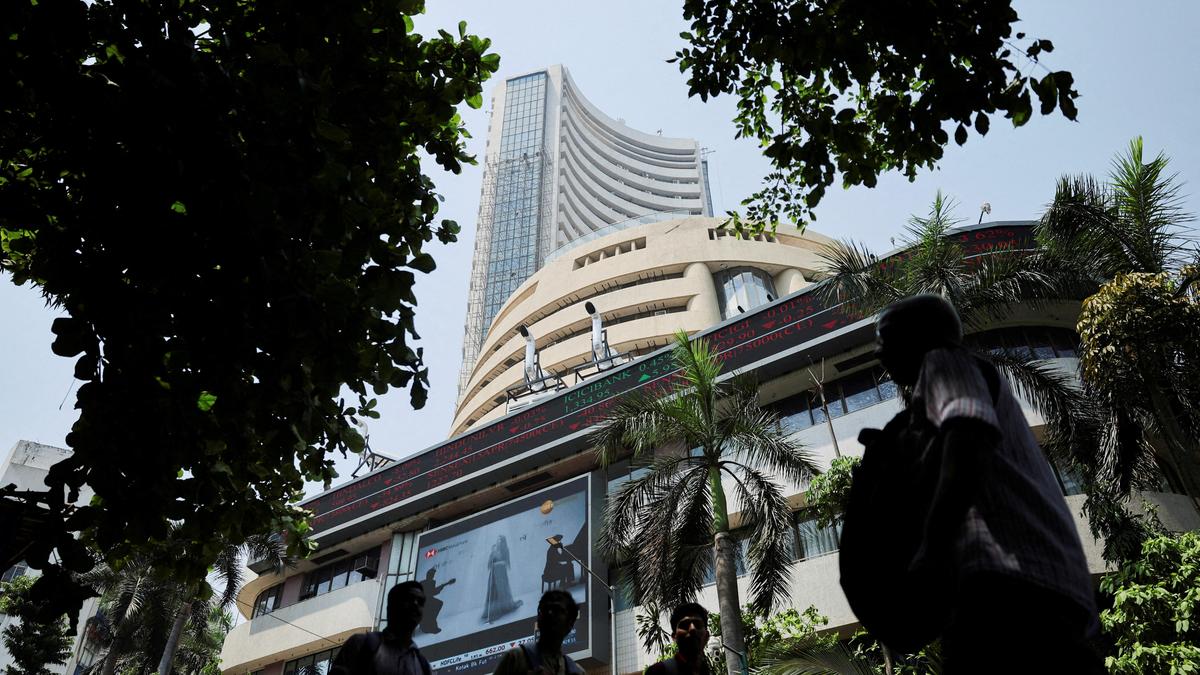
Indian equity markets opened lower on Monday, with the BSE Sensex falling 296.19 points to 73,971.30 and the NSE Nifty dropping 103.30 points to 23,272.25 in early trade, as investor sentiment weakened amid fresh turbulence in U.S.-Iran nuclear negotiations.
The selloff, though measured, reflects a broader caution that sets in whenever diplomatic talks between Washington and Tehran hit rough patches. Geopolitical friction involving Iran tends to ripple quickly into energy markets, and oil price swings carry outsized consequences for India, which imports a large share of its crude needs.
The U.S.-Iran talks have faced repeated setbacks, keeping investors uncertain about whether any deal that could ease sanctions and bring more Iranian oil to market is close at hand. Without a resolution, global oil supply remains tighter than it might otherwise be, keeping upward pressure on crude prices. For India, higher oil costs widen the trade deficit, pressure the rupee, and squeeze margins across energy-intensive sectors from aviation to chemicals.
Why It Matters
Equity markets in India are sensitive to global risk appetite, and geopolitical stress tends to prompt a rotation out of emerging market assets. Foreign institutional investors, who hold significant positions in Indian stocks, are often quick to reduce exposure when uncertainty rises globally. That shift in flows can amplify domestic index moves even when the underlying trigger is far removed from Indian economic fundamentals.
The Sensex and Nifty were already navigating a mixed domestic backdrop, with investors watching corporate earnings, the trajectory of the Reserve Bank of India's rate decisions, and monsoon forecasts. A fresh geopolitical variable adds noise to an already complex picture, making near-term positioning harder for both retail and institutional participants.
Oil is the clearest transmission channel. Iran holds substantial proven crude reserves, and any diplomatic breakthrough could eventually add supply to an already managed OPEC-plus market. Conversely, talks breaking down entirely raises the risk of renewed tensions that could push Brent prices higher. India's fuel subsidy burden and inflation outlook are both tied, in part, to where crude settles.
What to Watch Next
The pace and tone of U.S.-Iran talks will be the key external variable for Indian markets in the near term. Any signal of progress could support a relief rally in indices and ease pressure on the rupee. A full breakdown in talks, or an escalation involving regional actors, would likely push oil higher and weigh further on sentiment.
Domestically, traders will monitor whether the early-session dip attracts buyers at support levels around Nifty 23,200, or whether selling extends toward the day's close. Broader Asian market moves and any currency shifts will also shape the session's direction.
For now, the opening decline is moderate rather than alarming, but it signals that Indian markets remain tightly connected to geopolitical developments that can shift the energy and risk calculus with little warning.