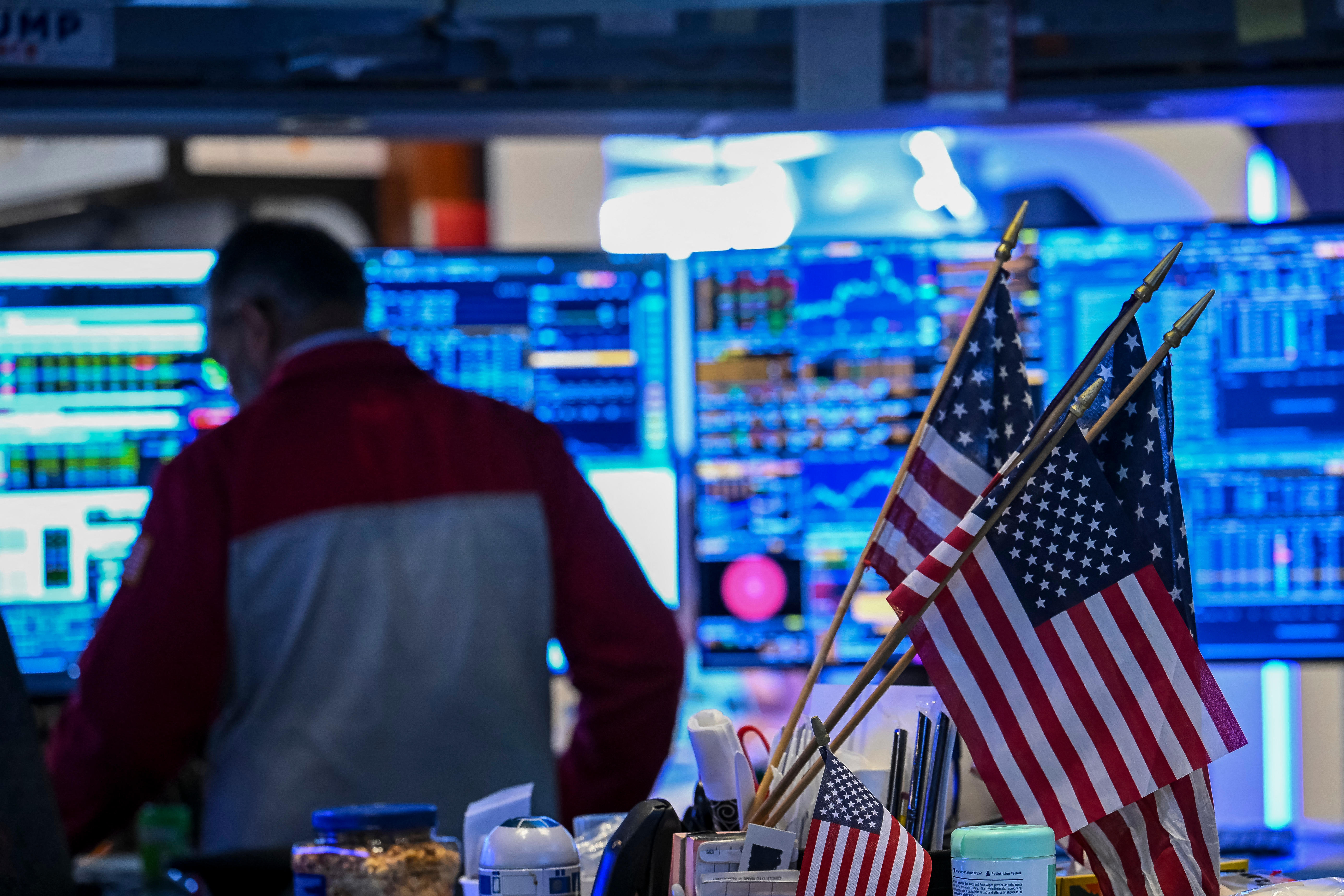
U.S. stocks wobbled on July 24, 2026, with the Dow Jones Industrial Average, S&P 500, and Nasdaq all struggling to find direction after a sharp selloff in technology shares coincided with the arrival of new tariffs from the Trump administration.
The triple-index hesitation reflects two distinct pressures landing at the same time. A tech-led rout pulled down the market's most heavily weighted sector, while fresh tariffs introduced new cost uncertainty for companies that rely on imported goods or global supply chains. Together, they gave investors little reason to buy aggressively and plenty of reason to wait.
What drove the selloff
Technology stocks bore the sharpest losses in the prior session, dragging the Nasdaq disproportionately. Tech remains the largest sector by weight in both the S&P 500 and Nasdaq, so a concentrated selloff there tends to ripple across the broader indices even when other sectors hold steady. The exact catalyst for the tech rout was not specified, but the timing alongside the tariff announcement suggests sentiment-driven selling may have compounded any fundamental concerns.
The new Trump tariffs took effect on July 24, 2026, adding a fresh layer of cost pressure across affected product categories. Tariffs work as an import tax: they raise the price of goods brought into the country, which either compresses the profit margins of importers or gets passed on to buyers as higher prices. For companies that source components or finished goods from overseas, the immediate effect is a higher cost base that can take quarters to work through.
Technology hardware makers, consumer goods companies, and retailers with import-heavy supply chains are typically the first cohort to feel the impact. If tariffs apply to semiconductors, electronics, or industrial components, the pressure on tech margins could extend the sector's current weakness rather than reverse it quickly.
Why this moment matters
Markets had already been navigating a complex backdrop in mid-2026, with interest rate expectations and corporate earnings guidance both in flux. Adding a tariff-driven cost shock on top of a sector already under selling pressure compresses the cushion investors had been relying on. When the S&P 500's largest sector declines and a policy-driven cost increase arrives simultaneously, the risk-reward calculation for equities shifts in a meaningful way.
The wobble across all three major indices, rather than a clean recovery or a deeper drop, signals genuine uncertainty. Bulls are not fleeing, but they are not stepping in with conviction either. That kind of indecision often persists until either earnings data or policy clarity resolves the open questions.
For traders watching near-term positioning, the critical variables are whether the tech selloff was a one-session flush or the start of a broader rotation, and how quickly companies begin quantifying the tariff impact in their guidance. Earnings calls in the coming weeks will likely be the first venue where executives put numbers on how the new tariffs affect their cost structure and margin outlook.
Broader market stability also depends on whether other sectors, such as energy, financials, or industrials, can absorb the drag from tech and tariff noise. If defensive and value sectors attract rotation buying, the index-level damage may stay contained. If the selling broadens, the wobble could deepen into a more sustained pullback.
Investors watching for resolution should focus on any official clarification from the Office of the United States Trade Representative on the scope and timeline of the new tariffs, along with tech sector earnings reports that are due in the coming sessions. Those two data points will do more to set the market's next direction than daily price action alone.