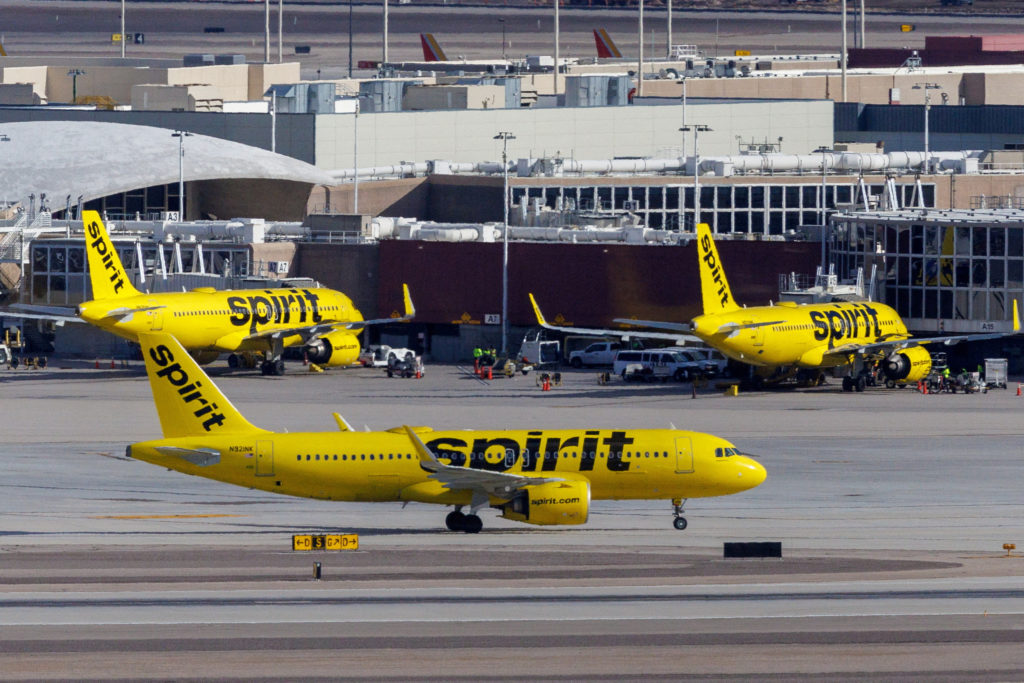
Spirit Airlines shut down on Saturday after 34 years, ending operations immediately and grounding its entire fleet. The airline, which built its business on some of the lowest base fares in the United States, ceased flying without a wind-down period, leaving passengers stranded mid-trip or unable to board scheduled flights.
How Spirit Changed Budget Flying
Spirit pioneered an ultra-low-cost model that separated the base ticket price from almost everything else, bags, seat selection, even carry-ons cost extra. The approach forced larger carriers like American, Delta, and United to compete harder on price in the routes Spirit served, particularly leisure-heavy markets in Florida, the Caribbean, and Latin America.
That model also made Spirit one of the most complained-about airlines in the country. Thin margins, aging aircraft costs, and post-pandemic shifts in traveler spending, passengers moved toward premium seats and away from bare-bones fares, put sustained pressure on the carrier's finances. Spirit had been in financial distress for some time before this announcement.
What Happens Now
The immediate shutdown means passengers holding Spirit tickets have no automatic right to a seat on another airline. Travelers are typically advised to rebook on other carriers at their own expense and file a credit card dispute or insurance claim, since a bankrupt airline that ceases operations generally cannot honor refunds in the normal sense.
Spirit's exit removes a meaningful source of low-fare competition on hundreds of U.S. routes. Routes where Spirit was the only ultra-low-cost option could see fares rise as that pricing pressure disappears. Rival budget carriers like Frontier and Allegiant, along with the major network airlines, stand to pick up both passengers and potentially gates, slots, and aircraft as Spirit's assets are wound down.
The closure also affects Spirit's workforce. Pilots, cabin crew, and ground staff are out of work effective immediately, adding thousands of aviation workers to the job market at once.
Watch for other budget carriers to move quickly on Spirit's airport positions and aircraft leases, and for consumer advocates to press for passenger compensation guidance from the Department of Transportation.