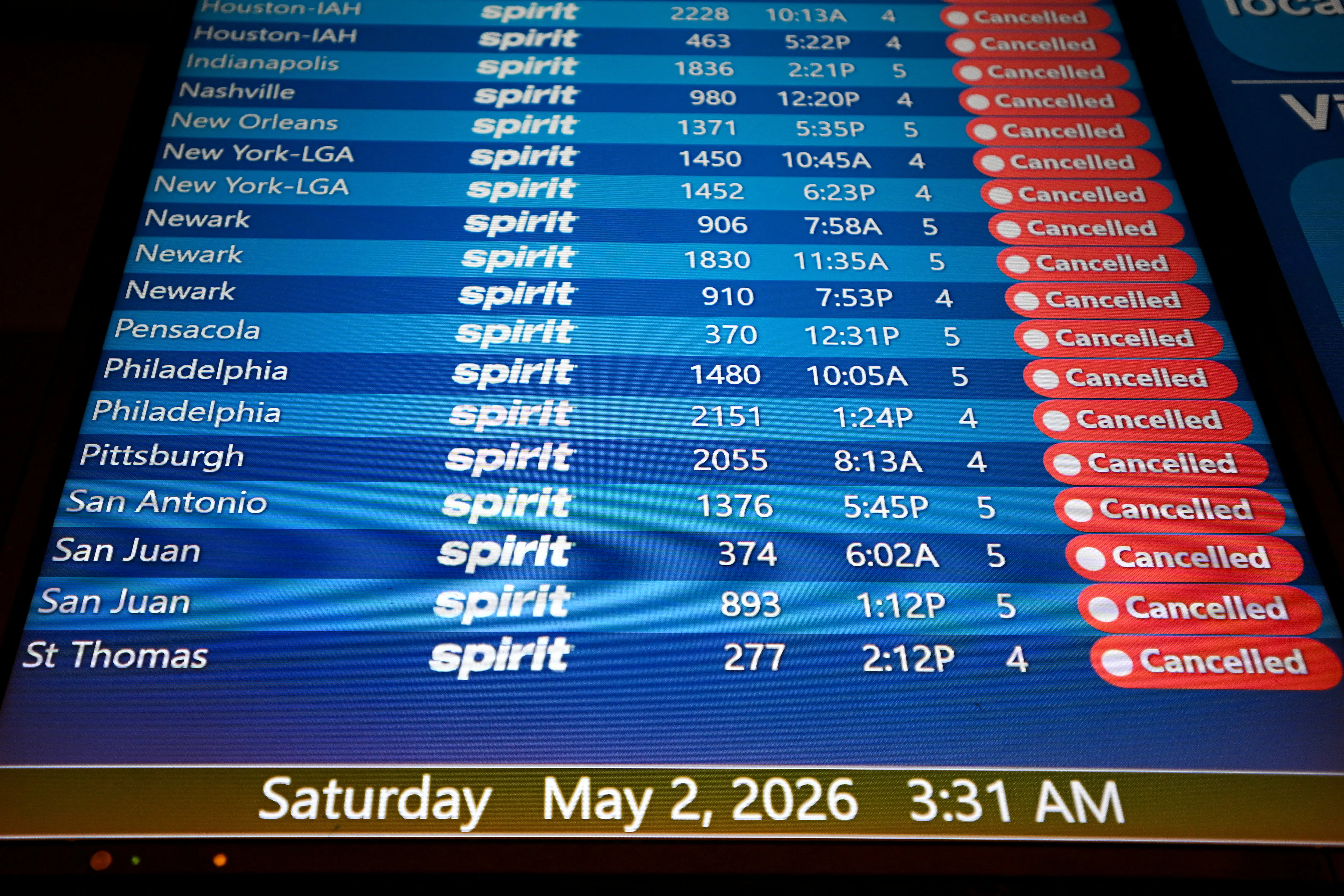
Spirit Airlines has shut down operations, ending its run as one of the United States' most recognizable budget carriers. Talks for a government bailout collapsed without a deal, leaving the airline unable to continue flying.
What Brought Spirit Down
Spirit had been under severe financial pressure from rising fuel costs, which the source attributes to the ongoing war on Iran. Fuel is the single largest operating cost for most airlines, and a sustained spike can quickly erode the thin margins that budget carriers depend on. Spirit's low-fare model, built on high seat density and ancillary fees, leaves little buffer when core input costs climb sharply.
The airline entered bailout talks seeking government support to stay afloat, a path other carriers have taken in past crises. Those talks broke down, and without an injection of outside capital, Spirit had no runway left to restructure or continue operations.
Who Gets Hit and What Comes Next
Spirit served millions of price-sensitive travelers, particularly on domestic US routes where it often undercut rivals by a wide margin. Its exit removes a meaningful source of downward pressure on ticket prices in those markets. Competing carriers may see reduced capacity on Spirit's former routes, which typically leads to higher fares for passengers who had few low-cost alternatives.
Workers across Spirit's network of pilots, cabin crew, ground staff, and support roles now face sudden job losses. The scale of that workforce has not been specified in available reporting, but airline shutdowns of this size typically affect thousands of employees directly.
The collapse also raises questions about other budget carriers exposed to the same fuel cost environment. Airlines operating on similarly thin margins will be watching closely, as will aircraft lessors and airport authorities that held contracts with Spirit.
For now, travelers with Spirit bookings should assume those flights will not operate and seek rebooking through other carriers. Federal rules on refunds for cancelled flights may apply, though the process during a shutdown is typically slower and more complicated than a standard cancellation.