
Qatar Signals Progress in US-Iran War Talks
Qatar's foreign ministry said mediators including Qatar, Pakistan, and Oman have reached "very progressive stages" in efforts to end the US-Iran war, pushing Brent crude down more than four percent.
Key Takeaways
May 11, 2026 · 2 min read · By Rishabh Bhardwaj
·
AI-assisted, human-reviewed · Our editorial standards
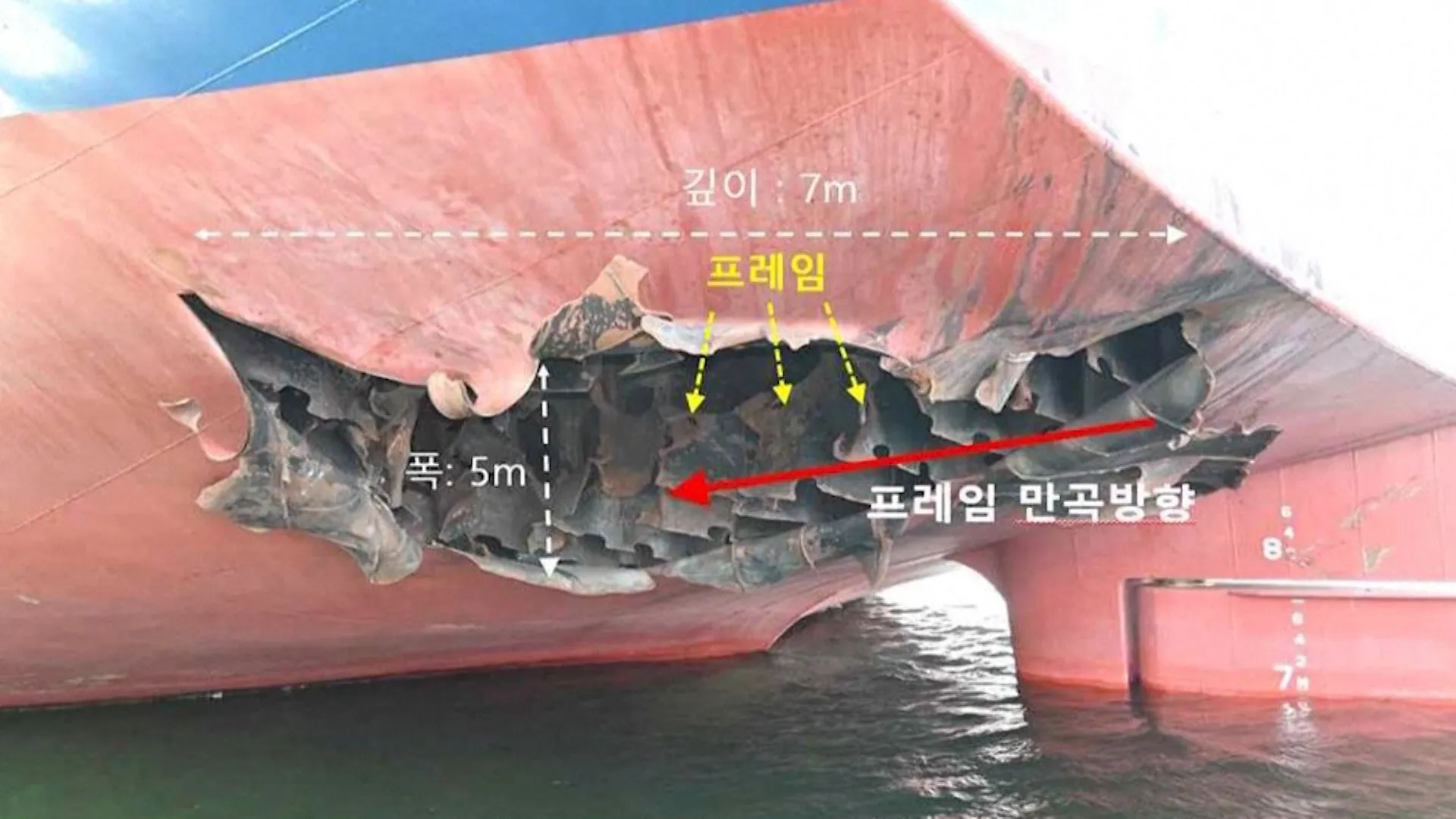
South Korea is investigating an incident on May 4 in which two unidentified flying objects struck a Korean-operated cargo ship near the Strait of Hormuz, one of the world's most critical oil shipping lanes.
Seoul has not yet identified the objects or confirmed who launched them. The ship was struck but the South Korean government has not disclosed details about damage to the vessel, injuries to crew, or the ship's cargo at this stage of the investigation.
The Strait of Hormuz sits between Iran and Oman and handles roughly 20% of global oil trade. Any incident involving a commercial vessel in this waterway draws immediate scrutiny, given years of maritime tensions in the region involving Iran, Western navies, and commercial shipping operators. Korean-flagged or Korean-operated ships have previously been caught in regional disputes, including Iran's seizure of a South Korean tanker in 2021 over a debt dispute.
The use of the term "unidentified flying objects" in this context is a technical descriptor, not a reference to anything extraterrestrial. It suggests the objects were airborne before impact, consistent with drone or missile attacks that have repeatedly targeted commercial shipping in and around the Red Sea and Gulf region in recent years.
South Korea has not publicly attributed the strike to any state or non-state actor. An active investigation means the full picture, who launched the objects, from where, and with what intent, is still being pieced together. Given the sensitivity of the Hormuz corridor and South Korea's dependence on Gulf energy imports, Seoul will be under pressure to establish facts quickly and decide whether a formal diplomatic or security response is warranted.
Shipping operators and insurers in the region will be watching closely. Repeat incidents in the Hormuz area could affect war-risk insurance premiums for commercial vessels and push some operators to reroute, adding cost and time to supply chains that already absorbed significant disruption from the Red Sea crisis of 2024.
Qatar's foreign ministry said mediators including Qatar, Pakistan, and Oman have reached "very progressive stages" in efforts to end the US-Iran war, pushing Brent crude down more than four percent.
Qatar confirmed it is mediating between the US and Iran but said no direct talks are currently planned. The clarification follows conflicting statements from President Trump, who claimed talks are under way, and Tehran, which denied any dialogue is happening.
Saudi Aramco reported sharply higher second-quarter 2026 profits as the Iran war restricts global oil supply and pushes crude prices up. Other oil supermajors also posted outsized earnings, raising concerns about sustained fuel cost pressure for importing economies.
President Trump called current Iran negotiations the "last chance" to end five months of conflict, pushing oil prices higher. Tehran denied formal talks are taking place, raising the risk of a diplomatic breakdown with direct consequences for global energy markets.