Chief Justice of India Surya Kant expressed surprise that well-educated individuals continue to fall victim to digital arrest scams, raising the issue while presiding over a Bench that also included Justice Joymalya Bagchi. The remarks came in the context of a recent case involving an elderly woman who lost her entire retirement savings to such a scheme. Digital arrest fraud involves criminals impersonating law enforcement or government officials online, coercing victims into transferring money under the threat of fabricated legal action. The CJI's remarks signal growing judicial concern about the scale and sophistication of these scams, which have claimed victims across educational and economic profiles. The bench's focus on a retirement savings loss underscores the financial severity these cases carry for individuals with limited ability to recover losses. Whether the court proceeds to issue formal directions to investigative agencies or telecommunications regulators will be the key development to monitor.
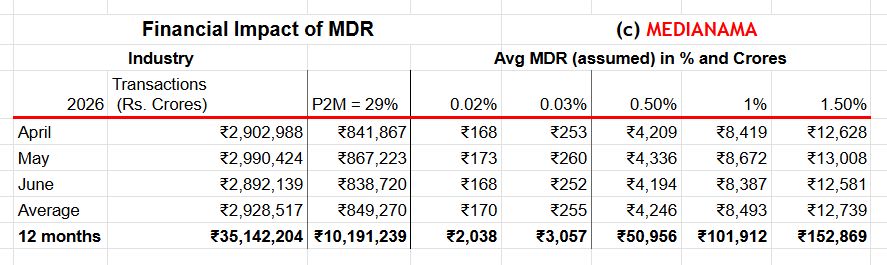
India's government plans to amend the Payment and Settlement Systems Act to restore UPI merchant discount rates, ending the zero-MDR regime in place since January 2020.
India's government has introduced the Taxation and Other Laws (Amendment) Bill, 2026, proposing changes to payments regulation, income tax, and the Finance Act to attract FDI and support Make in India. The Bill's final shape will depend on parliamentary debate and committee review.
The government's Taxation and Other Laws (Amendment) Bill, 2026, proposes to replace the blanket UPI MDR ban with a system allowing the Centre to notify which payment modes stay fee-free.
Prime Minister Narendra Modi inaugurated the Rs 5,000 crore Bhogapuram greenfield airport in Andhra Pradesh, built under a public-private partnership model. He also laid foundation stones for infrastructure projects worth nearly Rs 18,000 crore in the state, signalling a broad investment push for the region.