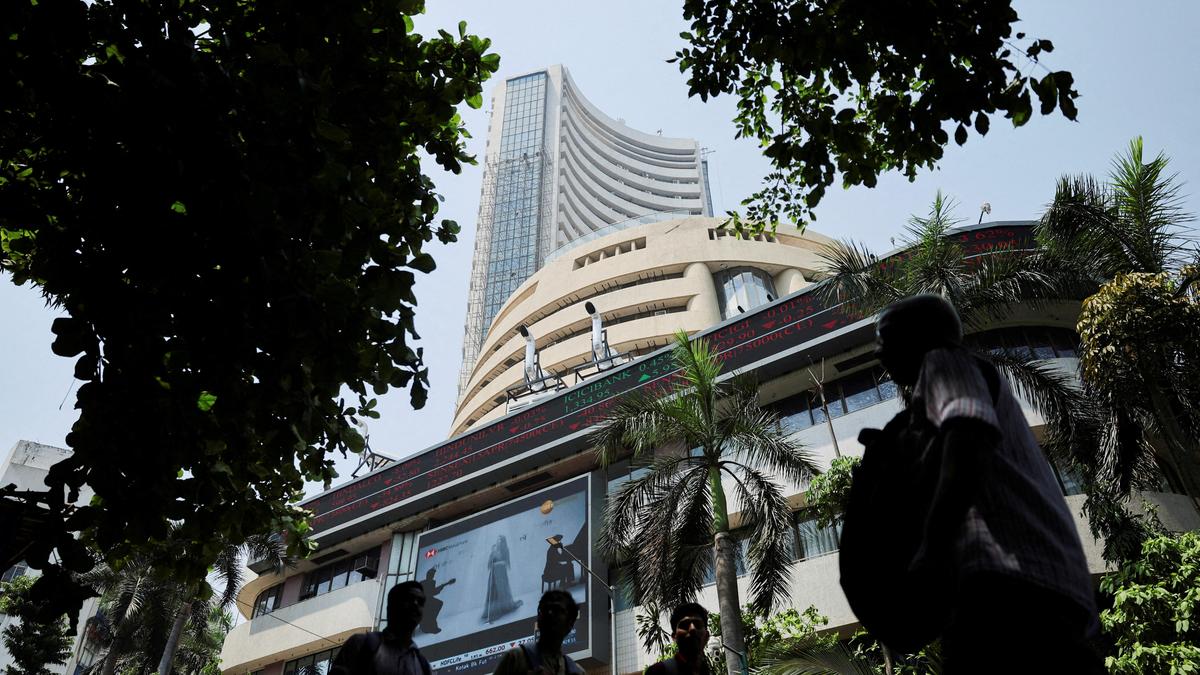
Indian stock markets fell sharply on Sunday, June 14, 2026, with the BSE Sensex dropping 1,092 points and the NSE Nifty 50 sliding in tandem, marking the third consecutive session of losses. The sell-off reflects a convergence of two distinct pressures: concerns about below-normal monsoon rainfall and fresh geopolitical uncertainty tied to the U.S.-Iran ceasefire arrangement.
A third straight day of declines signals more than routine profit-taking. When institutional and retail investors sell across multiple sessions, it typically reflects a re-rating of near-term risk rather than a one-day reaction to a single headline. Both factors in play right now carry real economic weight.
Why the Monsoon Warning Matters to Markets
India's agriculture sector feeds directly into inflation, rural income, and ultimately consumer spending across the broader economy. A below-normal monsoon season reduces crop output, which pushes up food prices. The Reserve Bank of India watches food inflation closely because it feeds into headline CPI, complicating any path toward rate cuts. Equity markets, especially consumer staples, FMCG, and rural-facing financials, tend to reprice quickly when monsoon forecasts turn negative.
Beyond food prices, a weak monsoon reduces reservoir levels, which affects power generation and rural credit demand. Farm income softens, which in turn dampens discretionary spending across states heavily dependent on agriculture. Investors in sectors from two-wheelers to microfinance institutions adjust their growth expectations accordingly.
The timing adds pressure. India is currently in the early phase of the monsoon season, which means any signal of below-normal rainfall carries forward-looking weight. Markets are not reacting to a confirmed drought, but to the probability distribution shifting in the wrong direction.
Geopolitical Uncertainty Adds a Second Layer
The U.S.-Iran ceasefire arrangement introduces a separate but connected source of volatility. Ceasefire deals in high-tension regions are inherently fragile in their early stages, and markets tend to price in the risk of breakdown rather than the optimism of resolution. For India, the transmission is primarily through crude oil prices.
Iran is a significant oil producer, and any uncertainty about whether a ceasefire holds, or whether sanctions regimes shift in response, creates volatility in global crude benchmarks. India imports roughly 85 percent of its crude oil needs, making it acutely sensitive to oil price swings. A sustained rise in crude pushes up the import bill, widens the current account deficit, and puts downward pressure on the rupee. All three outcomes are unfavorable for equity valuations.
Together, a weak monsoon and elevated oil price risk compress the margin for positive surprises in corporate earnings. Sectors like paint, chemicals, aviation, and logistics face direct cost pressure if crude stays elevated. Banks and NBFCs face indirect pressure if rural stress rises and credit quality in agri-linked portfolios weakens.
A 1,092-point Sensex drop is large in absolute terms, but context matters. The percentage move determines whether this is a correction or the start of a deeper repricing. Regardless of magnitude, three consecutive down sessions suggest that the near-term risk appetite among domestic and foreign institutional investors has shifted cautiously negative.
Foreign portfolio investors tend to reduce exposure to emerging markets when geopolitical uncertainty rises globally, and India is not immune to those flows even when its domestic fundamentals remain sound. A weaker rupee triggered by oil-driven current account pressure also erodes returns for dollar-denominated investors, creating a feedback loop that can extend the selling pressure.
What to watch next: monsoon progress data from the India Meteorological Department in the coming weeks will be the most critical domestic signal. On the geopolitical side, any sign that the U.S.-Iran ceasefire is stabilizing or fraying will move crude prices and, with them, sentiment toward Indian equities. Until clarity emerges on both fronts, markets are likely to remain sensitive to any incremental negative data point.