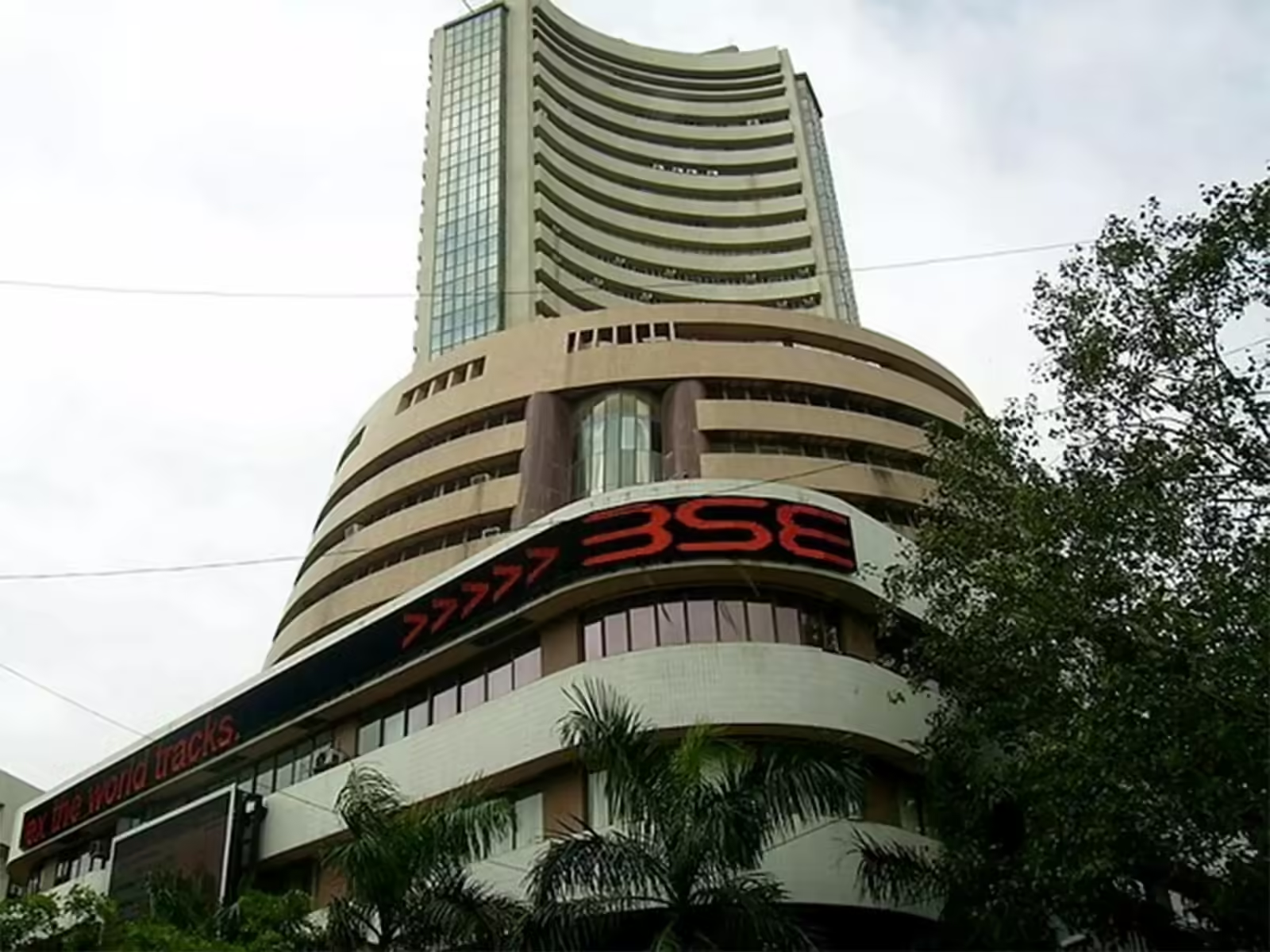
Indian equity markets came under sharp pressure at the open, with the Sensex dropping around 600 points and the Nifty sliding below 23,650 as the rupee touched a fresh all-time low against the dollar. The selloff was broad, with IT stocks leading the decline, and foreign institutional investors adding to selling pressure across sectors.
The rupee's record weakness is the immediate trigger investors are watching. A weaker rupee raises the cost of oil imports directly, and since India imports the vast majority of its crude, any sustained depreciation feeds through quickly into fuel costs, input prices, and corporate margins, particularly in sectors like aviation, paints, chemicals, and consumer goods.
Two global developments drove the move. Oil prices were elevated on the back of renewed Middle East tensions, and US President Donald Trump publicly rejected Iran's peace proposal, signaling that a diplomatic resolution to the conflict remains distant. For oil markets, this combination, higher prices plus no near-term de-escalation path, makes the risk premium in crude sticky rather than temporary.
IT stocks were among the hardest hit, which may seem counterintuitive since a weaker rupee normally boosts rupee-denominated earnings for software exporters. The selling likely reflects a broader concern: if US growth expectations soften or global risk appetite shrinks further, technology spending cuts by American and European clients become a real risk. IT companies earn in dollars but are valued on future growth assumptions, and those assumptions are under pressure right now.
Why Foreign Selling Amplifies the Move
Foreign institutional investor outflows are compounding the domestic picture. When FIIs sell Indian equities, they convert rupee proceeds into dollars, which puts direct downward pressure on the rupee. A falling rupee then makes Indian assets look less attractive in dollar terms to the next round of foreign buyers, creating a feedback loop that can accelerate both the equity decline and the currency slide in the short term.
This dynamic is not new to Indian markets, but it is particularly sharp when global risk events, like a Middle East escalation, coincide with a strong dollar environment. The US dollar tends to strengthen when geopolitical risk rises, as global capital moves toward perceived safe-haven assets. That squeezes emerging market currencies, with the rupee among the more exposed given India's structural current account deficit driven largely by energy imports.
What to Watch Next
The near-term direction for Indian markets depends on a few specific variables. First, crude oil prices: if Brent stays elevated or pushes higher, the rupee faces sustained pressure and the Reserve Bank of India may have to intervene more aggressively in currency markets to prevent a disorderly fall. Second, any shift in the tone of US-Iran diplomacy, even a minor signal, could ease the oil risk premium quickly. Third, FII flow data over the coming sessions will indicate whether this is a single-day reaction or the start of a more sustained exit from Indian equities.
Domestically, the RBI's response will be closely tracked. The central bank has historically intervened to smooth sharp rupee moves, but sustained intervention draws down foreign exchange reserves, which markets also monitor. If reserves fall visibly, that can itself become a source of concern for bond and currency investors.
For equity investors, the key watch point is whether the Nifty holds the 23,600 to 23,650 range on a closing basis. A close below that level would represent a technical breakdown that could invite further algorithmic and institutional selling. Sectors most exposed to a prolonged rupee weakness and high oil prices, energy importers, airlines, and consumer discretionary, are the most vulnerable in this environment.