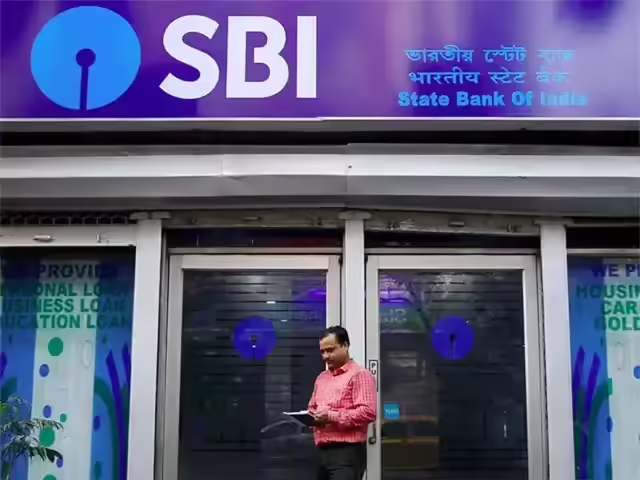
State Bank of India heads into Monday with two major items on its plate: the release of its fourth-quarter results and a board meeting on May 12 to consider raising up to $2 billion in fresh capital.
Analysts are not expecting a strong quarter on the profit line. Treasury losses, which occur when bond prices fall and a bank's fixed-income holdings lose value, are the main drag. When interest rates rise or stay elevated, the market value of older, lower-yield bonds drops, and banks like SBI that hold large government securities portfolios feel the hit directly in their income statements.
What the Numbers May Show
Despite the profit pressure, the underlying business looks steadier. Loan growth is expected to have held up, and net interest margins, the gap between what a bank earns on loans and pays on deposits, are seen as broadly stable. That means the core lending engine is not the problem; it is the trading book that is likely weighing on reported earnings.
The $2 billion fundraising plan adds a forward-looking dimension to the story. SBI's board will formally consider the proposal on May 12, though the structure, whether bonds, equity, or another instrument, has not been specified in available disclosures. For India's largest public sector bank, a capital raise of this size would support lending capacity and help maintain regulatory buffers as credit demand in the economy remains firm.
Market Context
SBI shares have gained significantly over the past year, meaning investors have already priced in a fair amount of optimism about the bank's position. That makes the Q4 earnings release a moment of reckoning: a soft profit print driven by treasury losses was largely anticipated, but the tone of management guidance and any detail on the capital raise structure will likely set the near-term direction for the stock.
Watch for commentary on credit costs, deposit growth trends, and whether the board signals a timeline or instrument preference for the fundraise. Those details will matter more to markets than the headline profit number alone.