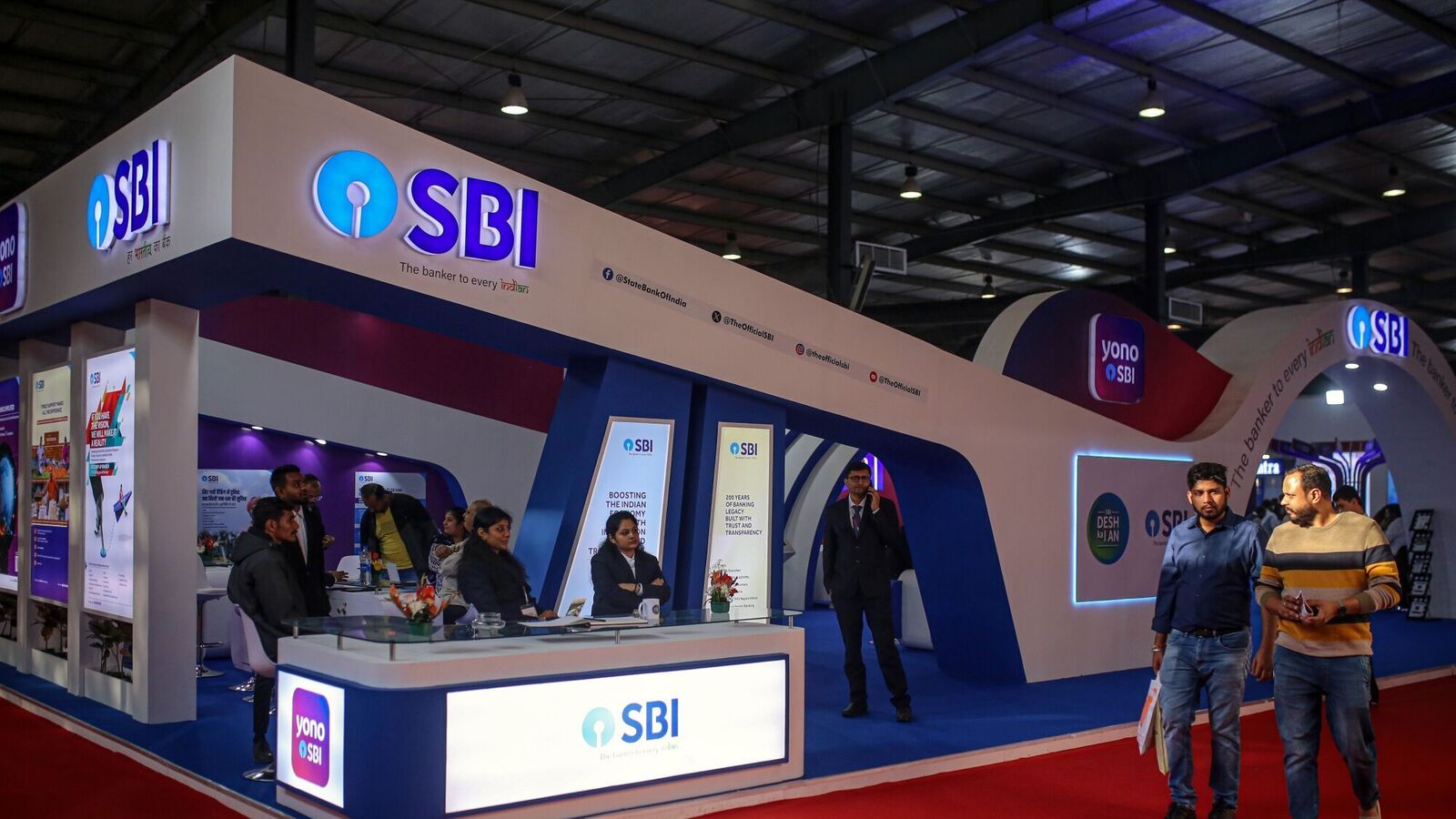
State Bank of India reported a net profit of ₹19,684 crore for the January, March 2026 quarter, a 6% rise compared to the same period last year. The result confirms steady earnings momentum at India's largest public sector lender heading into the new financial year.
What the Numbers Say
A 6% year-on-year profit growth is modest but meaningful for a bank of SBI's scale. The headline figure reflects the bank's ability to sustain earnings even as the broader lending cycle faces pressure from slowing credit growth and tighter liquidity conditions across the Indian banking system.
The source material does not break out net interest income, net interest margin, provisions, or asset quality data for this quarter. Those details, when disclosed, will determine whether the profit gain came from higher lending income, lower bad-loan provisions, or a combination of both, each carrying different signals for the bank's near-term trajectory.
Why It Matters
SBI is the benchmark for Indian public sector banking. Its quarterly results influence how analysts price state-owned bank stocks more broadly and how investors read the health of credit demand across retail, corporate, and agricultural segments. A stable profit print reduces near-term concern about earnings deterioration at the country's dominant lender.
Investors and analysts will focus on asset quality trends, particularly the gross and net non-performing asset ratios, alongside loan growth and margin direction when the full results presentation is released. Any guidance on credit costs or capital adequacy will also shape the market's view on SBI's dividend capacity and lending headroom for FY27.
SBI shares are widely held in domestic mutual funds and index products, so the earnings outcome carries weight beyond direct equity investors. The stock's reaction will likely reflect whether the full results meet, beat, or miss expectations on margin and asset quality, not just the headline profit number.