
Qatar Signals Progress in US-Iran War Talks
Qatar's foreign ministry said mediators including Qatar, Pakistan, and Oman have reached "very progressive stages" in efforts to end the US-Iran war, pushing Brent crude down more than four percent.
Key Takeaways
May 9, 2026 · 2 min read · By Rishabh Bhardwaj
·
AI-assisted, human-reviewed · Our editorial standards
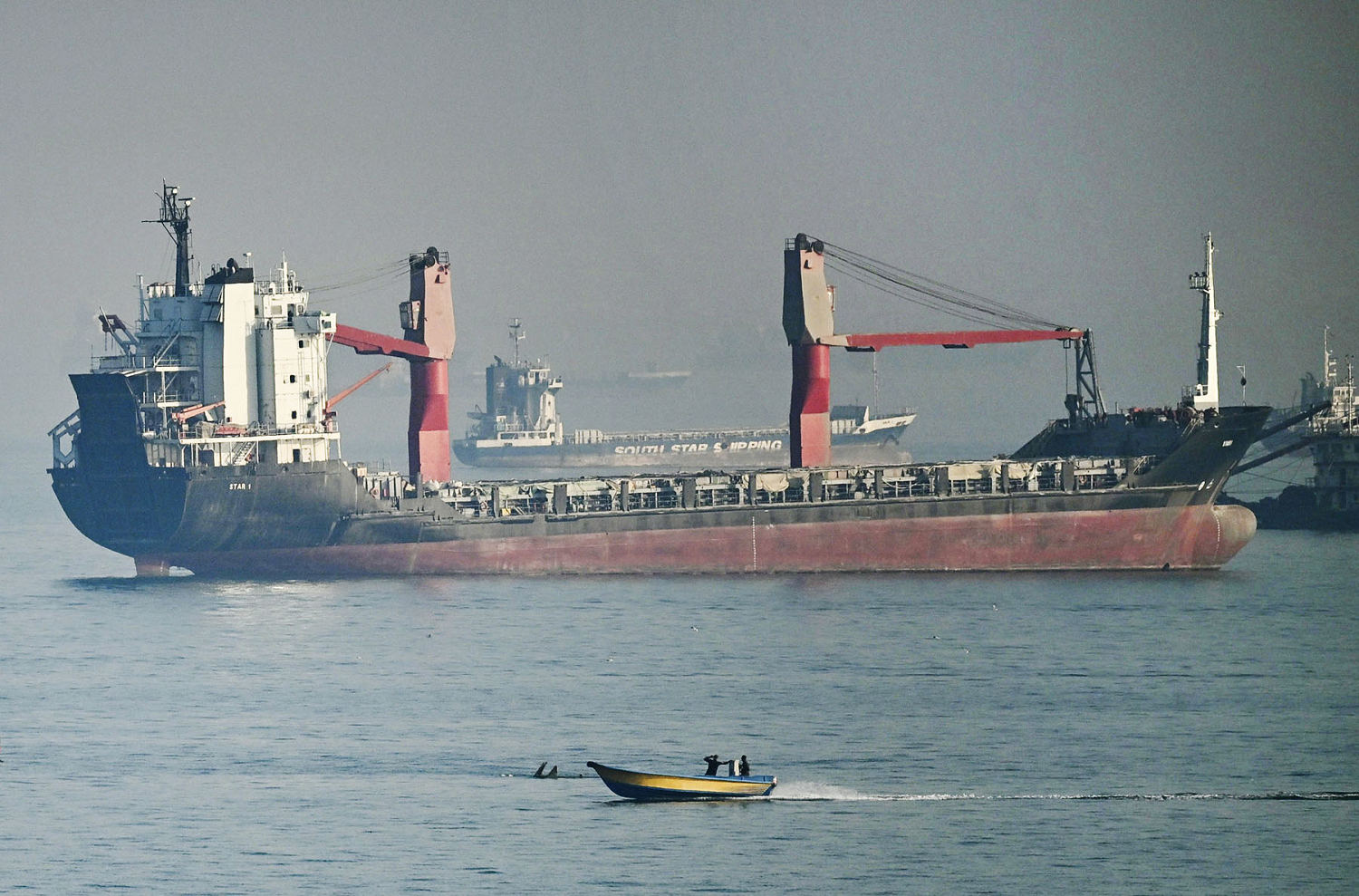
Saudi Arabia privately pushed back against a surprise announcement by President Donald Trump that the U.S. would begin escorting ships through the Strait of Hormuz, with Saudi officials fearing the move could provoke Iran into stepping up attacks on Gulf states.
The initiative, called Project Freedom, was announced without prior coordination with Riyadh, according to officials. That breach of diplomatic protocol angered Saudi leadership, who were not consulted before Trump made the plan public. The Saudis worry that a visible U.S. naval presence guiding commercial traffic through the strait, one of the world's most critical oil shipping lanes, could hand Iran a pretext to escalate.
Roughly 20 percent of global oil supply moves through the Strait of Hormuz, the narrow waterway between Iran and the Arabian Peninsula. Any disruption there, whether from Iranian mines, drone strikes, or naval harassment, can move energy prices sharply. Iran has a long history of threatening to close the strait during periods of U.S.-Iran tension.
Saudi Arabia's concern is not about the goal of keeping the strait open but about timing and method. Riyadh has been carefully managing its relationship with Tehran, including a China-brokered diplomatic normalization in 2023. A unilateral U.S. move that inflames Iran puts those efforts at risk and could pull Gulf states into a confrontation they did not choose.
The episode is a reminder of how Trump's style, announcing major security decisions publicly before consulting allies, can create friction even with close partners. Saudi Arabia hosts U.S. forces and depends on American security guarantees, but it also has economic and political reasons to avoid direct conflict with Iran.
For markets, the key question is whether Iranian behavior changes in response to Project Freedom. A more aggressive Iran in the Gulf could disrupt oil shipments, push up crude prices, and raise insurance costs for tankers operating in the region. None of that has happened yet, but the Saudi concern itself signals that the risk calculus in the Gulf has shifted.
Watch for how Iran responds publicly to the U.S. escort program, whether Gulf states formally object through diplomatic channels, and whether Trump adjusts the initiative's scope after the Saudi pushback.
Qatar's foreign ministry said mediators including Qatar, Pakistan, and Oman have reached "very progressive stages" in efforts to end the US-Iran war, pushing Brent crude down more than four percent.
Qatar confirmed it is mediating between the US and Iran but said no direct talks are currently planned. The clarification follows conflicting statements from President Trump, who claimed talks are under way, and Tehran, which denied any dialogue is happening.
Saudi Aramco reported sharply higher second-quarter 2026 profits as the Iran war restricts global oil supply and pushes crude prices up. Other oil supermajors also posted outsized earnings, raising concerns about sustained fuel cost pressure for importing economies.
President Trump called current Iran negotiations the "last chance" to end five months of conflict, pushing oil prices higher. Tehran denied formal talks are taking place, raising the risk of a diplomatic breakdown with direct consequences for global energy markets.