
Qatar Signals Progress in US-Iran War Talks
Qatar's foreign ministry said mediators including Qatar, Pakistan, and Oman have reached "very progressive stages" in efforts to end the US-Iran war, pushing Brent crude down more than four percent.
Key Takeaways
May 12, 2026 · 3 min read · By Rishabh Bhardwaj
·
AI-assisted, human-reviewed · Our editorial standards
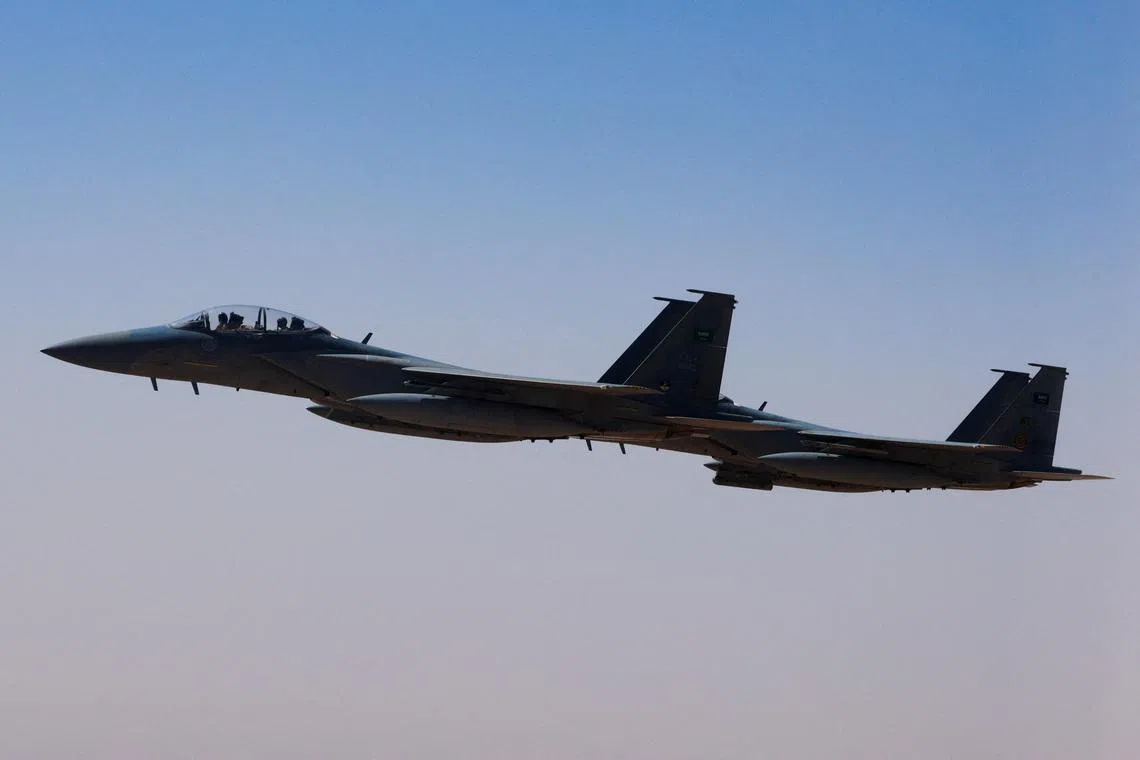
Saudi Arabia secretly carried out multiple retaliatory strikes against Iran during the broader Middle East conflict, according to four officials with direct knowledge of the operations. Two Western officials and two Iranian officials independently confirmed the covert campaign, which was never publicly acknowledged by Riyadh.
The strikes were a direct response to Iranian attacks on Saudi territory. The decision to keep the campaign unpublicized points to a deliberate Saudi strategy: respond with force while avoiding the public escalation that a formal announcement would trigger. That calculation reflects how both Riyadh and Tehran have managed their rivalry for years, using proxy forces and deniable actions rather than open declarations of war.
The disclosure reframes what the public record of the Middle East conflict looked like. While the war was widely understood to involve Iran-backed groups striking Gulf states, the Saudi counter-campaign suggests a direct state-on-state exchange that neither government chose to publicize. That gap between the official narrative and actual events has real consequences for how markets, regional governments, and global powers assess stability in the Gulf.
Oil markets are acutely sensitive to any hint of direct Saudi-Iranian military contact. Saudi Arabia is the world's largest crude exporter and home to the bulk of OPEC's spare production capacity. Iran is a significant producer as well. Even covert conflict between the two carries the risk of miscalculation and escalation, which traders price into oil risk premiums quickly.
For Gulf states and their international partners, the revelation also raises questions about the true scope of the regional war. Publicly, the conflict has been framed largely around Hamas, Hezbollah, and Houthi operations. A direct Saudi strike campaign against Iran sits in a different category entirely, suggesting the war's footprint was wider and more state-directed than official accounts indicated.
The key open questions are the nature and scale of the Saudi strikes, the specific Iranian attacks that triggered them, and whether the covert exchange has ended or is ongoing. None of those details are confirmed in what has been disclosed so far. The sourcing, four officials across two governments, is notable for its breadth, but the information remains limited to the fact of the campaign rather than its full dimensions.
How Riyadh and Tehran respond to this disclosure is also worth tracking. Neither government has publicly confirmed the strikes. Any official reaction, or deliberate silence, will signal whether both sides still prefer to manage this exchange quietly or whether the revelation changes the political calculus for either capital.
For investors and businesses with Gulf exposure, the core concern is whether the covert campaign remains contained. So long as both governments chose not to publicize it, they were signaling a shared interest in keeping the conflict bounded. That mutual restraint is the factor most worth monitoring as more details emerge.
Qatar's foreign ministry said mediators including Qatar, Pakistan, and Oman have reached "very progressive stages" in efforts to end the US-Iran war, pushing Brent crude down more than four percent.
Qatar confirmed it is mediating between the US and Iran but said no direct talks are currently planned. The clarification follows conflicting statements from President Trump, who claimed talks are under way, and Tehran, which denied any dialogue is happening.
Saudi Aramco reported sharply higher second-quarter 2026 profits as the Iran war restricts global oil supply and pushes crude prices up. Other oil supermajors also posted outsized earnings, raising concerns about sustained fuel cost pressure for importing economies.
President Trump called current Iran negotiations the "last chance" to end five months of conflict, pushing oil prices higher. Tehran denied formal talks are taking place, raising the risk of a diplomatic breakdown with direct consequences for global energy markets.