
Qatar Signals Progress in US-Iran War Talks
Qatar's foreign ministry said mediators including Qatar, Pakistan, and Oman have reached "very progressive stages" in efforts to end the US-Iran war, pushing Brent crude down more than four percent.
Key Takeaways
May 26, 2026 · 3 min read · By Rishabh Bhardwaj
·
AI-assisted, human-reviewed · Our editorial standards
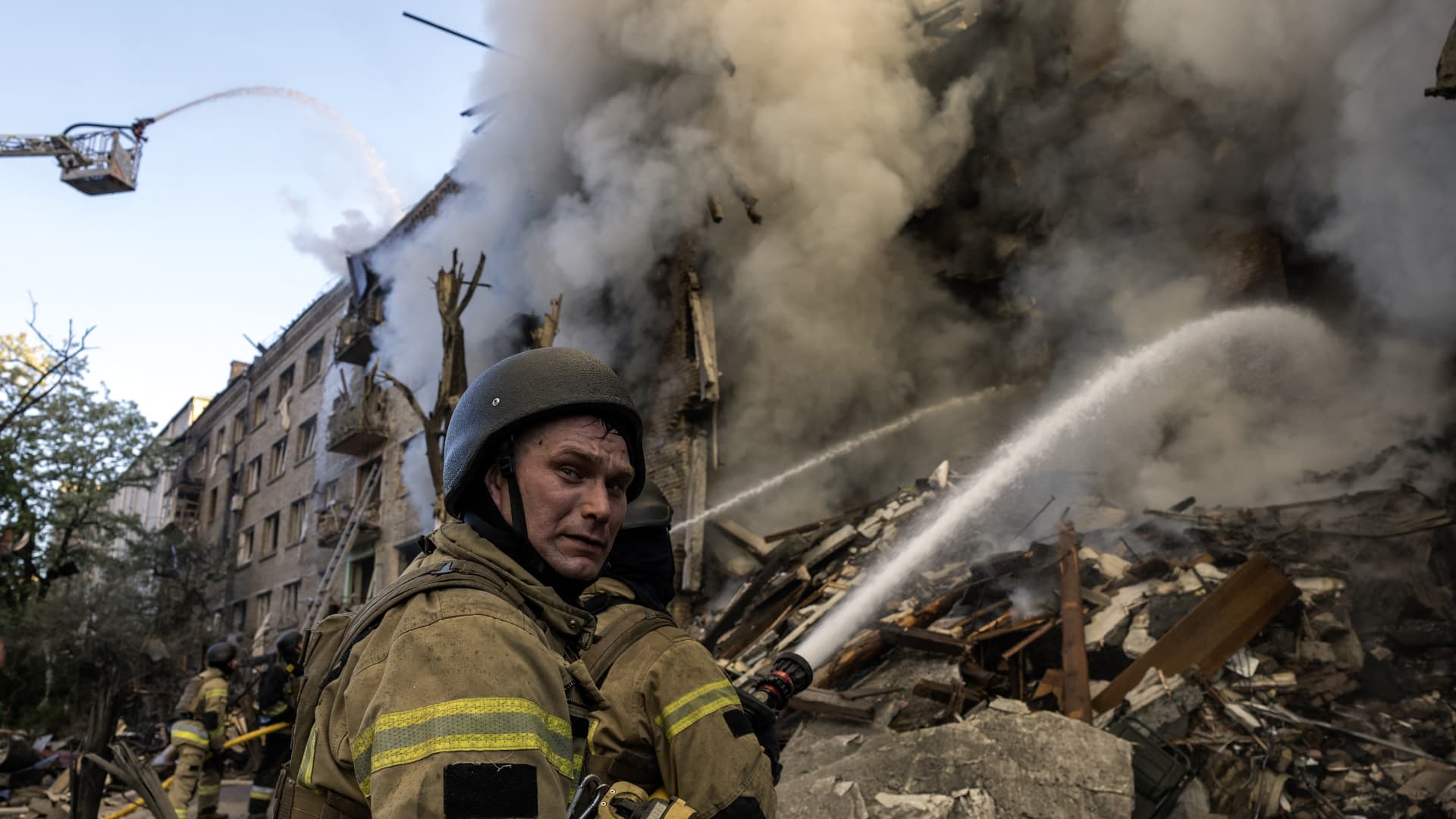
Russia has warned the United States that American citizens should leave Kyiv, telling Secretary of State Marco Rubio directly that Moscow plans to carry out what it described as "systematic and consistent strikes" on the Ukrainian capital.
The warning puts Kyiv on notice as a deliberate, ongoing military target rather than the site of occasional or opportunistic attacks. The word "systematic" in this context signals an intent to strike repeatedly and in a planned sequence, which is a meaningful escalation in Russia's stated posture toward the city.
The message was delivered to Rubio specifically, which makes it a formal diplomatic communication rather than battlefield rhetoric. Directing it at the U.S. Secretary of State suggests Russia wanted Washington to receive and process the warning at the highest available level of the current American diplomatic chain.
For American citizens still in Kyiv, the message is unambiguous: Russia is treating their presence there as their own risk. The advisory effectively places the burden of safety on individuals who remain. Embassies and consular services typically scale back or suspend operations when a host city is formally designated as an active strike target, which would further limit options for Americans who delay leaving.
For Ukraine, the announcement is part of a pressure campaign that targets civilian morale alongside physical infrastructure. Kyiv has endured significant aerial bombardment since Russia's full-scale invasion began in February 2022, including strikes on power facilities, water systems, and residential areas. A declared intent to strike "systematically" raises the operational tempo that Ukrainian air defenses will need to maintain.
Routing this warning through Marco Rubio is notable given the current state of U.S.-Russia-Ukraine diplomacy. Rubio has been a central figure in American engagement with both sides. Russia choosing to alert Washington ahead of a major escalation in Kyiv could reflect several things: a desire to avoid directly harming American nationals, an attempt to drive a wedge between the U.S. and Ukraine by signaling impending danger, or simply a procedural notification consistent with existing diplomatic channels.
It is worth noting that Russia has previously issued warnings before major strike campaigns, though the scale and follow-through have varied. Whether this specific warning precedes an immediate intensification or is part of a broader pressure strategy is not clear from the information available.
What is clear is that Moscow has now publicly committed to a framing of its campaign against Kyiv as structured and deliberate rather than reactive. That framing, once stated, carries its own pressure regardless of the operational details that follow.
For markets and foreign businesses still operating in or near Kyiv, a formal escalation warning from Moscow adds another layer of risk to an already difficult operating environment. Insurance underwriters, logistics operators, and aid organizations will need to reassess exposure. Any significant intensification of strikes on Kyiv would also carry implications for Ukrainian infrastructure bonds and reconstruction financing, which have been closely watched by international lenders.
The next signals to watch are the U.S. State Department's travel advisory status for Ukraine, any movement by other Western embassies in Kyiv, and whether Russia follows the warning with a visible buildup of aerial strike assets.
Qatar's foreign ministry said mediators including Qatar, Pakistan, and Oman have reached "very progressive stages" in efforts to end the US-Iran war, pushing Brent crude down more than four percent.
Qatar confirmed it is mediating between the US and Iran but said no direct talks are currently planned. The clarification follows conflicting statements from President Trump, who claimed talks are under way, and Tehran, which denied any dialogue is happening.
Saudi Aramco reported sharply higher second-quarter 2026 profits as the Iran war restricts global oil supply and pushes crude prices up. Other oil supermajors also posted outsized earnings, raising concerns about sustained fuel cost pressure for importing economies.
President Trump called current Iran negotiations the "last chance" to end five months of conflict, pushing oil prices higher. Tehran denied formal talks are taking place, raising the risk of a diplomatic breakdown with direct consequences for global energy markets.