
Qatar Signals Progress in US-Iran War Talks
Qatar's foreign ministry said mediators including Qatar, Pakistan, and Oman have reached "very progressive stages" in efforts to end the US-Iran war, pushing Brent crude down more than four percent.
Key Takeaways
May 11, 2026 · 2 min read · By Rishabh Bhardwaj
·
AI-assisted, human-reviewed · Our editorial standards
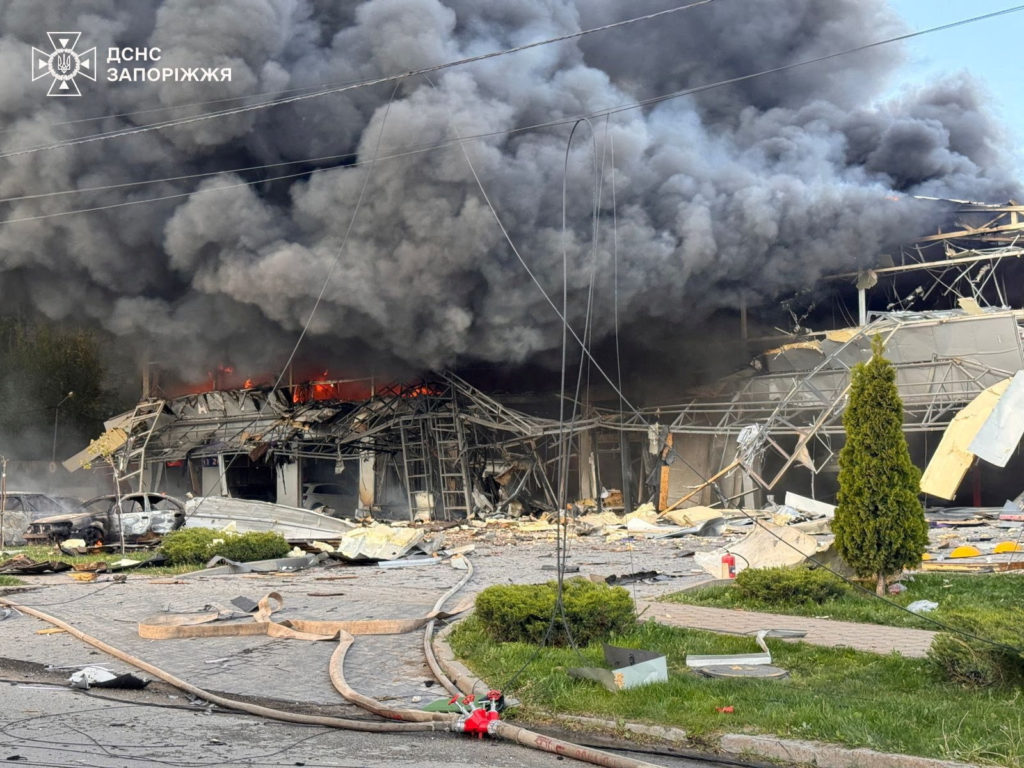
A U.S.-brokered 72-hour ceasefire between Russia and Ukraine is approaching its expiration on Monday, with both sides trading blame for violations that killed at least two people during the truce period. American and European officials are now weighing how to push both countries toward further negotiations before the window closes.
Despite the formal halt in hostilities, fighting continued and resulted in at least two deaths. Russia and Ukraine each accused the other of breaking the terms of the ceasefire, a pattern that complicates any effort to extend or build on the temporary pause. Neither side has publicly accepted responsibility for the violations.
The ceasefire was brokered by the United States, reflecting Washington's continued role as a key mediator in the conflict. Its 72-hour structure was always intended as a short-term measure, with the broader hope that it could open space for longer negotiations.
As the deadline approaches, U.S. and European officials are actively discussing how to channel the situation into more durable talks. The nature of those discussions, whether they involve formal proposals, direct pressure on either government, or multilateral frameworks, has not been detailed in available reporting.
The mutual blame exchange is a significant obstacle. When both parties claim the other fired first, it erodes the foundation needed to negotiate an extension or a follow-on agreement. It also gives each side political cover to resume full hostilities without appearing to be the aggressor.
European involvement signals that the diplomatic effort is not solely a U.S. initiative, though the specific roles of individual European governments or institutions remain unclear from current reporting.
The key question now is whether Western officials can present a credible next step before the ceasefire formally lapses, and whether either Moscow or Kyiv has the political will to engage. The death toll during the truce, however small relative to the broader war, suggests the operational pause was incomplete and will make sustained diplomacy harder to build on.
Qatar's foreign ministry said mediators including Qatar, Pakistan, and Oman have reached "very progressive stages" in efforts to end the US-Iran war, pushing Brent crude down more than four percent.
Qatar confirmed it is mediating between the US and Iran but said no direct talks are currently planned. The clarification follows conflicting statements from President Trump, who claimed talks are under way, and Tehran, which denied any dialogue is happening.
Saudi Aramco reported sharply higher second-quarter 2026 profits as the Iran war restricts global oil supply and pushes crude prices up. Other oil supermajors also posted outsized earnings, raising concerns about sustained fuel cost pressure for importing economies.
President Trump called current Iran negotiations the "last chance" to end five months of conflict, pushing oil prices higher. Tehran denied formal talks are taking place, raising the risk of a diplomatic breakdown with direct consequences for global energy markets.