
Qatar Signals Progress in US-Iran War Talks
Qatar's foreign ministry said mediators including Qatar, Pakistan, and Oman have reached "very progressive stages" in efforts to end the US-Iran war, pushing Brent crude down more than four percent.
Key Takeaways
May 10, 2026 · 2 min read · By Rishabh Bhardwaj
·
AI-assisted, human-reviewed · Our editorial standards
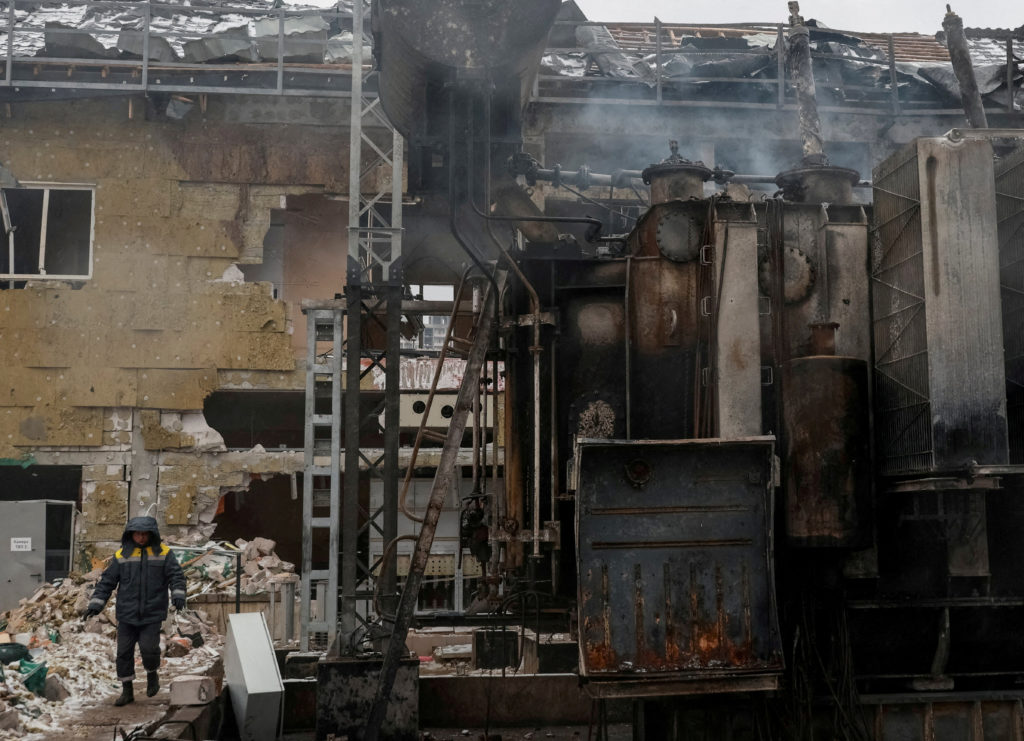
A U.S.-brokered three-day ceasefire between Russia and Ukraine collapsed into mutual recriminations on Sunday, with both sides accusing each other of violations within the first 24 hours. Each country reported casualties from drone and artillery strikes during a period that was meant to pause the fighting.
The breakdown follows a pattern that has defined the war's diplomatic landscape: ceasefires announced with international backing quickly unravel as each side claims the other fired first. This dynamic makes it extremely difficult for any third-party broker, including the United States, to hold agreements together on the ground without a verification mechanism or enforcement presence.
A temporary halt of this kind, even if short-lived, is typically designed to create space for humanitarian corridors, prisoner exchanges, or opening conditions for longer negotiations. Whether any of those goals were pursued or achieved during the window is not confirmed by available reporting.
The U.S. role as broker adds diplomatic weight to the arrangement, but Washington has no troops on the ground to monitor compliance. Without independent observers, both sides can credibly claim victimhood, and neither faces immediate accountability for violations.
The mutual accusations damage the credibility of future ceasefire attempts. Each failed agreement raises the bar for the next round of negotiations, since both sides and their domestic audiences grow more skeptical that the other party will honor any deal.
For markets and investors tracking the war's trajectory, a collapsed ceasefire signals that a near-term negotiated end remains unlikely. That keeps upward pressure on energy prices and defense spending expectations in Europe, and it limits any optimism around reconstruction financing or sanctions relief that would typically accompany a durable pause in hostilities.
The next key signal to watch is whether the United States publicly assigns blame to either party, which would indicate how Washington plans to engage with both sides going forward, and whether a fresh ceasefire attempt is on the table.
Qatar's foreign ministry said mediators including Qatar, Pakistan, and Oman have reached "very progressive stages" in efforts to end the US-Iran war, pushing Brent crude down more than four percent.
Qatar confirmed it is mediating between the US and Iran but said no direct talks are currently planned. The clarification follows conflicting statements from President Trump, who claimed talks are under way, and Tehran, which denied any dialogue is happening.
Saudi Aramco reported sharply higher second-quarter 2026 profits as the Iran war restricts global oil supply and pushes crude prices up. Other oil supermajors also posted outsized earnings, raising concerns about sustained fuel cost pressure for importing economies.
President Trump called current Iran negotiations the "last chance" to end five months of conflict, pushing oil prices higher. Tehran denied formal talks are taking place, raising the risk of a diplomatic breakdown with direct consequences for global energy markets.