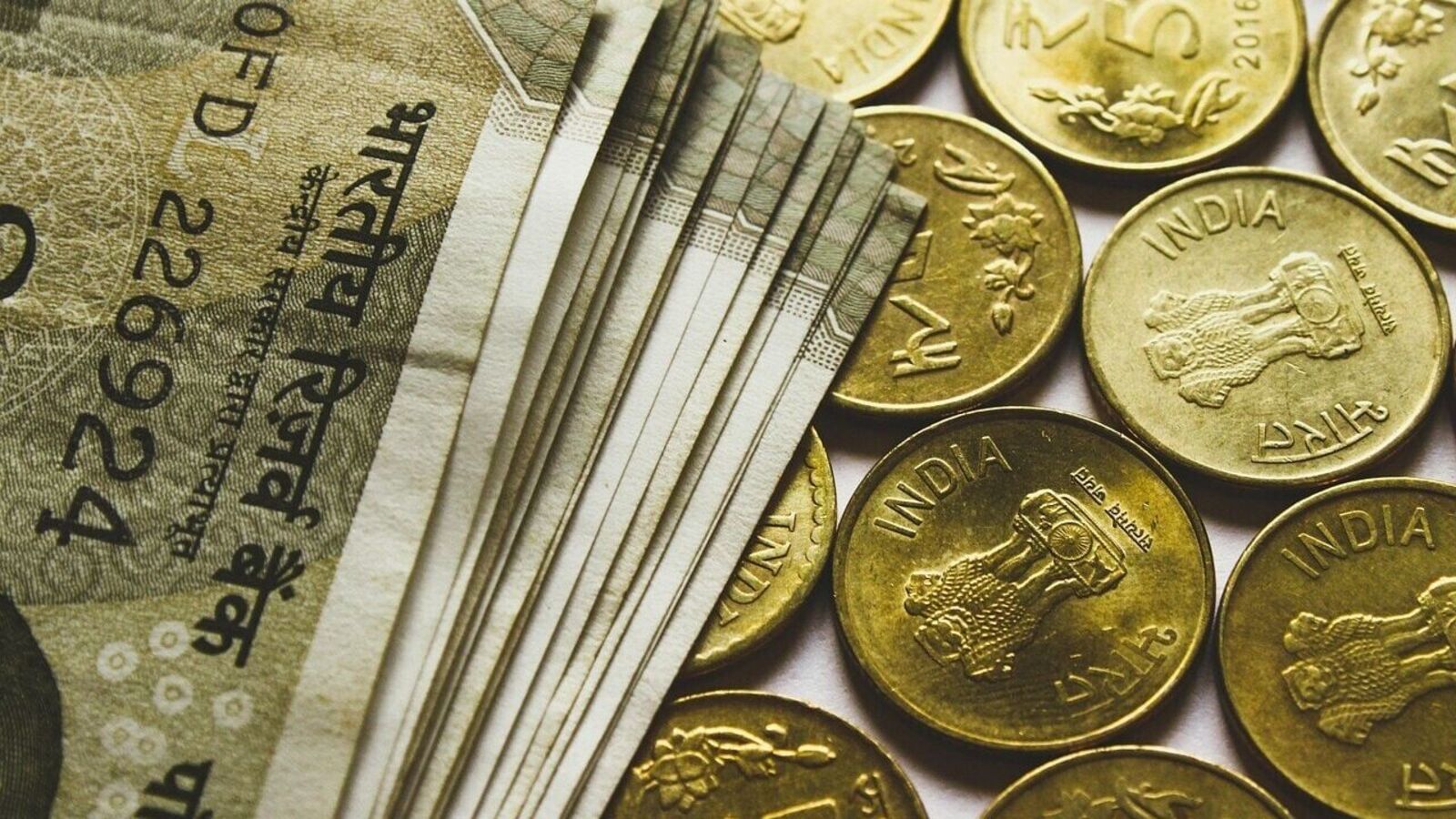
The Indian rupee opened sharply weaker on Thursday, falling 33 paise to trade at 94.58 against the US dollar at the start of the session.
A move of this size at the open points to overnight pressure building in currency markets, most likely driven by a stronger dollar abroad or risk-off sentiment pulling capital away from emerging-market currencies. The rupee has faced persistent headwinds from a firm dollar index, elevated crude oil prices that widen India's trade deficit, and periodic foreign portfolio outflows from domestic equity and debt markets.
Why the Rupee Weakens
India imports the bulk of its crude oil in dollars, so a weaker rupee directly raises the cost of that bill. That feeds through to fuel prices, freight costs, and ultimately consumer prices over time. For companies that borrow in dollars or import raw materials, a softer rupee squeezes margins unless they can pass costs on to buyers.
On the other side, exporters, particularly in software services, pharmaceuticals, and textiles, benefit when the rupee falls, since their dollar earnings convert to more rupees. This creates a natural split in how different sectors respond to currency moves.
What to Watch
The Reserve Bank of India typically intervenes in the foreign exchange market to limit sharp, disorderly moves, selling dollars from its reserves to provide support. The pace and size of any such intervention will shape how far the rupee slides from here. Traders will also watch the dollar index, global crude benchmarks, and any fresh foreign institutional investor flow data for direction through the session.
A sustained move above 94.50 would represent a notable depreciation milestone and could prompt louder calls for RBI action. Importers will look to hedge dollar payables quickly in this environment, while exporters may hold back dollar sales anticipating further weakness.