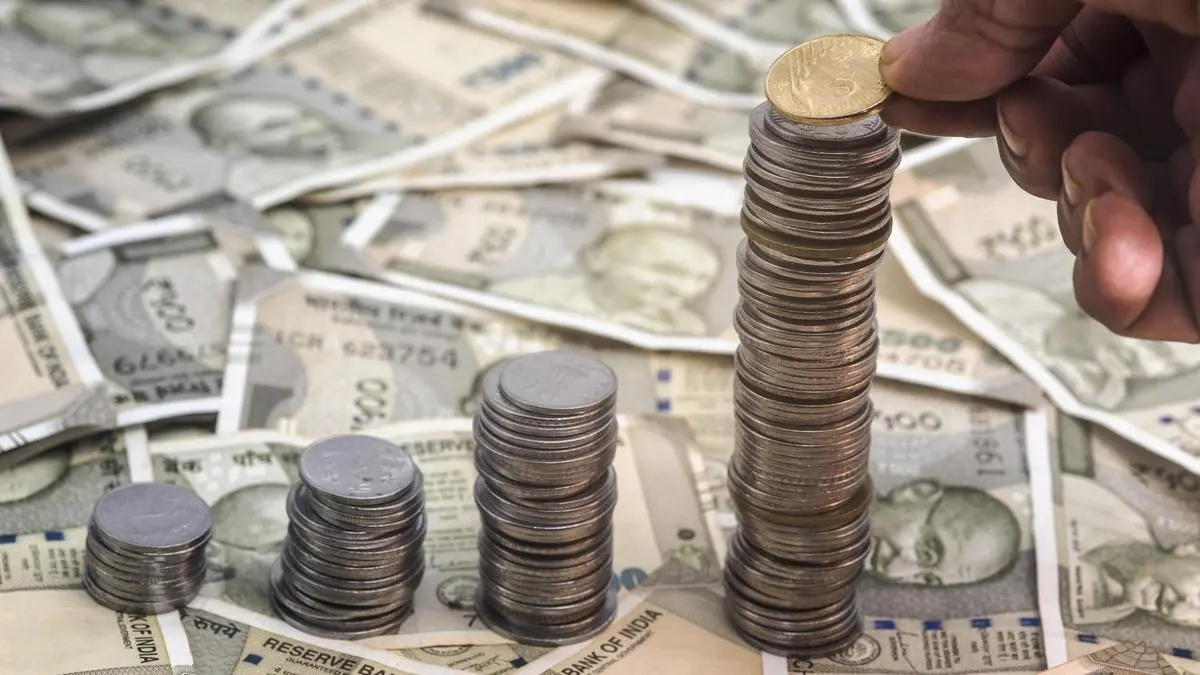
The Indian rupee fell to a record low of 95.55 against the US dollar, pressured by a fresh rise in global oil prices linked to renewed tension between the United States and Iran.
A fraying ceasefire between the US and Iran has pushed oil prices higher again. India imports roughly 85 percent of the oil it consumes, so any sustained rise in crude prices hits the economy through multiple channels at once: a wider trade deficit, higher fuel costs for businesses and consumers, and greater demand for dollars to pay oil import bills. That last effect is a direct driver of rupee weakness.
When oil import payments rise, Indian companies and refiners need to buy more US dollars, which increases dollar demand in the foreign exchange market. If that demand outpaces dollar inflows from exports or foreign investment, the rupee loses ground. That mechanism is playing out now, and it has pushed the currency to a level it has never traded at before.
Why This Record Matters
A weaker rupee raises the cost of everything India buys from abroad, not just oil. Imported electronics, machinery, chemicals, and raw materials all become more expensive when denominated in rupees. Companies that carry dollar-denominated debt face higher repayment costs in local currency terms. Importers see margin pressure, and those costs often pass through to end consumers over time.
At the same time, exporters, particularly software and IT services firms that earn in dollars, benefit from a weaker rupee. Their dollar revenues convert to more rupees, which improves reported earnings. This partial natural hedge means the rupee's fall is not uniformly bad for Indian business, but the net effect depends heavily on whether India is a net importer or exporter in any given sector. Across the economy as a whole, India runs a current account deficit, meaning the country spends more foreign currency than it earns. A weaker rupee makes that gap harder and more expensive to close.
For the Reserve Bank of India, a record low rupee creates a policy dilemma. The central bank can sell US dollars from its foreign exchange reserves to support the rupee, but doing so depletes a buffer that also serves as insurance against broader financial stress. The RBI has historically intervened to manage volatility rather than defend a fixed level, so markets will be watching whether the pace of the decline prompts more active support operations.
What to Watch Next
The immediate driver is oil. If US-Iran tensions ease and crude prices pull back, some pressure on the rupee would lift naturally. If tensions escalate further, oil could move higher still, widening India's import bill and adding fresh selling pressure on the currency.
Broader dollar strength globally also matters. The US dollar tends to gain when geopolitical risk rises, as investors move toward assets seen as safe. That dynamic compounds the rupee's challenge, because a stronger dollar makes all emerging market currencies weaker by comparison.
For Indian markets, a weaker rupee feeds into inflation expectations, since higher import costs tend to work their way into consumer prices over weeks and months. That could limit the RBI's room to cut interest rates even if domestic growth conditions call for easing. Equity markets will likely see divergence, with import-heavy sectors facing cost pressure and export-oriented sectors, especially IT, seeing a short-term tailwind.
The 95.55 level is now the benchmark to watch. Any further slippage could accelerate sentiment-driven selling, while a stabilization near this level would suggest that markets are absorbing the oil shock without a broader loss of confidence in the currency.