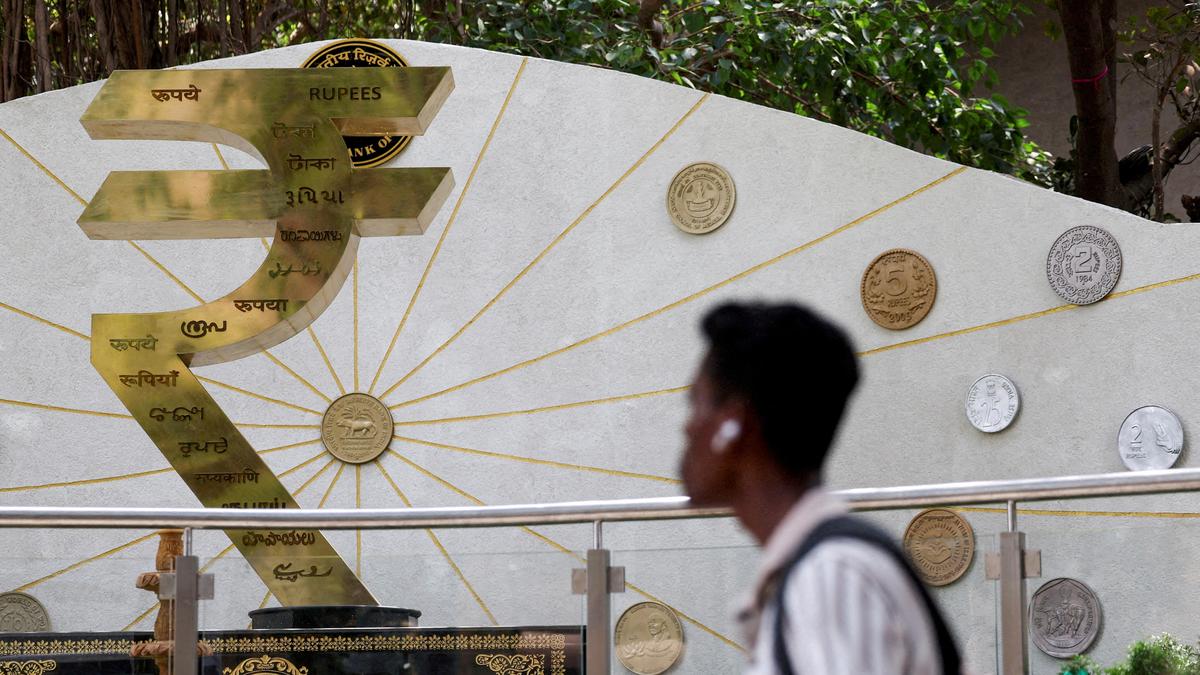
The Indian rupee hit a fresh all-time low of 95.63 against the U.S. dollar in early trade, breaching its previous record and extending a run of pressure on the domestic currency. At the interbank foreign exchange market, the rupee opened at 95.57 before sliding further to the record trough.
The interbank forex market is where banks trade currencies with each other, and the rates set there quickly feed into what businesses and importers pay for dollar-denominated goods and services. A move to a fresh record low, even by a few paise, carries signal value because it suggests selling pressure on the rupee has not found a floor yet.
A weaker rupee raises the cost of everything India imports in dollars. Crude oil, electronics components, edible oils, and capital machinery are all priced in dollars, so a falling rupee pushes up input costs across energy, manufacturing, and food processing sectors. For companies with dollar-denominated debt or import bills, margin pressure builds quickly when the currency slides.
Why it matters now
Currency records tend to attract attention beyond the immediate move because they can trigger stop-loss selling, where traders who had bet on stability automatically sell rupees once a threshold breaks. That mechanical selling can accelerate a slide beyond what underlying fundamentals alone would justify. It also puts the Reserve Bank of India in a difficult position: intervening to defend the rupee costs foreign exchange reserves, while staying on the sidelines risks a sharper fall.
For ordinary consumers, a record low rupee has direct consequences. Fuel prices, which track global crude oil costs priced in dollars, face upward pressure. Imported consumer goods, from electronics to certain medicines, become more expensive over time if the currency weakness persists. Students and families sending money abroad for education or travel also pay more per dollar.
On the other side, exporters, particularly in software services, pharmaceuticals, and textiles, receive more rupees for every dollar they earn overseas. That provides a partial cushion for India's large export sector, though the benefit is unevenly distributed across industries.
What to watch next
The key question is whether this is a short-term overshoot or the start of a sustained depreciation trend. Traders will watch for any statement or action from the Reserve Bank of India, which has historically intervened in the forex market to smooth sharp moves without defending a specific level. Dollar demand from oil importers at the end of the month, global risk sentiment around U.S. monetary policy, and foreign institutional investor flows into Indian equities and bonds will all shape where the rupee heads from here.
For businesses with upcoming import payments or unhedged foreign currency exposure, the record low is a prompt to reassess hedging positions. For bond markets, a persistently weak rupee can complicate the RBI's room to cut interest rates, since lower rates tend to push capital out of the country and weaken the currency further. That tension between supporting growth and defending the exchange rate is worth watching closely in the weeks ahead.