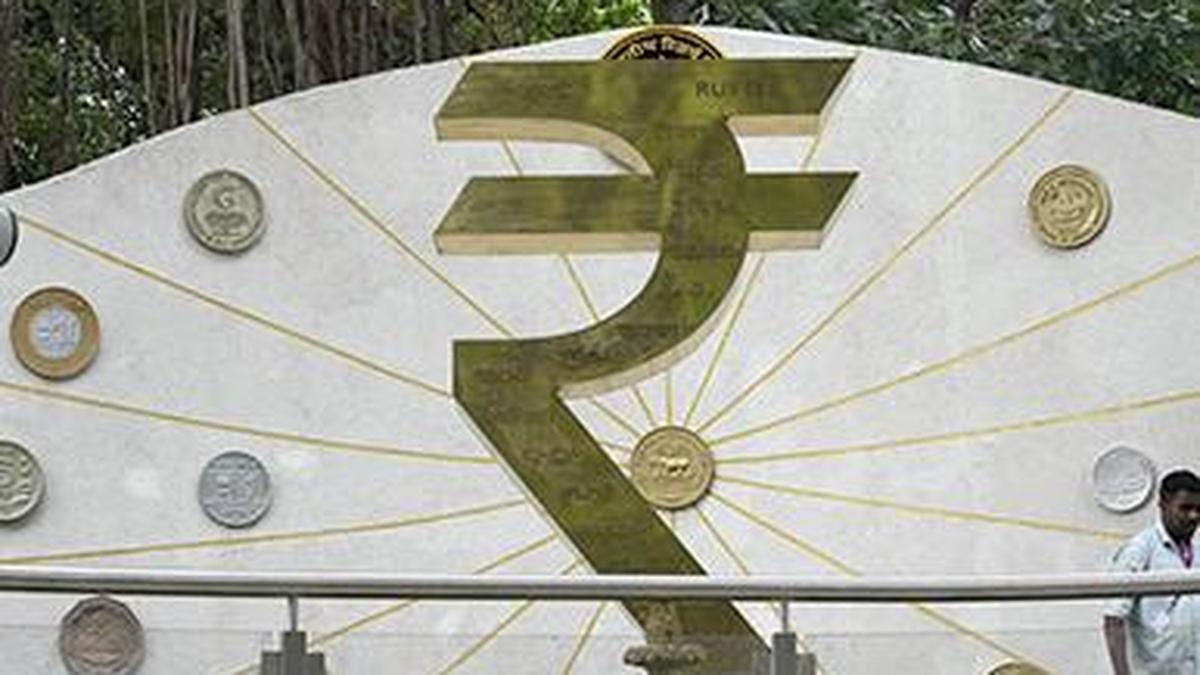
The Indian rupee fell 45 paise to 94.67 against the U.S. dollar in interbank trading, opening at 94.58 before losing ground through the session. The move marks a sharp single-session decline and pushes the rupee to a weaker level against the dollar.
What Drove the Move
The source does not specify a single trigger for the drop, but a 45-paise fall in one session is notable by recent standards. Interbank forex markets reflect real-time demand and supply between banks, and a move of this size typically points to broad dollar demand, risk-off sentiment, or capital outflow pressure, though none of these causes are confirmed in the available report.
The rupee opened at 94.58, suggesting early selling pressure that extended as the session progressed, with the low touching 94.67. The previous close was around 94.22, based on the reported 45-paise decline.
Why It Matters
A weaker rupee raises the cost of imports priced in dollars, crude oil being the most consequential for India. Higher import costs can feed through to fuel prices and inflation more broadly. Companies that borrow in dollars or pay for raw materials in foreign currency also face higher effective costs when the rupee weakens.
On the other side, Indian exporters, particularly in IT services, pharmaceuticals, and textiles, earn more in rupee terms when the dollar strengthens, which can support their margins.
For retail consumers, the more direct effect comes through fuel and imported goods prices if the rupee weakness persists. A one-off session move is less significant than a sustained trend, so the key question is whether today's level holds or extends in coming sessions.
Watch for any Reserve Bank of India intervention, shifts in global dollar strength, and foreign institutional investor flow data, all of which typically influence where the rupee settles next.