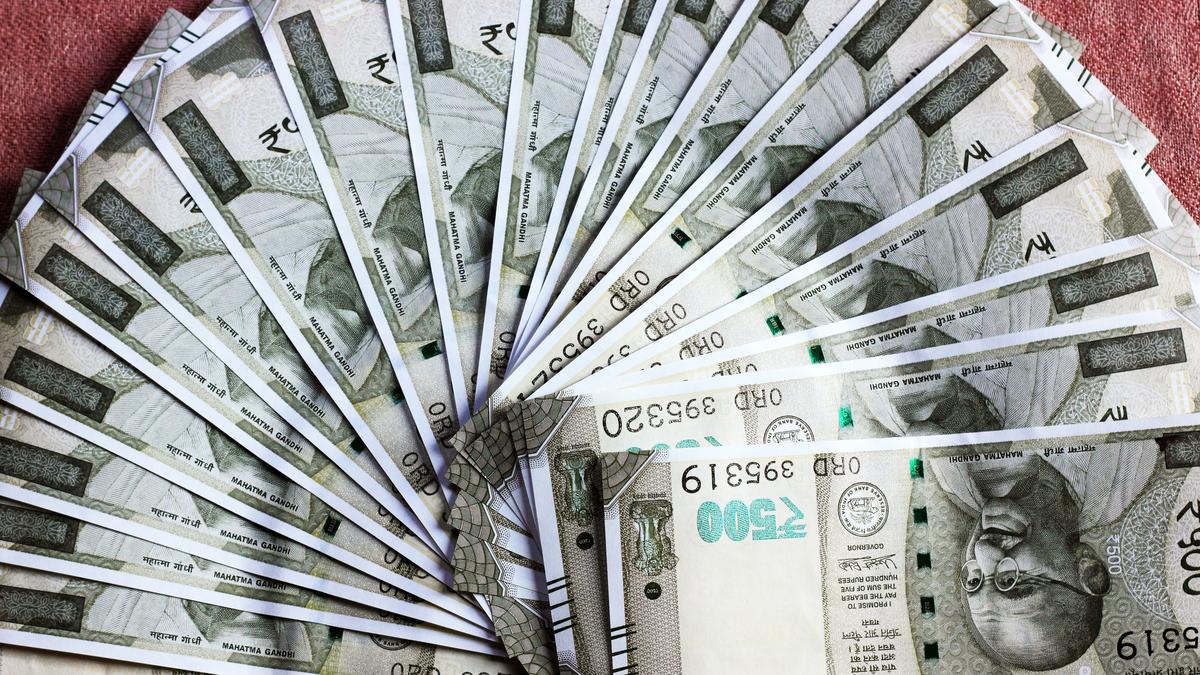
The Indian rupee fell 82 paise on Tuesday to close at 95.31 against the U.S. dollar, its weakest level on record. The drop was driven by a stronger dollar abroad and heavy selling of Indian assets by foreign portfolio investors (FPIs).
What Is Pushing the Rupee Down
The U.S. dollar has been gaining strength globally, which makes most other currencies, including the rupee, weaker by comparison. When the dollar rises, it typically means investors are moving money into dollar-denominated assets, pulling funds out of emerging markets like India.
FPI outflows are the other key pressure point. Foreign investors have been selling Indian stocks and bonds, converting those rupees back into dollars. That adds to rupee supply in the market while demand for the currency stays low, a straightforward recipe for depreciation.
An 82 paise single-session fall is significant. It points to sharp, concentrated selling pressure rather than a slow drift lower.
What This Means in Practice
A weaker rupee raises the cost of anything India imports in dollars, most critically crude oil. Since India imports roughly 85% of its oil, a falling rupee can push up fuel and energy costs for businesses and consumers alike. It also makes imported electronics, industrial components, and medicines more expensive.
On the other side, a weaker rupee helps Indian exporters, particularly software and IT services firms, because their dollar earnings translate into more rupees. But if the fall is too sharp or too fast, it creates uncertainty that businesses find difficult to plan around.
For Indian markets, sustained FPI outflows and a weakening rupee often go together. Foreign selling puts downward pressure on equity prices at the same time as the currency slides, amplifying losses for investors holding rupee assets.
The Reserve Bank of India (RBI) typically intervenes in the forex market to slow excessive volatility, but the article does not indicate whether the central bank acted on Tuesday. Watch for any RBI commentary or intervention signals, and track whether FPI outflows continue or stabilize in the sessions ahead.