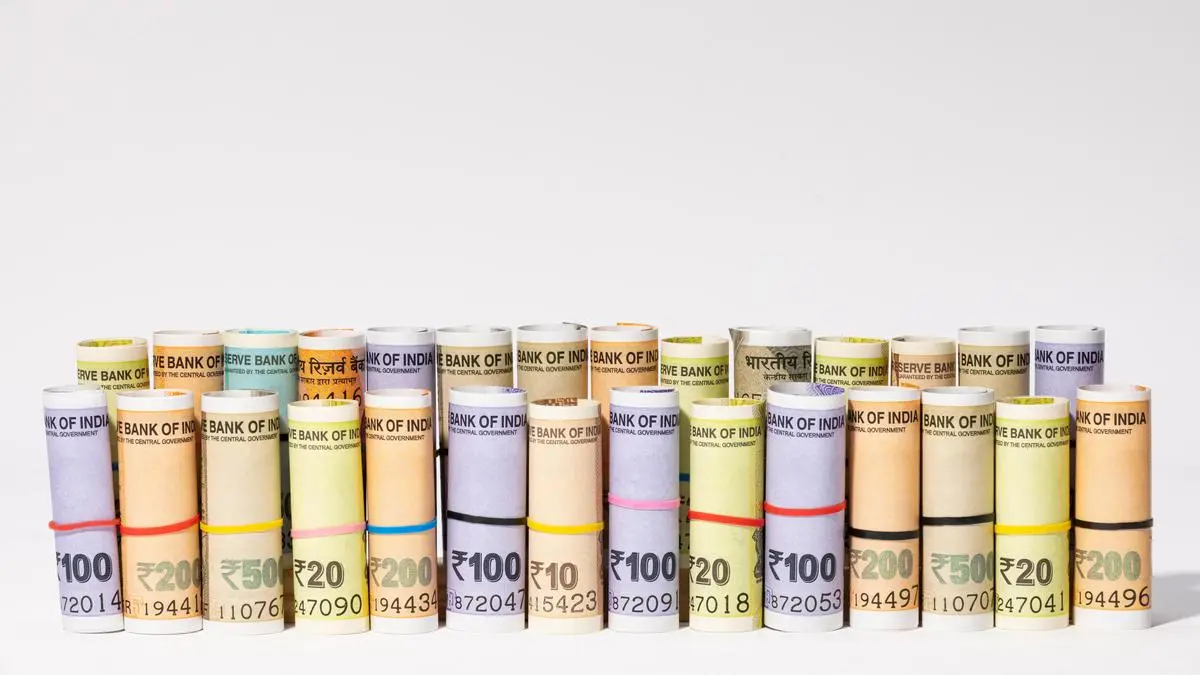
The Indian rupee fell sharply to 94.90 against the US dollar in early trade, a drop of 139 paise, after US President Donald Trump rejected Iran's response to America's nuclear peace proposal. The move marks a significant single-session weakening and signals renewed pressure on emerging market currencies.
What Triggered the Fall
Trump's rejection of Iran's reply to a US-proposed nuclear deal raised fears of a fresh escalation in the Middle East. When geopolitical tension rises in the region, oil prices typically climb, and India, which imports roughly 85% of its crude oil needs, is directly exposed. Higher oil prices widen India's trade deficit and put pressure on the rupee by increasing dollar demand from importers.
The dollar tends to strengthen in moments of global uncertainty as investors move into safe-haven assets. That outflow from riskier markets, including India, adds selling pressure on the rupee from the other side as well.
Why This Move Stands Out
A 139 paise single-session drop is large by recent standards. Currency moves of this scale can ripple quickly: importers scramble to buy dollars, hedging costs rise, and sentiment in equity and bond markets can shift fast. For companies with unhedged dollar liabilities or large import bills, fuel retailers, airlines, and manufacturers relying on overseas inputs, the timing adds to their cost pressure.
Exporters, on the other hand, benefit from a weaker rupee since their overseas revenues convert into more rupees. IT services firms and pharmaceutical exporters are among the sectors that typically gain in these conditions.
The Reserve Bank of India has intervened in the past to smooth sharp rupee moves, though the central bank's stated approach is to prevent excessive volatility rather than defend a specific level. Whether RBI steps in here will be closely watched.
For retail consumers, a persistently weaker rupee eventually feeds into higher prices for imported goods, electronics, edible oils, and fuel chief among them. Near-term, the most immediate watch is where crude oil prices settle and whether US-Iran tensions escalate further or pull back toward negotiation.