West Bengal's second phase of assembly polling recorded a 92.6% voter turnout, pushing the combined two-phase turnout to nearly 93%, the highest in the state since Independence. The figures signal unusually strong voter mobilisation across constituencies covered in both phases. Chief Minister Mamata Banerjee, however, alleged that the BJP was attempting to rig the election at her Bhabanipur constituency, raising the political temperature around one of the most closely watched seats in the state. No specific evidence or official response to the allegation was detailed in available reports. High turnout in Bengal elections has historically cut in multiple directions, benefiting both the ruling Trinamool Congress and opposition parties depending on local dynamics. With several phases still ahead, the record participation in early phases sets a high baseline for overall state turnout. Observers will watch whether the trend holds in remaining phases and whether Banerjee's Bhabanipur margin reflects the broad mobilisation seen statewide.
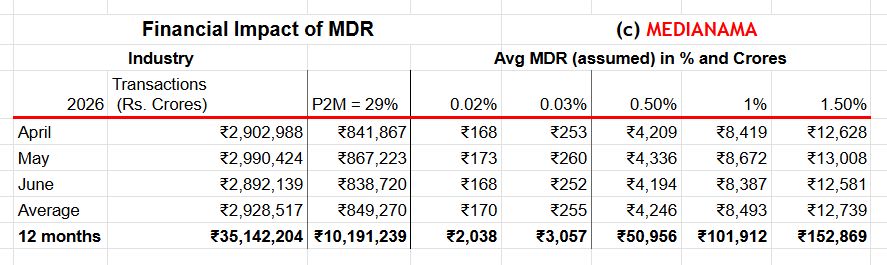
India's government plans to amend the Payment and Settlement Systems Act to restore UPI merchant discount rates, ending the zero-MDR regime in place since January 2020.
India's government has introduced the Taxation and Other Laws (Amendment) Bill, 2026, proposing changes to payments regulation, income tax, and the Finance Act to attract FDI and support Make in India. The Bill's final shape will depend on parliamentary debate and committee review.
The government's Taxation and Other Laws (Amendment) Bill, 2026, proposes to replace the blanket UPI MDR ban with a system allowing the Centre to notify which payment modes stay fee-free.
Prime Minister Narendra Modi inaugurated the Rs 5,000 crore Bhogapuram greenfield airport in Andhra Pradesh, built under a public-private partnership model. He also laid foundation stones for infrastructure projects worth nearly Rs 18,000 crore in the state, signalling a broad investment push for the region.