The Reserve Bank of India (RBI) is extending its regulatory reach to offshore rupee derivative markets. Authorized dealers, banks permitted to handle foreign exchange, must now report over-the-counter (OTC) FX contracts to the RBI. This covers both deliverable contracts, where actual currency changes hands, and non-deliverable forwards (NDFs), which are settled in dollars without physical rupee exchange. NDFs are widely used offshore to bet on or hedge the rupee's direction. The RBI's core concern is price discovery, how the rupee's exchange rate gets set. Offshore NDF markets have long influenced onshore rupee rates, sometimes amplifying swings that Indian regulators cannot directly control. Bringing these trades into a reporting framework gives the RBI visibility into positions and flows it previously could not see. Implementation will roll out in phases starting July 2027, giving banks time to build the necessary reporting infrastructure. The immediate compliance burden falls on authorized dealer banks active in FX markets. Watch for whether greater transparency in offshore positioning reduces sharp rupee moves during periods of global stress.
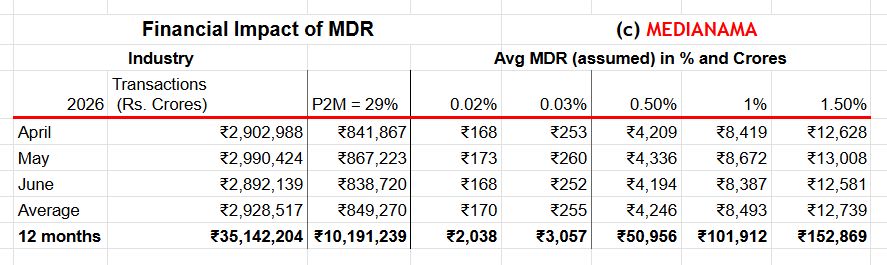
India's government plans to amend the Payment and Settlement Systems Act to restore UPI merchant discount rates, ending the zero-MDR regime in place since January 2020.
India's government has introduced the Taxation and Other Laws (Amendment) Bill, 2026, proposing changes to payments regulation, income tax, and the Finance Act to attract FDI and support Make in India. The Bill's final shape will depend on parliamentary debate and committee review.
The government's Taxation and Other Laws (Amendment) Bill, 2026, proposes to replace the blanket UPI MDR ban with a system allowing the Centre to notify which payment modes stay fee-free.
Prime Minister Narendra Modi inaugurated the Rs 5,000 crore Bhogapuram greenfield airport in Andhra Pradesh, built under a public-private partnership model. He also laid foundation stones for infrastructure projects worth nearly Rs 18,000 crore in the state, signalling a broad investment push for the region.