
Qatar Signals Progress in US-Iran War Talks
Qatar's foreign ministry said mediators including Qatar, Pakistan, and Oman have reached "very progressive stages" in efforts to end the US-Iran war, pushing Brent crude down more than four percent.
Key Takeaways
May 10, 2026 · 2 min read · By Rishabh Bhardwaj
·
AI-assisted, human-reviewed · Our editorial standards
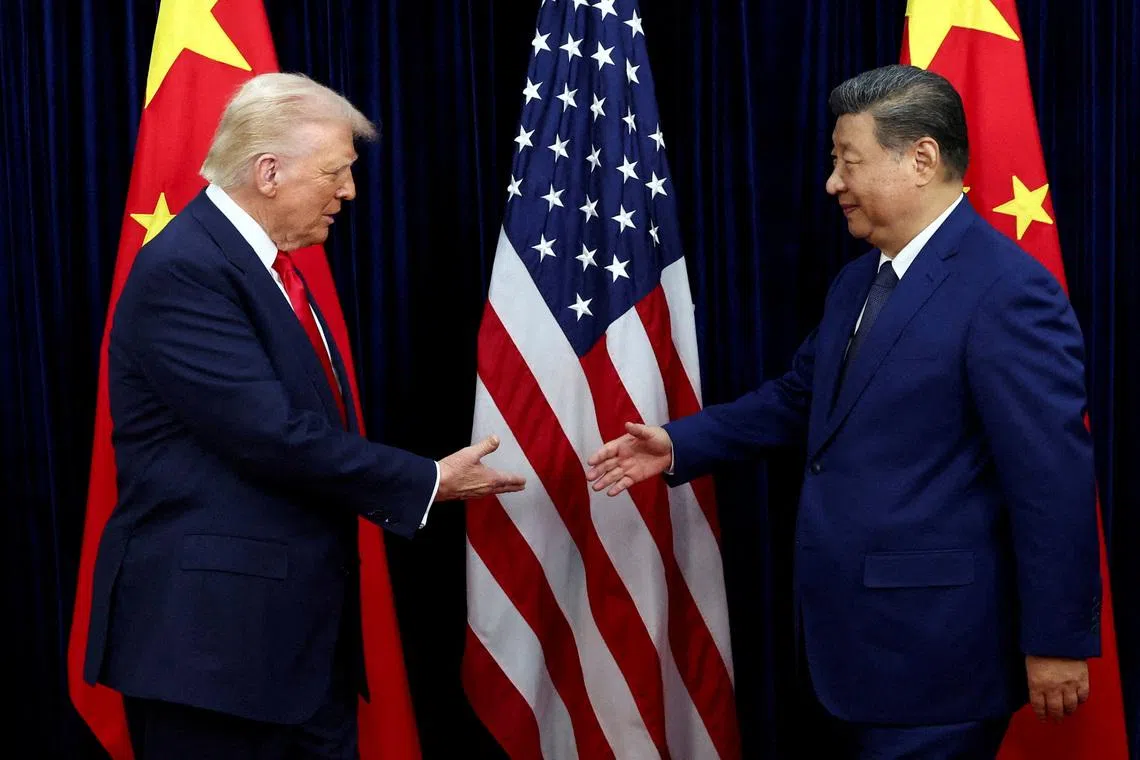
A rare earths agreement between the United States and China remains active, a senior U.S. official confirmed on Sunday. The official added that an extension of the deal would be announced at the appropriate time, signaling that both sides are working to keep the arrangement alive beyond its current terms.
Rare earths are a group of 17 metals used in the production of electric vehicles, defense systems, consumer electronics, and clean energy equipment. China controls the dominant share of global rare earth mining and processing, giving it significant leverage in any trade dispute with the United States.
The agreement sits at the intersection of trade policy and national security. Without reliable access to rare earths, U.S. manufacturers of military hardware, EV batteries, and semiconductors face real supply constraints. China has previously signaled willingness to use rare earth exports as a trade lever, making any formal arrangement between the two countries strategically important.
The official's statement came amid broader U.S.-China trade negotiations, where both sides have been navigating tariffs and export controls across multiple sectors. Confirming the deal is intact sends a signal to markets and industry that at least this supply channel remains open.
The timing of the formal extension announcement is the key variable. An indefinite deal with no confirmed renewal date introduces uncertainty for companies that depend on rare earth inputs for long-term production planning. Any delay or breakdown in extension talks could prompt manufacturers to accelerate efforts to diversify supply chains away from China, a trend already underway but still far from complete.
For now, the official's confirmation reduces immediate supply-disruption risk. But the absence of a specific timeline for the extension announcement leaves the situation open to change quickly.
Qatar's foreign ministry said mediators including Qatar, Pakistan, and Oman have reached "very progressive stages" in efforts to end the US-Iran war, pushing Brent crude down more than four percent.
Qatar confirmed it is mediating between the US and Iran but said no direct talks are currently planned. The clarification follows conflicting statements from President Trump, who claimed talks are under way, and Tehran, which denied any dialogue is happening.
Saudi Aramco reported sharply higher second-quarter 2026 profits as the Iran war restricts global oil supply and pushes crude prices up. Other oil supermajors also posted outsized earnings, raising concerns about sustained fuel cost pressure for importing economies.
President Trump called current Iran negotiations the "last chance" to end five months of conflict, pushing oil prices higher. Tehran denied formal talks are taking place, raising the risk of a diplomatic breakdown with direct consequences for global energy markets.