India to Restore UPI Merchant Fees, PhonePe Gains Most
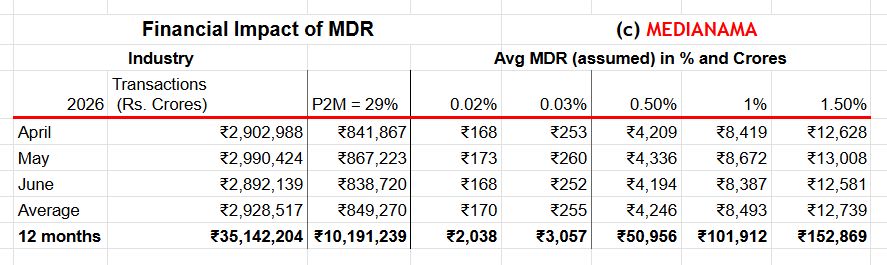
India's government plans to amend the Payment and Settlement Systems Act to restore UPI merchant discount rates, ending the zero-MDR regime in place since January 2020.
Key Takeaways
June 12, 2026 · 3 min read · By Rishabh Bhardwaj
·
AI-assisted, human-reviewed · Our editorial standards
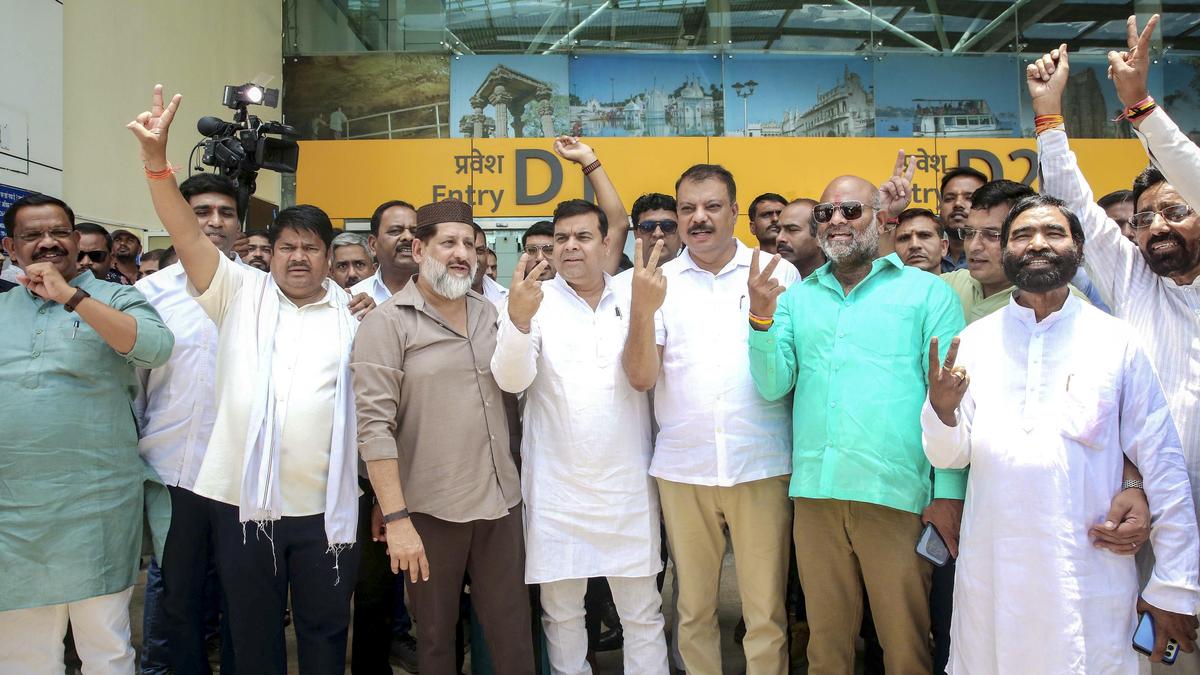
The Madhya Pradesh Congress has moved its MLAs to Bengaluru ahead of Rajya Sabha elections, citing fears of cross-voting and alleged attempts by the BJP to poach its legislators with financial inducements.
Several Congress MLAs from Madhya Pradesh have told media that they are being approached on behalf of the BJP with what they describe as lucrative offers, though no specific figures or intermediaries have been named publicly. The party's response has been to relocate its legislators out of state, a tactic that keeps them physically away from potential contact and signals that leadership takes the threat seriously.
Bengaluru has become a familiar safe house for opposition parties protecting their numbers before key votes. With the Congress governing Karnataka, the city offers both political cover and a controlled environment where access to legislators can be managed. Relocating MLAs to a friendly state is a defensive move that has been used repeatedly in Indian politics when parties believe their floor strength is at risk.
Rajya Sabha elections use a preferential voting system where state legislators vote to fill upper house seats. Unlike a general election, the process is not secret in the same way: votes are cast on a ballot that party agents can verify, but the risk of cross-voting, where a legislator defies party instructions and votes for a rival candidate, is real and has swung outcomes before. A single defection in a closely contested seat can shift the result.
The fact that Congress felt compelled to move its MLAs suggests the seat math in Madhya Pradesh is tight enough that individual votes matter. The BJP holds a commanding majority in the Madhya Pradesh assembly, which means it is well-placed to win the seats its numbers entitle it to. The concern for Congress is not losing a seat it was guaranteed to win, but rather seeing its vote share bleed in a way that could cost it in a marginal contest or embarrass the party by exposing internal weakness.
Allegations of vote-buying and poaching are a recurring feature of Rajya Sabha election cycles in India. The Election Commission has rules against corrupt practices at elections, but enforcement in cases involving alleged private inducements is difficult. The standard party response, as seen here, is not to rely on enforcement alone but to remove the opportunity by taking legislators out of reach.
Congress has not specified how many MLAs have been shifted or for how long they will remain in Bengaluru. The party has also not named anyone it believes is responsible for the alleged approaches. The BJP has not issued a public response to the cross-voting allegations as reported in the input.
For Congress, the episode is a test of internal cohesion at a moment when the party has limited assembly presence in Madhya Pradesh. Losing even one legislator to a rival's offer would hand the BJP a political narrative about Congress unity, independent of any seat outcome. The move to Bengaluru is as much about managing optics and morale as it is about protecting actual votes.
What to watch: whether any MLA publicly breaks ranks before polling day, whether the Election Commission receives formal complaints about the alleged approaches, and whether the final vote tallies reflect any deviation from expected party lines. The outcome will either validate Congress's caution or confirm that the threat was overstated.
India's government plans to amend the Payment and Settlement Systems Act to restore UPI merchant discount rates, ending the zero-MDR regime in place since January 2020.
India's government has introduced the Taxation and Other Laws (Amendment) Bill, 2026, proposing changes to payments regulation, income tax, and the Finance Act to attract FDI and support Make in India. The Bill's final shape will depend on parliamentary debate and committee review.
The government's Taxation and Other Laws (Amendment) Bill, 2026, proposes to replace the blanket UPI MDR ban with a system allowing the Centre to notify which payment modes stay fee-free.
Prime Minister Narendra Modi inaugurated the Rs 5,000 crore Bhogapuram greenfield airport in Andhra Pradesh, built under a public-private partnership model. He also laid foundation stones for infrastructure projects worth nearly Rs 18,000 crore in the state, signalling a broad investment push for the region.