
Qatar Signals Progress in US-Iran War Talks
Qatar's foreign ministry said mediators including Qatar, Pakistan, and Oman have reached "very progressive stages" in efforts to end the US-Iran war, pushing Brent crude down more than four percent.
Key Takeaways
May 9, 2026 · 2 min read · By Rishabh Bhardwaj
·
AI-assisted, human-reviewed · Our editorial standards
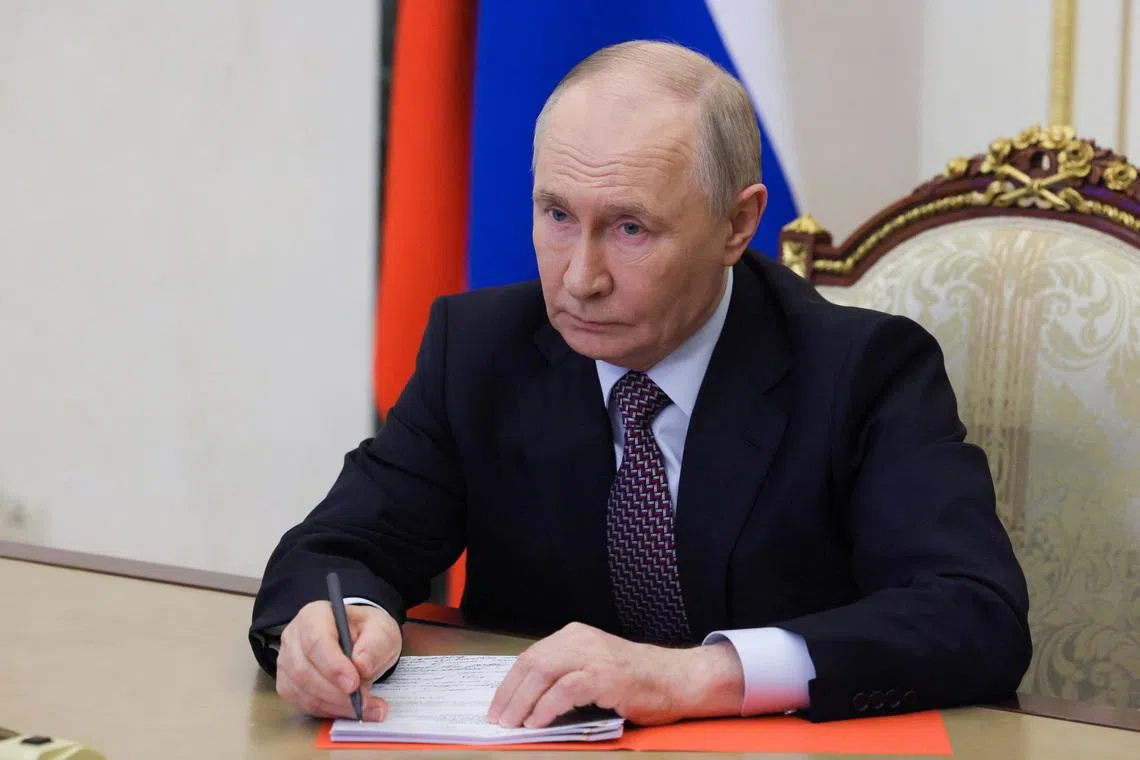
Russian President Vladimir Putin said on Saturday that he believes the war in Ukraine is coming to an end. The remarks, made in Moscow, were brief and offered no timeline, conditions, or details about what kind of resolution he envisions.
The statement is notable for what it leaves out. Putin gave no indication of whether he meant a ceasefire, a negotiated settlement, or a military conclusion on Russia's terms. He did not name any talks, mediators, or benchmarks. The remark stands alone as a signal, not an announcement.
The timing matters. The statement came on May 9, Russia's Victory Day, the annual commemoration of the Soviet Union's defeat of Nazi Germany in World War II. Putin routinely uses the occasion for nationally significant statements, which means the remark was deliberate rather than offhand.
Any credible signal that the conflict could wind down carries real consequences. European energy markets, defense spending plans across NATO members, and global grain and fertilizer prices have all been shaped by the war since it began in February 2022. A genuine move toward resolution would reprice all of those simultaneously.
But a single sentence from Putin on a symbolic national holiday is a long way from a ceasefire table. Ukraine's government has not responded to this specific remark, and no third-party mediator has confirmed active talks. The gap between a rhetorical signal and a verifiable diplomatic process remains wide.
Watch for follow-up statements from the Kremlin, any response from Kyiv, and whether international mediators, including the United States, Turkey, or Gulf states that have previously facilitated contact, reference Putin's words in the days ahead. Silence from all sides would suggest the remark was more symbolic than substantive.
Qatar's foreign ministry said mediators including Qatar, Pakistan, and Oman have reached "very progressive stages" in efforts to end the US-Iran war, pushing Brent crude down more than four percent.
Qatar confirmed it is mediating between the US and Iran but said no direct talks are currently planned. The clarification follows conflicting statements from President Trump, who claimed talks are under way, and Tehran, which denied any dialogue is happening.
Saudi Aramco reported sharply higher second-quarter 2026 profits as the Iran war restricts global oil supply and pushes crude prices up. Other oil supermajors also posted outsized earnings, raising concerns about sustained fuel cost pressure for importing economies.
President Trump called current Iran negotiations the "last chance" to end five months of conflict, pushing oil prices higher. Tehran denied formal talks are taking place, raising the risk of a diplomatic breakdown with direct consequences for global energy markets.