
Qatar Signals Progress in US-Iran War Talks
Qatar's foreign ministry said mediators including Qatar, Pakistan, and Oman have reached "very progressive stages" in efforts to end the US-Iran war, pushing Brent crude down more than four percent.
Key Takeaways
June 14, 2026 · 3 min read · By Rishabh Bhardwaj
·
AI-assisted, human-reviewed · Our editorial standards
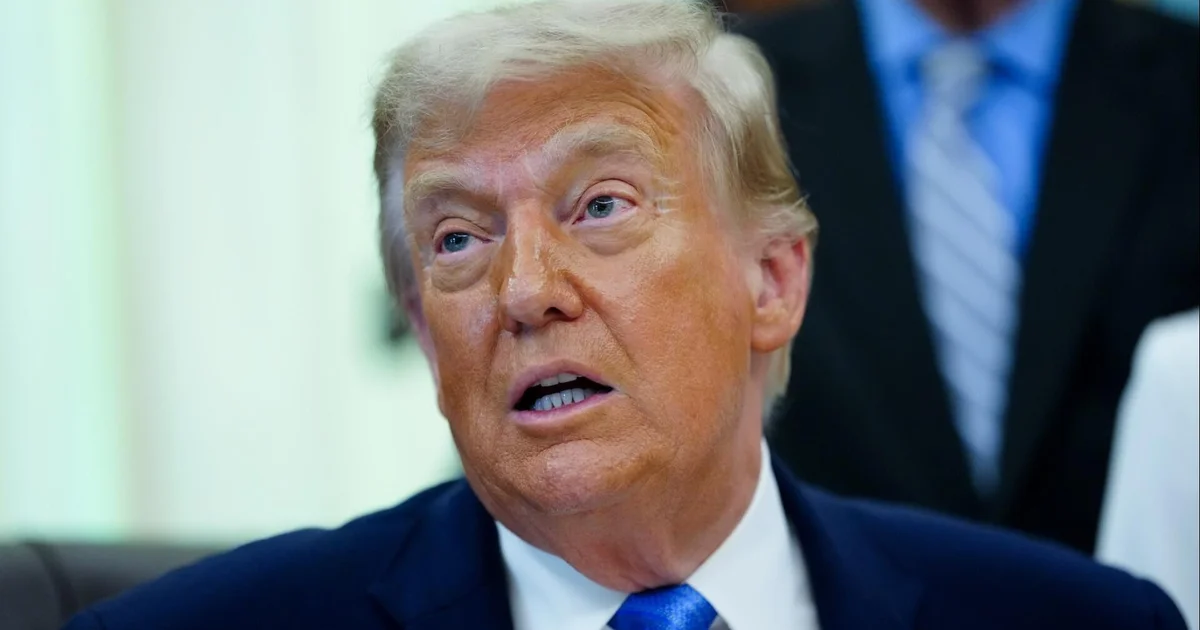
President Donald Trump said on Sunday that a potential nuclear agreement with Iran could be signed over the weekend, describing the deal documents as being in "pretty final shape." A key term Trump named publicly: any agreement would require Iran to open the Strait of Hormuz to international shipping.
The Strait of Hormuz is the narrow waterway between Iran and Oman through which roughly 20 percent of the world's traded oil passes. Any disruption there sends energy prices sharply higher across global markets. A formal Iranian commitment to keep it open would remove one of the most persistent geopolitical risk premiums baked into crude oil prices.
Trump's announcement came within hours of him warning that the United States was prepared to strike Iranian civilian infrastructure and potentially seize Iran's energy facilities if talks failed. That sequence, a sharp threat followed quickly by an optimistic deal signal, reflects the negotiating pattern the administration has used in other high-stakes diplomatic contexts.
Beyond the Strait of Hormuz provision, the specific terms of any agreement have not been publicly detailed. Trump's characterization of the documents as "pretty final shape" suggests negotiations have advanced past early-stage talks, but no signed text has been released. The White House has not confirmed a signing date, and Iranian officials have not publicly confirmed the same timeline.
The threat to target civilian infrastructure and energy facilities represents a significant escalation in public rhetoric, even by the standards of the current standoff. Strikes on energy infrastructure would under most interpretations constitute a major act of war, and the speed with which Trump pivoted to deal optimism suggests the hardline language was intended as negotiating leverage rather than operational intent, though that distinction matters only if a deal is actually reached.
A credible, verifiable commitment from Iran to keep the Strait of Hormuz open would be the single most market-relevant clause in any agreement. Oil traders price in a persistent risk premium tied to Hormuz closure scenarios. If a deal removes or reduces that risk, the near-term effect would likely be downward pressure on crude prices, which would feed through to fuel costs, shipping rates, and inflation expectations globally.
For India, the stakes are especially direct. India is one of the largest importers of Middle Eastern crude, and a significant share of that supply transits the Strait of Hormuz. Stable passage through the strait keeps import costs more predictable and reduces the currency pressure that comes with oil price spikes. Indian refiners and the government budget are both sensitive to sustained moves in Brent crude.
More broadly, a U.S.-Iran deal, if completed, would mark the most significant shift in the bilateral relationship in years. It would affect the sanctions architecture that currently limits Iranian oil exports, potentially adding supply to a global market that has been managing tight inventories. Additional Iranian barrels reaching the market could put further downward pressure on prices, depending on how quickly sanctions were wound back and whether OPEC production decisions adjusted in response.
The immediate question is whether Trump's weekend timeline holds. Deals described as near-final have slipped before in U.S.-Iran negotiations, and the gap between a public optimistic signal and a signed, verified agreement can be wide. Verification and enforcement mechanisms, which are the hard part of any nuclear deal, have not been described publicly.
What to watch: whether Iranian officials confirm the same timeline publicly, whether a signed document is released with specific terms, and how energy markets price the news when trading resumes. Any confirmation that a deal is real and binding would move oil markets quickly.
Qatar's foreign ministry said mediators including Qatar, Pakistan, and Oman have reached "very progressive stages" in efforts to end the US-Iran war, pushing Brent crude down more than four percent.
Qatar confirmed it is mediating between the US and Iran but said no direct talks are currently planned. The clarification follows conflicting statements from President Trump, who claimed talks are under way, and Tehran, which denied any dialogue is happening.
Saudi Aramco reported sharply higher second-quarter 2026 profits as the Iran war restricts global oil supply and pushes crude prices up. Other oil supermajors also posted outsized earnings, raising concerns about sustained fuel cost pressure for importing economies.
President Trump called current Iran negotiations the "last chance" to end five months of conflict, pushing oil prices higher. Tehran denied formal talks are taking place, raising the risk of a diplomatic breakdown with direct consequences for global energy markets.