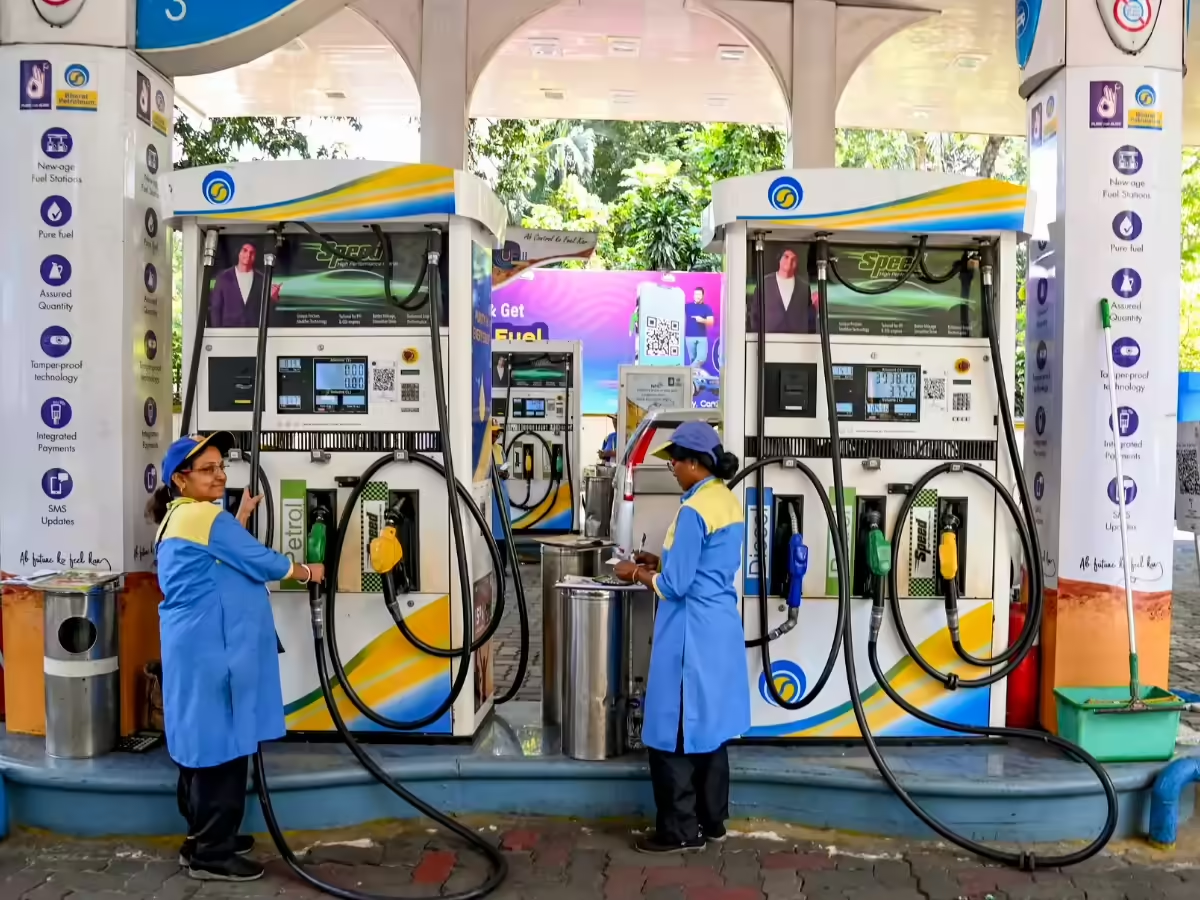
Government sources have not ruled out a petrol and diesel price hike in the near future, signaling that a freeze on retail fuel prices may be close to breaking. State-owned oil companies have been absorbing losses for an extended period as global crude prices have surged, while pump prices in India have stayed unchanged for four years. That gap between what oil firms pay for crude and what they charge consumers has built up pressure on their finances. The mechanism is straightforward: when retail prices are held below import costs, oil marketing companies take the loss on every litre sold, which erodes their margins and balance sheets over time. A price hike would shift some of that burden back to consumers. Drivers and logistics businesses would feel the direct cost impact, and any fuel price increase typically feeds into broader inflation through higher transport costs. Watch for an official announcement from the oil ministry or the oil marketing companies.
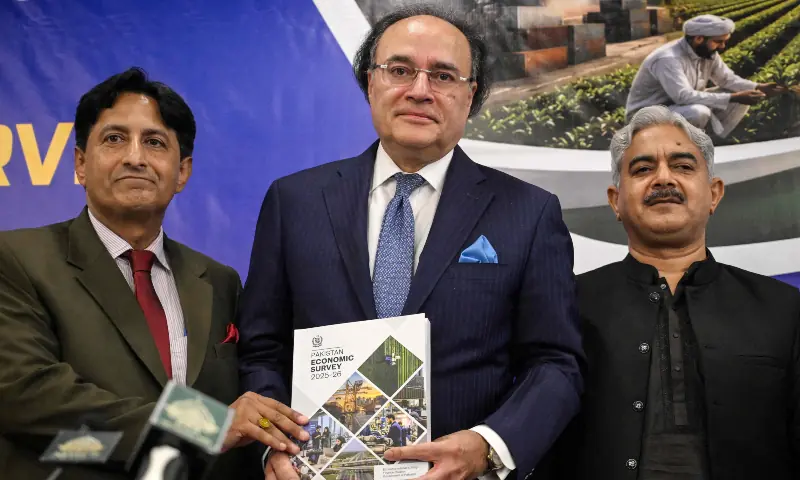
Pakistan's economy grew 3.7 percent in FY2026, its fastest rate in four years, according to the Pakistan Economic Survey presented by Finance Minister Muhammad Aurangzeb. Growth beat last year's 3.18 percent but missed the 4.2 percent target, with floods, regional conflict, and weaker food exports cited as key drags.
The Union government released an additional Rs 1,09,019 crore in tax devolution to states on August 1, 2026, separate from the regular monthly transfer. The lump-sum release aims to accelerate state capital spending in the July-September quarter, with Uttar Pradesh, Bihar, and Madhya Pradesh among the top recipients.
US mortgage rates have risen to a one-year high as markets weigh Federal Reserve rate uncertainty and Middle East conflict-driven inflation fears. Higher rates increase monthly payments for new buyers and are likely to further suppress housing market activity and refinancing.
Pakistan's Sensitive Price Index rose 13.52 percent year on year for the week ending July 2, 2026, marking 45 consecutive weeks of annual gains. Electricity up 49 percent, wheat flour up 68 percent, and LPG up 44 percent year on year are the main drivers.