India to Restore UPI Merchant Fees, PhonePe Gains Most
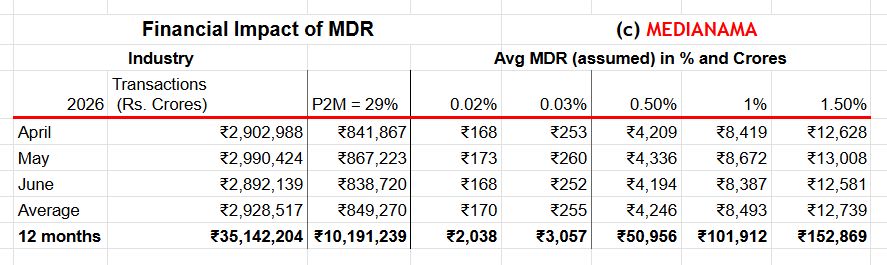
India's government plans to amend the Payment and Settlement Systems Act to restore UPI merchant discount rates, ending the zero-MDR regime in place since January 2020.
Key Takeaways
May 1, 2026 · 2 min read · By Rishabh Bhardwaj
·
AI-assisted, human-reviewed · Our editorial standards
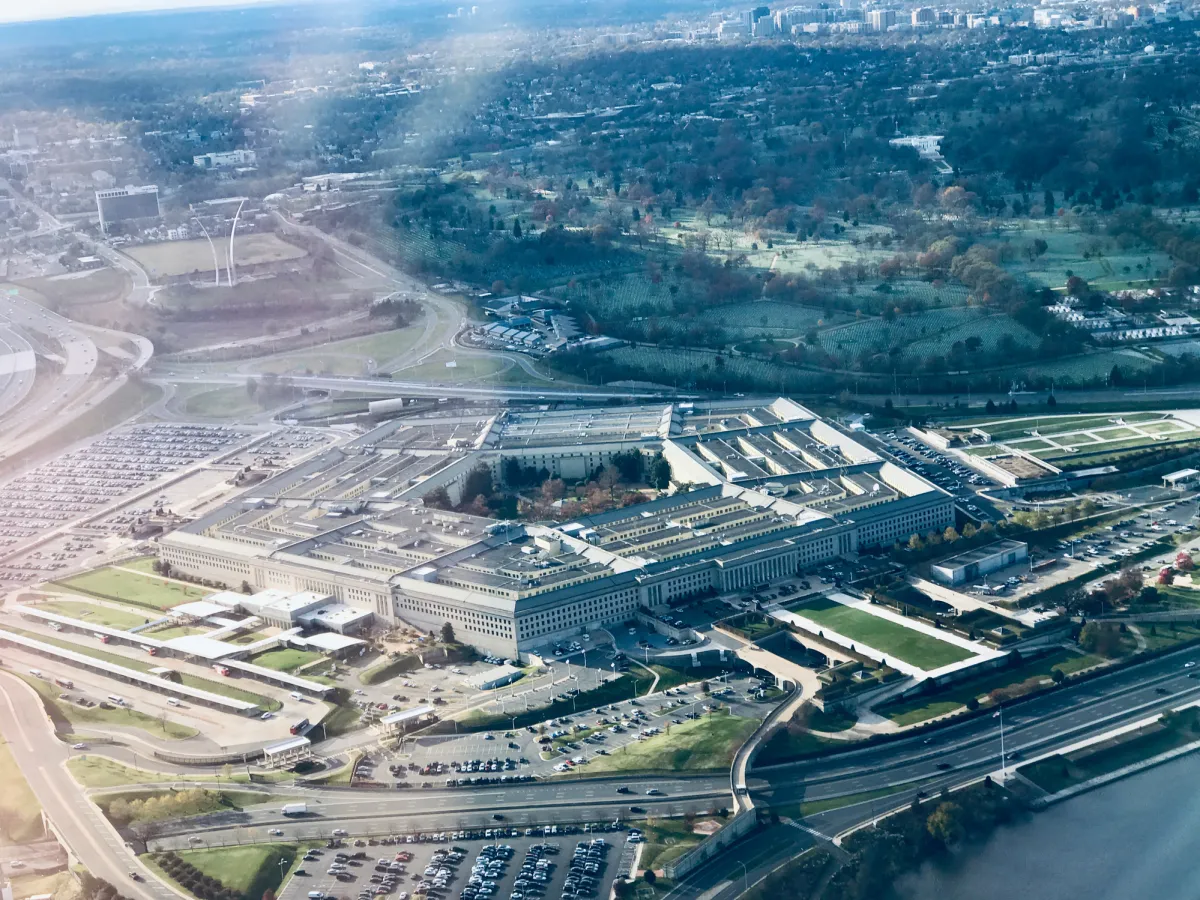
The Pentagon has signed new contracts with Nvidia, Microsoft, and Amazon Web Services to deploy artificial intelligence tools directly on classified military networks. The deals mark a significant expansion of commercial AI into the most sensitive layers of U.S. defense infrastructure.
The timing follows a public dispute between the Department of Defense and Anthropic over the usage terms attached to Anthropic's AI models. That disagreement prompted the DoD to deliberately spread its AI bets across multiple vendors rather than rely heavily on any single provider. The new contracts with Nvidia, Microsoft, and AWS are a direct result of that strategic shift.
Each of the three companies brings a different piece to the puzzle. Nvidia supplies the chips and accelerated computing hardware that power AI workloads. Microsoft and AWS provide the cloud infrastructure and software platforms needed to run AI applications at scale, including in classified, air-gapped environments where data cannot touch the public internet.
Running AI on classified networks is technically and contractually far more complex than standard commercial cloud deals. It requires security clearances, specialized data handling protocols, and infrastructure physically separated from civilian systems. Winning these contracts signals that all three companies have met, or are meeting, those stringent requirements, a meaningful competitive credential in the defense technology market.
For Microsoft and AWS, this builds on existing classified cloud work. Both companies already hold classified cloud contracts with U.S. intelligence agencies. Nvidia's inclusion points to growing demand for dedicated AI accelerator hardware inside secure government facilities, not just cloud-based compute accessed remotely.
The broader pattern here is the DoD treating AI infrastructure the way it treats weapons procurement: diversify suppliers, avoid single points of failure, and maintain leverage in contract negotiations. The Anthropic dispute appears to have accelerated that logic into formal policy.
Watch for how other AI model providers respond. Companies that attach restrictive usage terms to their models may find themselves at a disadvantage as the Pentagon builds out a multi-vendor architecture designed to give it maximum operational flexibility.
India's government plans to amend the Payment and Settlement Systems Act to restore UPI merchant discount rates, ending the zero-MDR regime in place since January 2020.
India's government has introduced the Taxation and Other Laws (Amendment) Bill, 2026, proposing changes to payments regulation, income tax, and the Finance Act to attract FDI and support Make in India. The Bill's final shape will depend on parliamentary debate and committee review.
The government's Taxation and Other Laws (Amendment) Bill, 2026, proposes to replace the blanket UPI MDR ban with a system allowing the Centre to notify which payment modes stay fee-free.
Prime Minister Narendra Modi inaugurated the Rs 5,000 crore Bhogapuram greenfield airport in Andhra Pradesh, built under a public-private partnership model. He also laid foundation stones for infrastructure projects worth nearly Rs 18,000 crore in the state, signalling a broad investment push for the region.