A Parliamentary Standing Committee has recommended offering MBBS doctors competitive pay, incentives, additional marks, or NEET PG exam reservation in exchange for serving in rural and remote areas. The proposal, contained in the panel's formal report, targets a persistent structural problem: the concentration of qualified doctors in urban centers and the consequent shortage in underserved regions. The committee also called for scaling up multi-skilling programmes and continuous professional development tracks specifically designed to improve career prospects for doctors posted in difficult postings. The mechanism is straightforward, by linking NEET PG admission advantages directly to rural service, the policy would create a tangible professional incentive rather than relying on appeals or mandatory posting alone. Whether the recommendations are adopted by the government and translated into policy changes to NEET PG eligibility criteria is the key variable to watch, as implementation authority rests with the central health ministry and the National Medical Commission.
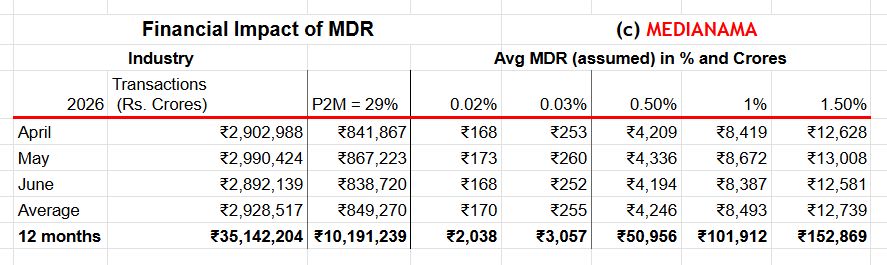
India's government plans to amend the Payment and Settlement Systems Act to restore UPI merchant discount rates, ending the zero-MDR regime in place since January 2020.
India's government has introduced the Taxation and Other Laws (Amendment) Bill, 2026, proposing changes to payments regulation, income tax, and the Finance Act to attract FDI and support Make in India. The Bill's final shape will depend on parliamentary debate and committee review.
The government's Taxation and Other Laws (Amendment) Bill, 2026, proposes to replace the blanket UPI MDR ban with a system allowing the Centre to notify which payment modes stay fee-free.
Prime Minister Narendra Modi inaugurated the Rs 5,000 crore Bhogapuram greenfield airport in Andhra Pradesh, built under a public-private partnership model. He also laid foundation stones for infrastructure projects worth nearly Rs 18,000 crore in the state, signalling a broad investment push for the region.