Pakistan is actively exploring financing options to stabilise its foreign exchange reserves, signalling continued pressure on the country's external balance sheet despite recent IMF program engagement. The government is in discussions with multiple bilateral and multilateral creditors as it works to build a more durable reserve buffer, according to reporting by Dawn. Reserve adequacy remains a central concern for Karachi-based currency markets and sovereign credit assessors tracking Pakistan's debt servicing capacity. The country has historically relied on short-cycle rollovers from Gulf bilateral partners, particularly Saudi Arabia, the UAE, and China, to shore up reserves during periods of current account stress. The current push suggests those arrangements alone are insufficient to meet near-term liquidity targets set under the IMF framework. A more diversified creditor mix or fresh disbursements could reduce rollover risk and ease pressure on the Pakistani rupee. Analysts and investors will be watching whether any new facility carries conditionality that aligns with or complicates the existing IMF program parameters.
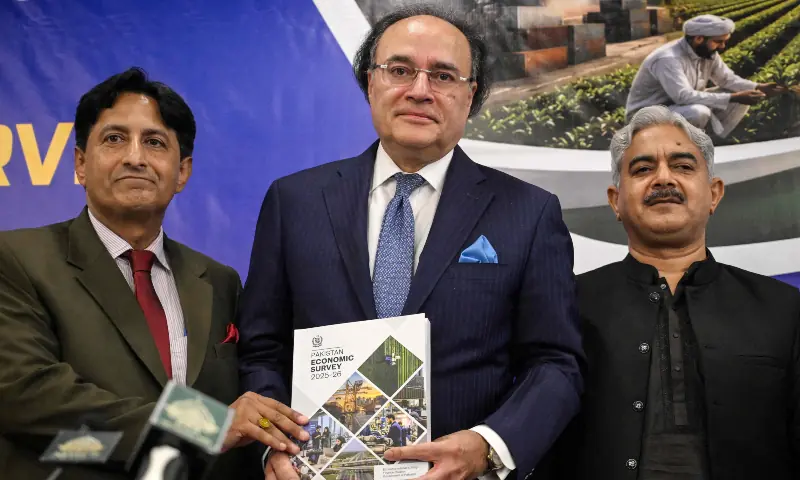
Pakistan's economy grew 3.7 percent in FY2026, its fastest rate in four years, according to the Pakistan Economic Survey presented by Finance Minister Muhammad Aurangzeb. Growth beat last year's 3.18 percent but missed the 4.2 percent target, with floods, regional conflict, and weaker food exports cited as key drags.
The Union government released an additional Rs 1,09,019 crore in tax devolution to states on August 1, 2026, separate from the regular monthly transfer. The lump-sum release aims to accelerate state capital spending in the July-September quarter, with Uttar Pradesh, Bihar, and Madhya Pradesh among the top recipients.
US mortgage rates have risen to a one-year high as markets weigh Federal Reserve rate uncertainty and Middle East conflict-driven inflation fears. Higher rates increase monthly payments for new buyers and are likely to further suppress housing market activity and refinancing.
Pakistan's Sensitive Price Index rose 13.52 percent year on year for the week ending July 2, 2026, marking 45 consecutive weeks of annual gains. Electricity up 49 percent, wheat flour up 68 percent, and LPG up 44 percent year on year are the main drivers.