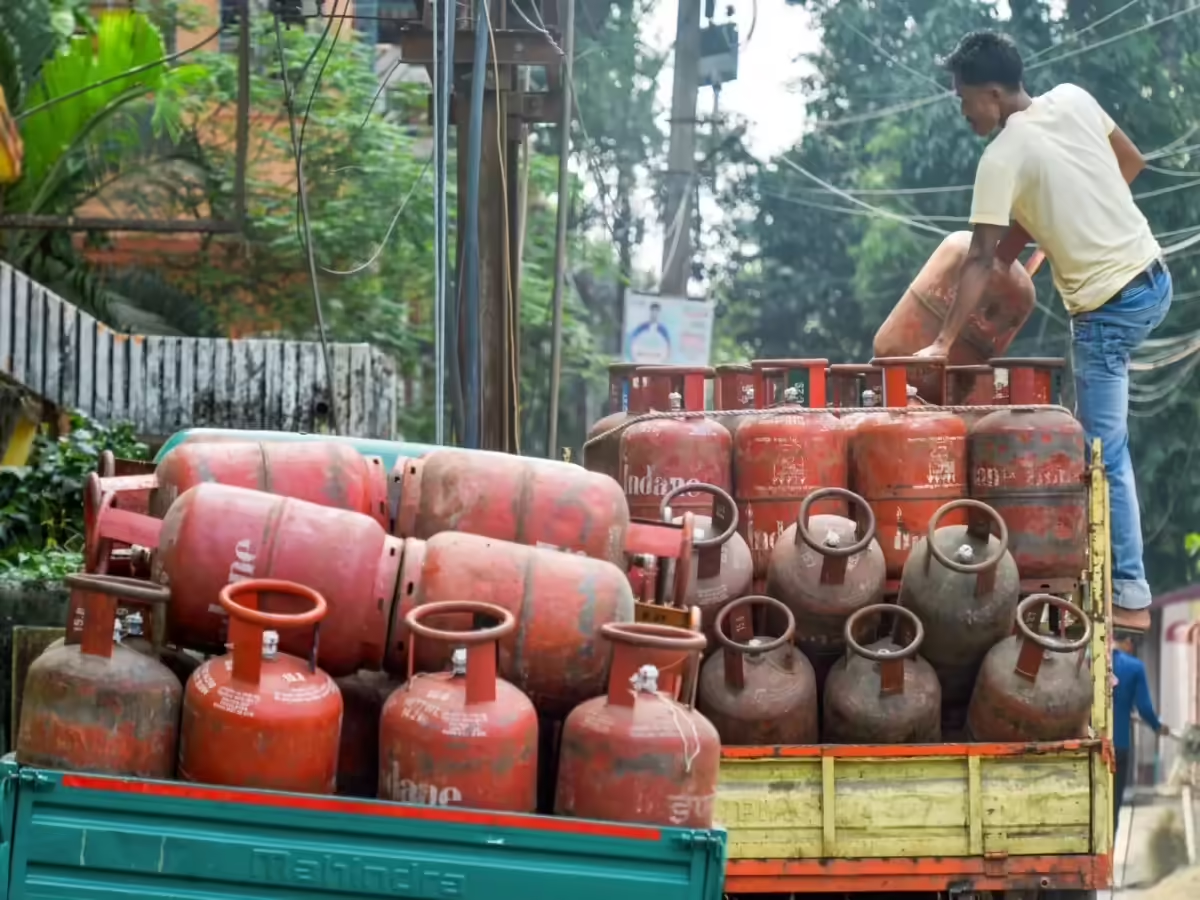
Commercial LPG cylinder prices in India have risen by Rs 933, a sharp jump that hits small food businesses hard. Unlike households, which the government has shielded from recent LPG price increases, commercial users pay market-linked rates with no subsidy buffer. Small eateries, street food vendors, and canteen operators, who depend heavily on commercial cylinders, are now absorbing a much higher fuel cost with little room to maneuver. Their options are limited: raise meal prices, cut portion sizes, or squeeze margins that were already thin. The mechanism here is straightforward. Commercial LPG is priced without government support, so any increase in supply or import costs passes directly to the buyer. Households don't see the same bill, but they may feel it indirectly when the cost of eating out or buying ready meals rises. Watch for how quickly small food operators pass this cost to consumers, and whether it adds visible pressure to food inflation numbers in the coming weeks.
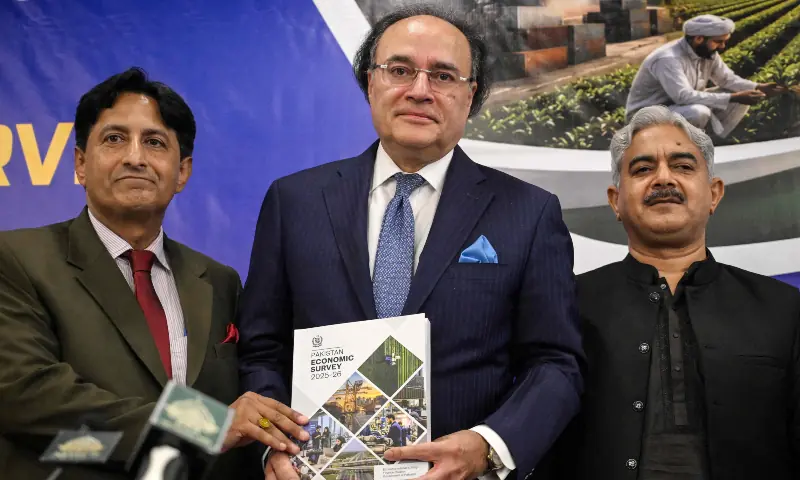
Pakistan's economy grew 3.7 percent in FY2026, its fastest rate in four years, according to the Pakistan Economic Survey presented by Finance Minister Muhammad Aurangzeb. Growth beat last year's 3.18 percent but missed the 4.2 percent target, with floods, regional conflict, and weaker food exports cited as key drags.
The Union government released an additional Rs 1,09,019 crore in tax devolution to states on August 1, 2026, separate from the regular monthly transfer. The lump-sum release aims to accelerate state capital spending in the July-September quarter, with Uttar Pradesh, Bihar, and Madhya Pradesh among the top recipients.
US mortgage rates have risen to a one-year high as markets weigh Federal Reserve rate uncertainty and Middle East conflict-driven inflation fears. Higher rates increase monthly payments for new buyers and are likely to further suppress housing market activity and refinancing.
Pakistan's Sensitive Price Index rose 13.52 percent year on year for the week ending July 2, 2026, marking 45 consecutive weeks of annual gains. Electricity up 49 percent, wheat flour up 68 percent, and LPG up 44 percent year on year are the main drivers.