
Qatar Signals Progress in US-Iran War Talks
Qatar's foreign ministry said mediators including Qatar, Pakistan, and Oman have reached "very progressive stages" in efforts to end the US-Iran war, pushing Brent crude down more than four percent.
Key Takeaways
May 9, 2026 · 2 min read · By Rishabh Bhardwaj
·
AI-assisted, human-reviewed · Our editorial standards
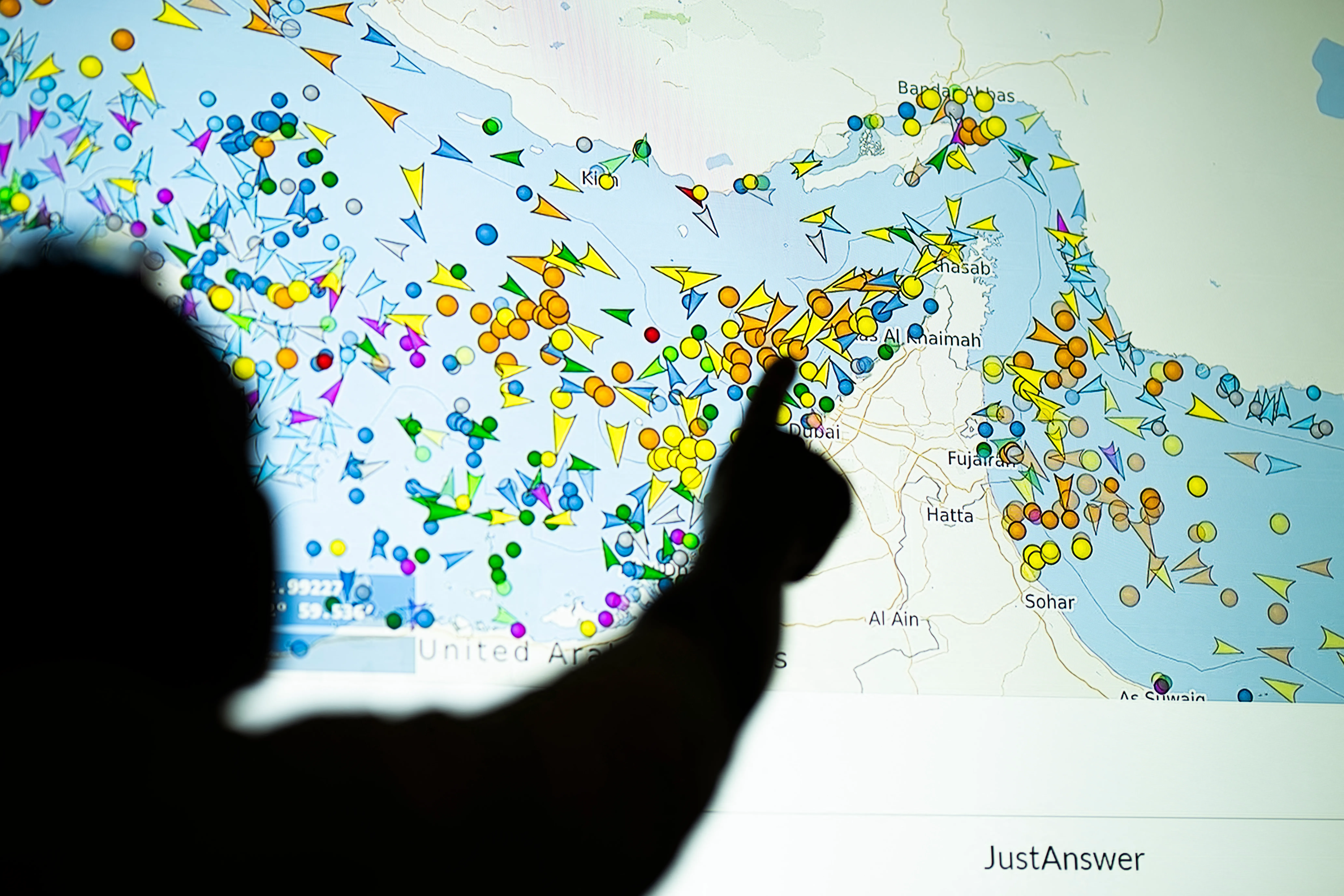
A senior Iranian politician has publicly compared the country's control over the Strait of Hormuz to the destructive power of an atomic bomb, describing it as "a capability that can affect the entire global economy with a single decision." The statement came as Iran and the United States are engaged in diplomatic talks, signalling that Tehran is willing to use its geographic leverage as a bargaining chip.
The Strait of Hormuz is a narrow waterway between Iran and Oman, roughly 33 kilometres wide at its narrowest point. Around 20 percent of the world's traded oil passes through it daily, making it the single most important chokepoint in global energy supply. Any disruption there, whether through naval blockade, mining, or military action, would immediately tighten oil supply worldwide and push prices sharply higher.
Iran does not need to physically close the strait to move markets. The mere credible threat of disruption is enough to lift oil prices, raise shipping insurance costs, and push tanker operators to seek longer alternative routes around Africa. That adds time and cost to every barrel. For Asia, where Japan, South Korea, India, and China collectively import the bulk of Gulf oil, the exposure is direct and significant.
The timing of the statement is deliberate. US-Iran nuclear negotiations carry high stakes on both sides. Washington wants limits on Iran's uranium enrichment program; Tehran wants sanctions relief. By invoking Hormuz publicly, Iran is reminding the US and its partners that a breakdown in talks carries a concrete economic cost, not just a geopolitical one.
The practical risk of an actual closure remains low for now, Iran itself exports oil through the strait and would suffer economically from shutting it. But the rhetorical escalation raises the floor on risk premiums in oil markets. Traders, insurers, and energy-importing governments will be watching the pace and tone of US-Iran talks closely. Any sign of a collapse in negotiations would likely trigger an immediate response in crude prices and regional shipping rates.
India is particularly exposed. It imports a substantial share of its oil from Gulf producers, and any sustained Hormuz disruption would feed directly into domestic fuel costs and the current account deficit. For Indian markets, this is a story worth tracking beyond the headline.
Qatar's foreign ministry said mediators including Qatar, Pakistan, and Oman have reached "very progressive stages" in efforts to end the US-Iran war, pushing Brent crude down more than four percent.
Qatar confirmed it is mediating between the US and Iran but said no direct talks are currently planned. The clarification follows conflicting statements from President Trump, who claimed talks are under way, and Tehran, which denied any dialogue is happening.
Saudi Aramco reported sharply higher second-quarter 2026 profits as the Iran war restricts global oil supply and pushes crude prices up. Other oil supermajors also posted outsized earnings, raising concerns about sustained fuel cost pressure for importing economies.
President Trump called current Iran negotiations the "last chance" to end five months of conflict, pushing oil prices higher. Tehran denied formal talks are taking place, raising the risk of a diplomatic breakdown with direct consequences for global energy markets.