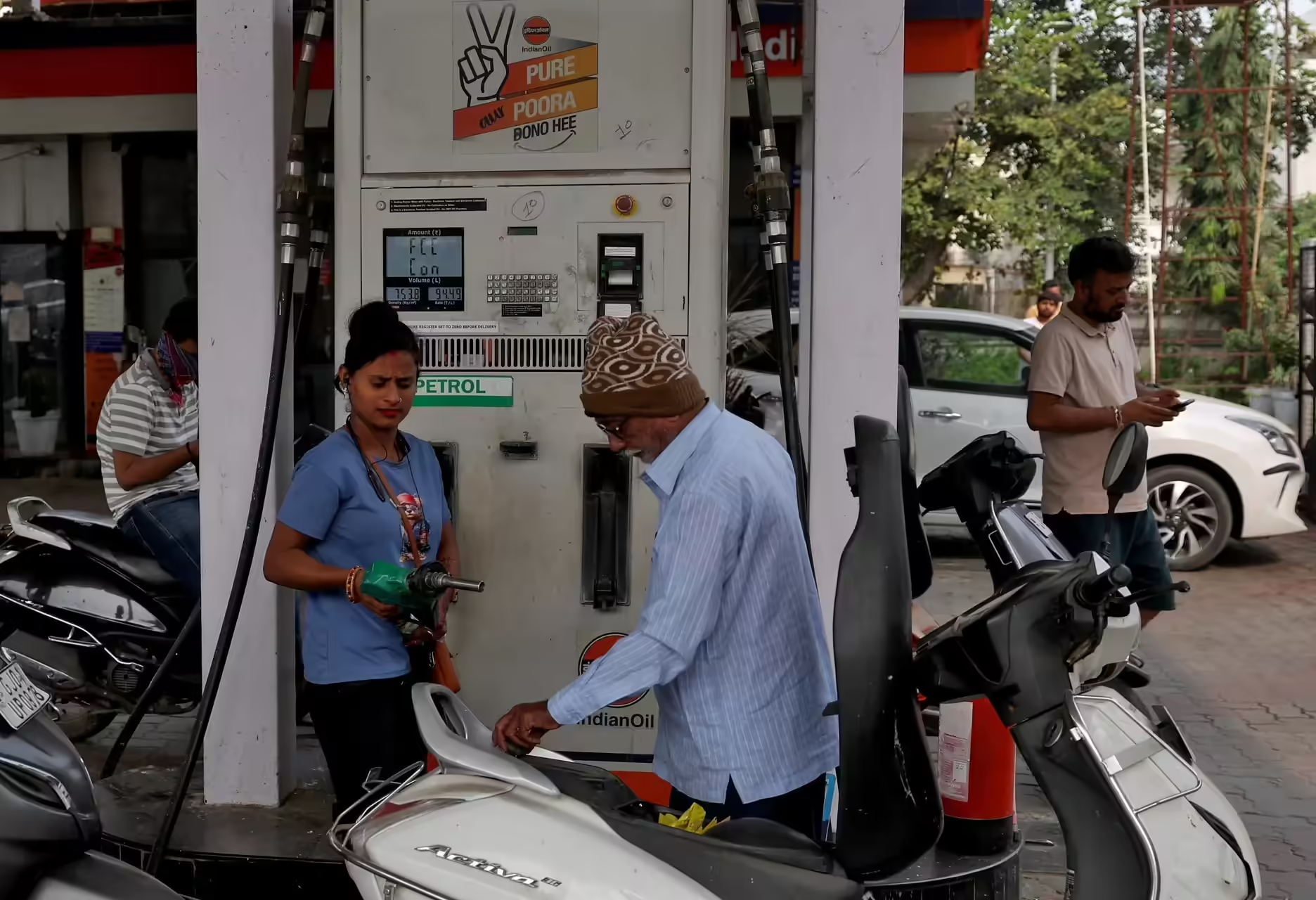
State-owned oil marketing companies (OMCs) are pressing the government to raise prices of LPG, petrol, diesel, and aviation turbine fuel (ATF) as mounting losses from elevated crude oil prices become harder to absorb. The companies have been selling these fuels below cost, a gap that widens each time crude rises on global markets. With general elections now concluded, the political constraint that typically freezes fuel price decisions has lifted. During election cycles, governments routinely avoid retail price hikes to limit voter backlash, leaving OMCs to absorb the difference. That buffer is now gone, and the companies are formally pushing for relief. The core problem is the margin squeeze: OMCs buy crude at market prices but sell refined products at government-influenced rates. When crude rises sharply and retail prices stay fixed, losses accumulate on every litre sold. A price hike decision now rests with the government. If approved, consumers would face higher costs at the pump and on cooking gas. Aviation operators could also see input costs rise, which typically flows through to airfare. The timing and scale of any revision remain unclear.
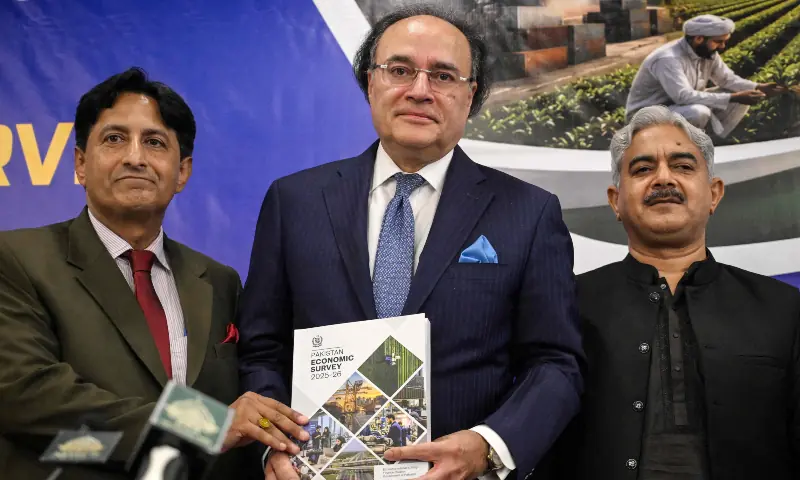
Pakistan's economy grew 3.7 percent in FY2026, its fastest rate in four years, according to the Pakistan Economic Survey presented by Finance Minister Muhammad Aurangzeb. Growth beat last year's 3.18 percent but missed the 4.2 percent target, with floods, regional conflict, and weaker food exports cited as key drags.
The Union government released an additional Rs 1,09,019 crore in tax devolution to states on August 1, 2026, separate from the regular monthly transfer. The lump-sum release aims to accelerate state capital spending in the July-September quarter, with Uttar Pradesh, Bihar, and Madhya Pradesh among the top recipients.
US mortgage rates have risen to a one-year high as markets weigh Federal Reserve rate uncertainty and Middle East conflict-driven inflation fears. Higher rates increase monthly payments for new buyers and are likely to further suppress housing market activity and refinancing.
Pakistan's Sensitive Price Index rose 13.52 percent year on year for the week ending July 2, 2026, marking 45 consecutive weeks of annual gains. Electricity up 49 percent, wheat flour up 68 percent, and LPG up 44 percent year on year are the main drivers.