
Qatar Signals Progress in US-Iran War Talks
Qatar's foreign ministry said mediators including Qatar, Pakistan, and Oman have reached "very progressive stages" in efforts to end the US-Iran war, pushing Brent crude down more than four percent.
Key Takeaways
July 12, 2026 · 4 min read · By Rishabh Bhardwaj
·
AI-assisted, human-reviewed · Our editorial standards
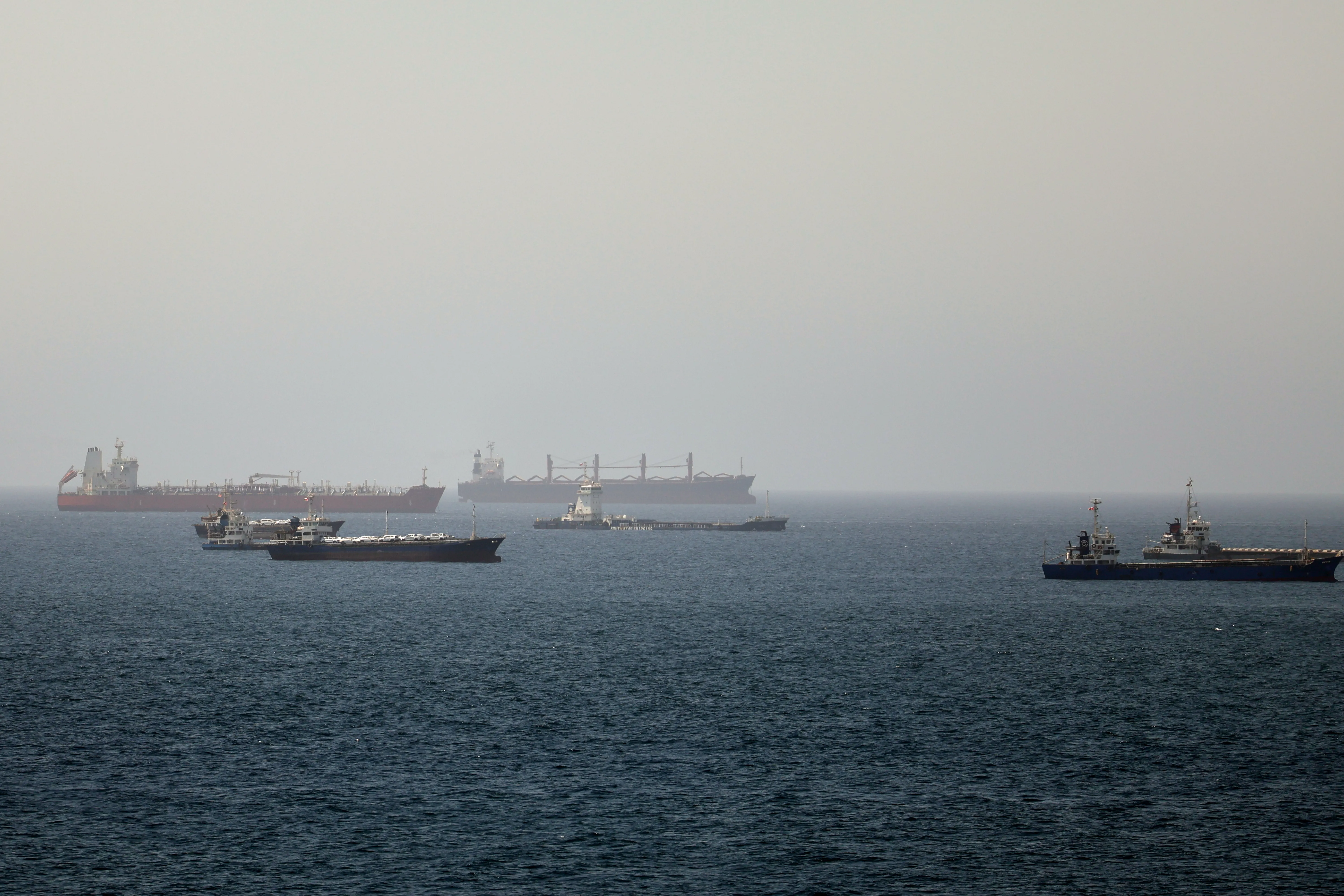
Oil prices jumped sharply on Saturday after the United States carried out strikes on Iran, pushing Brent crude above $76 a barrel for the first time in two weeks. The move reverses a slide that had briefly dragged prices back to pre-conflict levels, and reignites fears about supply disruptions through the Strait of Hormuz, the world's single most important oil shipping lane.
Brent crude had been drifting lower in recent sessions as markets priced in the possibility of a diplomatic resolution or at least a pause in hostilities. That assumption has now been upended. The US strikes represent a direct military escalation involving two of the most consequential actors in Middle East energy politics, and traders responded immediately by bidding prices higher.
The Strait of Hormuz sits between Iran and Oman at the mouth of the Persian Gulf. Roughly one-fifth of all the world's oil, and a large share of liquefied natural gas, passes through this narrow channel every day. Any credible threat to that passage, whether through Iranian retaliation, mining, or interference with tanker traffic, can push oil prices up fast. That threat is now very much back on the table.
Renewed violence in the strait, as reported following the US strikes, amplifies that risk further. Even if physical supply is not yet disrupted, the insurance and routing costs for tankers operating in the region typically rise sharply during periods of active conflict. Those costs feed through to the price of oil on global markets.
Iran has previously used the strait as leverage during periods of US-Iran tension, including threats to close the waterway entirely. Whether Tehran responds with direct military action, proxy operations, or economic counter-moves will shape how far and how fast oil prices move from here.
A sustained move above $76 a barrel for Brent would begin to put upward pressure on fuel prices in markets that import crude, including large parts of Asia and Europe. India, which sources a significant share of its crude from the Gulf region, is particularly exposed. A prolonged spike would widen India's import bill, put pressure on the rupee, and complicate the government's fiscal position heading into the second half of 2026.
For global equity markets, energy stocks typically benefit in the short term when oil prices spike, but broader indices can suffer if rising energy costs are seen as inflationary. Central banks that have been managing inflation carefully will be watching closely. Any fresh round of energy-driven price increases could delay or complicate rate cut decisions in several major economies.
Oil producers in the Gulf Cooperation Council, and non-OPEC producers such as the United States itself, stand to benefit financially from higher prices in the near term. However, a prolonged conflict scenario introduces enough uncertainty that capital investment decisions in the sector could slow, which would have a longer-term effect on supply capacity.
The price move also arrives at a sensitive moment for the global economy. Growth in several major economies has been fragile, and an energy price shock of sufficient size can tip the balance toward contraction. The difference between a short-lived spike and a sustained rally will depend heavily on whether the conflict escalates further or whether diplomatic channels remain open.
For now, traders are treating this as a serious escalation rather than a temporary flare-up. The speed and size of the Brent move, from multi-week lows back above $76 in a single session, reflects genuine concern rather than speculative positioning alone. Watch for any Iranian government statement, further military activity near the strait, or emergency diplomatic contact between major powers as the clearest near-term signals of where this goes next.
Qatar's foreign ministry said mediators including Qatar, Pakistan, and Oman have reached "very progressive stages" in efforts to end the US-Iran war, pushing Brent crude down more than four percent.
Qatar confirmed it is mediating between the US and Iran but said no direct talks are currently planned. The clarification follows conflicting statements from President Trump, who claimed talks are under way, and Tehran, which denied any dialogue is happening.
Saudi Aramco reported sharply higher second-quarter 2026 profits as the Iran war restricts global oil supply and pushes crude prices up. Other oil supermajors also posted outsized earnings, raising concerns about sustained fuel cost pressure for importing economies.
President Trump called current Iran negotiations the "last chance" to end five months of conflict, pushing oil prices higher. Tehran denied formal talks are taking place, raising the risk of a diplomatic breakdown with direct consequences for global energy markets.