
Qatar Signals Progress in US-Iran War Talks
Qatar's foreign ministry said mediators including Qatar, Pakistan, and Oman have reached "very progressive stages" in efforts to end the US-Iran war, pushing Brent crude down more than four percent.
Key Takeaways
May 8, 2026 · 2 min read · By Rishabh Bhardwaj
·
AI-assisted, human-reviewed · Our editorial standards
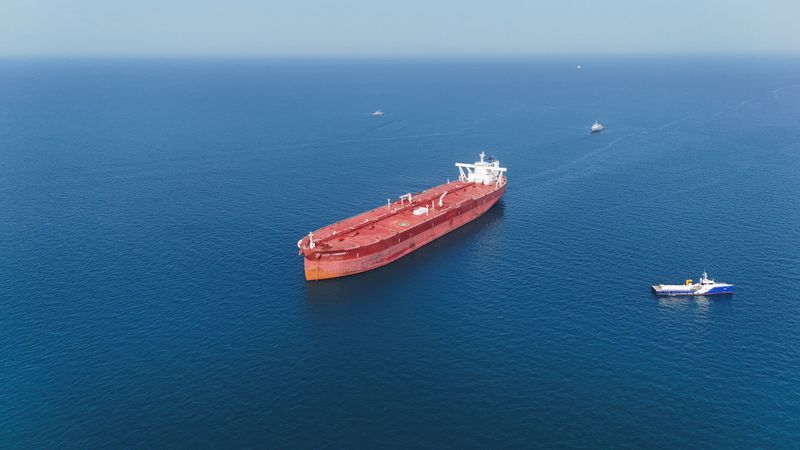
Oil prices fell after reports emerged that the United States and Iran are moving closer to a nuclear or diplomatic agreement, raising the prospect of Iranian oil returning to global markets in larger volumes.
Iran sits on some of the world's largest oil reserves and has been under heavy US sanctions that sharply limit how much crude it can export. Any easing of those sanctions, even partially, would allow Iran to sell more oil internationally, adding supply to a market that has already been navigating shifting output decisions by OPEC+ producers.
When supply expectations rise, oil prices typically fall. Traders moved quickly on the reports, pushing prices lower in anticipation of more Iranian barrels entering the market, even before any formal deal is confirmed or implemented.
A sustained drop in oil prices would ripple across several parts of the economy. Lower crude costs reduce input expenses for airlines, shipping companies, and manufacturers. Fuel prices at the pump could ease for consumers, though the timing and scale depend heavily on refining margins and local taxes.
For oil-producing nations and energy companies, falling prices compress revenues and can pressure capital spending plans. Sectors tied to oil exploration and production would be among the first to feel margin pressure if prices slide significantly.
India, which imports roughly 85 percent of its crude needs, would benefit directly from cheaper oil. Lower import costs reduce the country's trade deficit, ease pressure on the rupee, and give the central bank more room to manage inflation.
The key uncertainty is whether a deal is actually close and what it would cover. Diplomatic reports often precede extended negotiations, and markets have reacted to Iran-related headlines before without a final agreement materializing. The depth and durability of this price move will depend on whether concrete terms emerge and how quickly any sanctions relief would take effect.
Qatar's foreign ministry said mediators including Qatar, Pakistan, and Oman have reached "very progressive stages" in efforts to end the US-Iran war, pushing Brent crude down more than four percent.
Qatar confirmed it is mediating between the US and Iran but said no direct talks are currently planned. The clarification follows conflicting statements from President Trump, who claimed talks are under way, and Tehran, which denied any dialogue is happening.
Saudi Aramco reported sharply higher second-quarter 2026 profits as the Iran war restricts global oil supply and pushes crude prices up. Other oil supermajors also posted outsized earnings, raising concerns about sustained fuel cost pressure for importing economies.
President Trump called current Iran negotiations the "last chance" to end five months of conflict, pushing oil prices higher. Tehran denied formal talks are taking place, raising the risk of a diplomatic breakdown with direct consequences for global energy markets.